
Last updated November 21, 2026
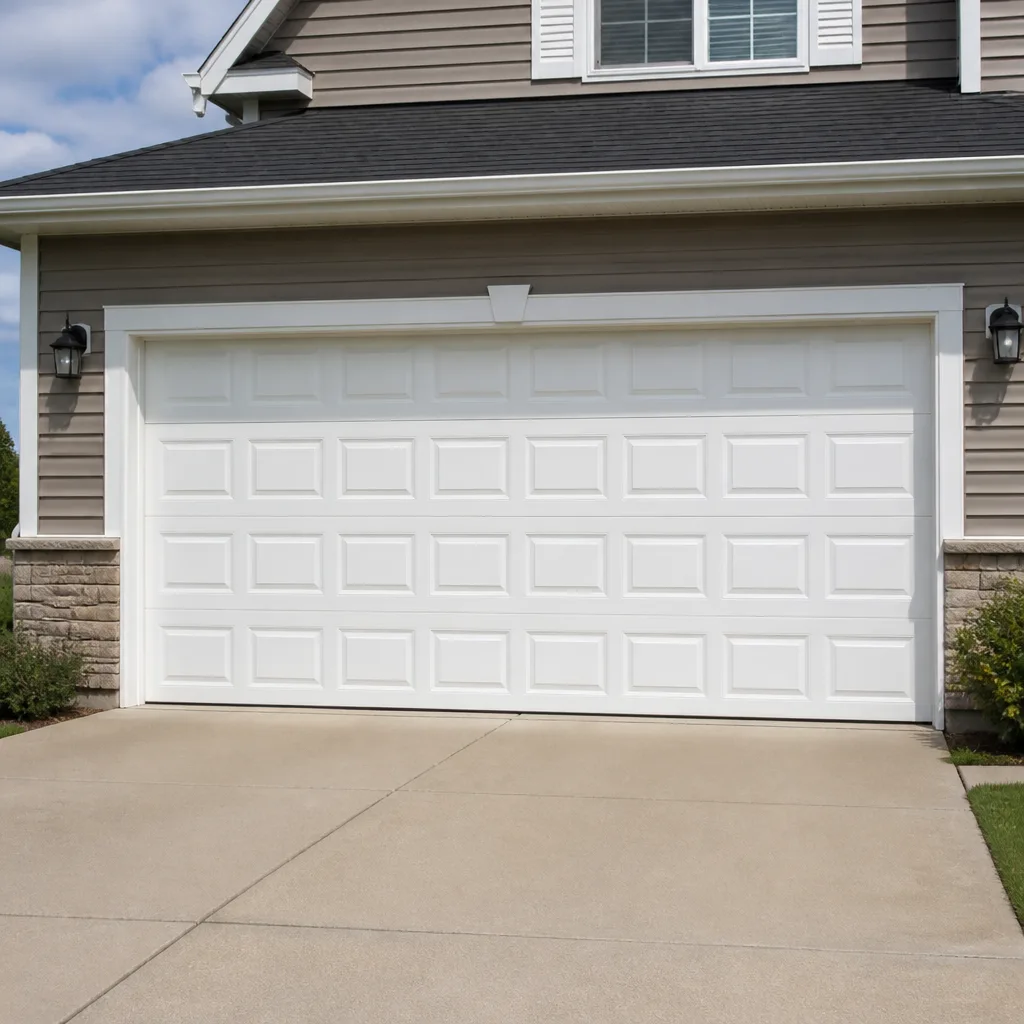 Raised-panel steel
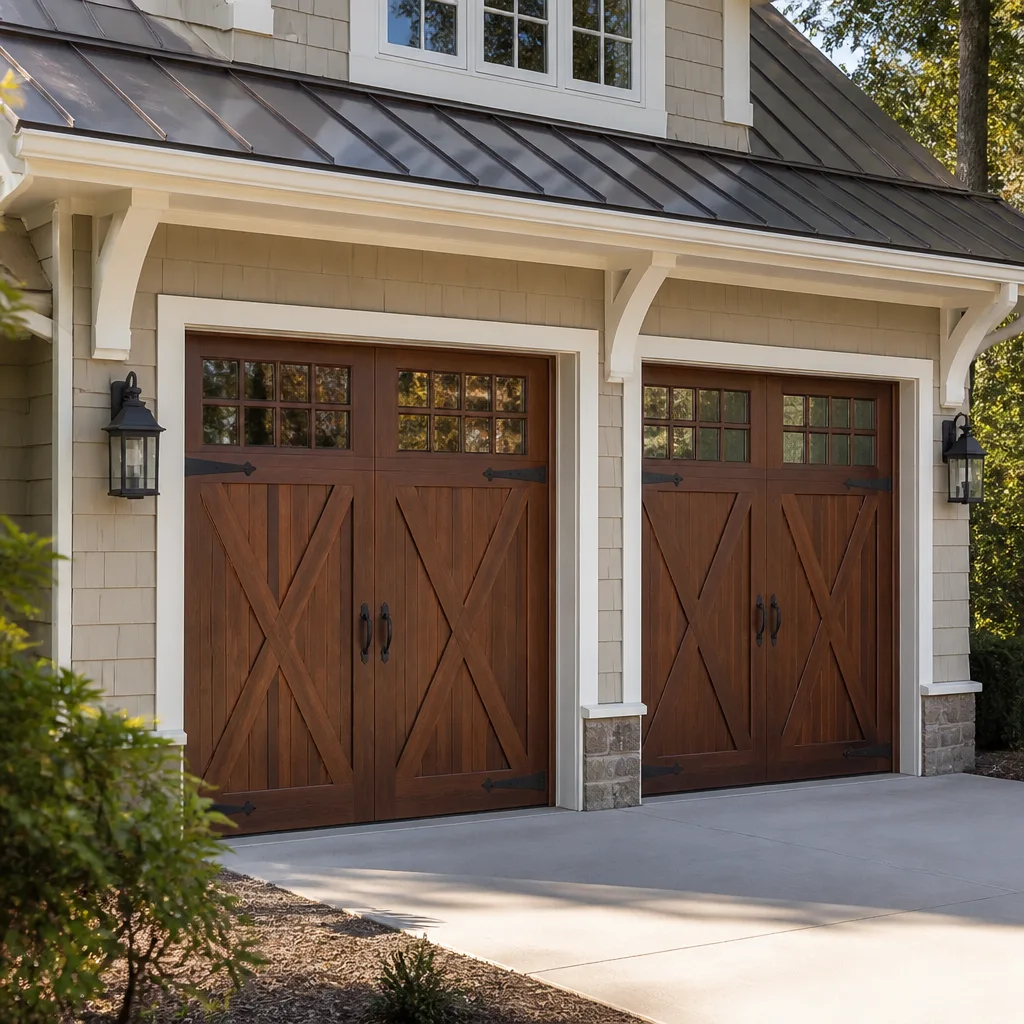 Carriage house
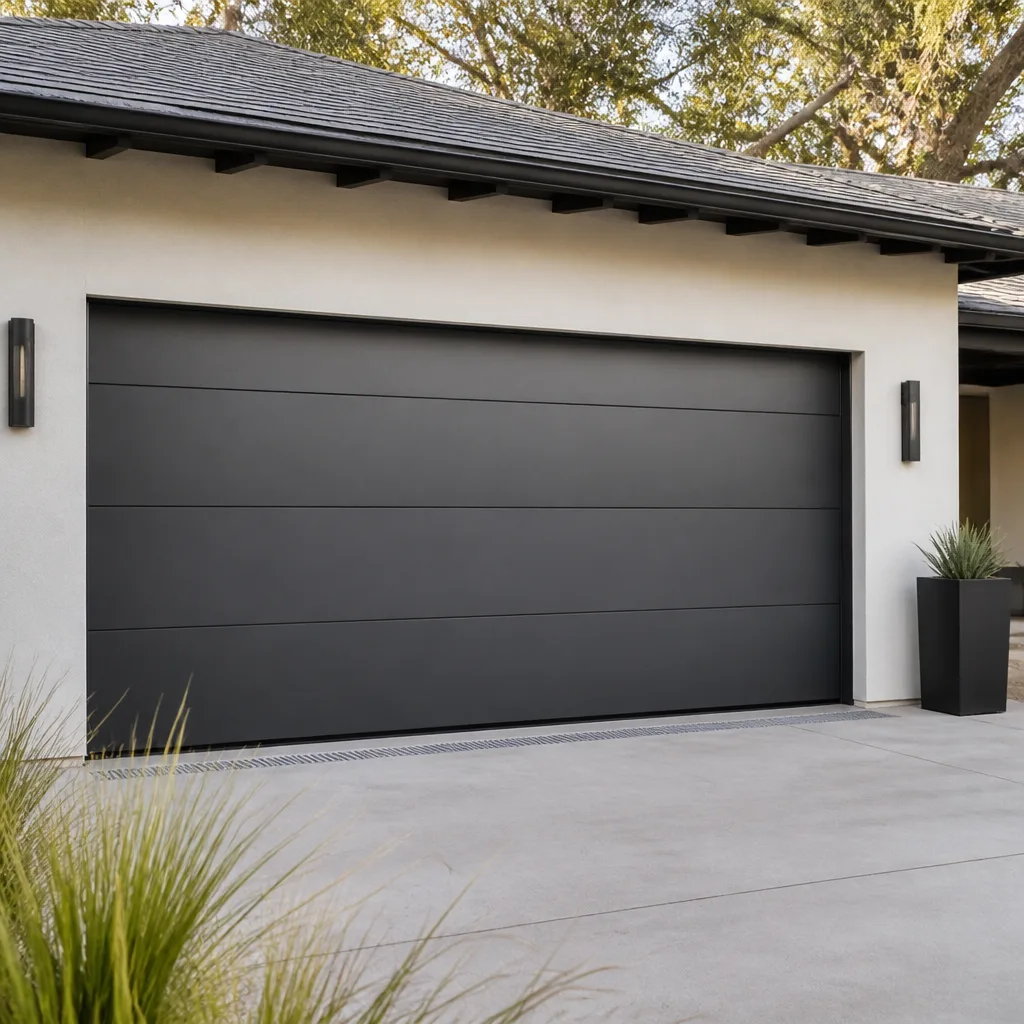 Modern flush
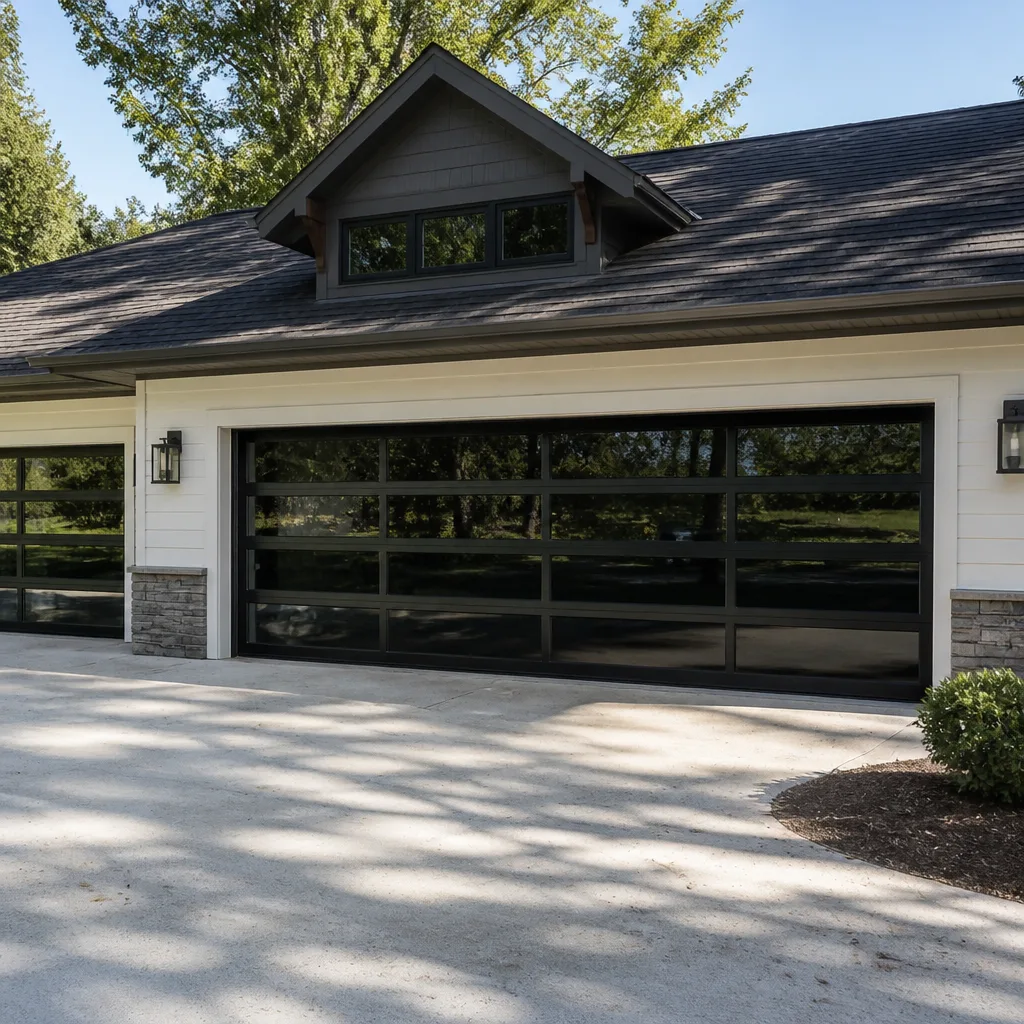 Full-view glass
 LiftMaster openers
 Chamberlain openers
Full 25-point door and opener safety check with every visit - springs, cables, rollers, tracks, and your LiftMaster or Chamberlain opener included
You get a price before we start. It does not change when the pro arrives.
Get your free estimateGarage Door Repair Maintenance Checklist for Borough Park Homeowners
Most garage door advice tells you to lubricate everything twice a year and call it done. That advice misses the one part that matters most: the torsion spring coils, which almost nobody lubricates, and which are the difference between a door that coasts quietly for years and a snapped spring that leaves your car trapped. In Borough Park, the stakes are a little higher than in a generic suburb. The housing stock is older, the framing is wood, the winters are cold and wet, and many garages get opened and closed several times a day. A checklist timed to those stressors works. A checklist copied from a national website doesn’t. Here’s what we recommend, month by month, and where the line sits between what you can safely do and what belongs to a trained technician.
Quick Answer
A garage door maintenance checklist for Borough Park homeowners should cover four things: monthly lubrication of the torsion spring coils, hinges, and rollers with a garage-door-specific lubricant; a 60-second balance test to catch springs losing tension before they snap; a visual inspection of tracks, cables, and weatherstripping for rust and wear common to older wood-framed garages; and an annual professional tune-up. Lubrication, visual checks, and balance testing are safe for homeowners. Anything involving spring tension, cable replacement, or track realignment is a specialist job.
Styles & brands we work with
- Raised-panel steel
- Carriage house
- Modern flush
- Full-view glass
- LiftMaster openers
- Chamberlain openers
Table of Contents
- The Borough Park Month-by-Month Maintenance Calendar
- Which Lubricant to Use (and What Silently Damages Your Door)
- The 60-Second Balance Test That Reveals Failing Springs
- Visual Inspection Points for Older Borough Park Garages
- What You Can Safely Do vs. What Needs a Specialist
- Opener Care for LiftMaster, Chamberlain, Genie, and Craftsman Systems
- How Borough Park’s Climate Stresses a Door Differently
- Common Mistakes to Avoid
The Borough Park Month-by-Month Maintenance Calendar
A generic checklist says “spring and fall.” Borough Park doesn’t have a generic climate, and a garage door here faces specific stressors in specific months. This calendar is what we actually recommend to homeowners we work with, and it’s mapped to what’s happening to the door and the building around it.
January and February: Cold snaps put the most strain on spring tension and on any wood framing that has absorbed moisture. This is the month to listen for a door that sounds labored, slows near the top of travel, or makes a sharp crack when it opens. Lubricate hinges and rollers, check that the bottom seal isn’t frozen to the slab.
March and April: The thaw is when you find out what winter did. Run the balance test (below) and do a full visual pass on the tracks, cables, and weatherstripping. Corrosion that started in January shows up now.
May and June: Prep for humid summer. Confirm weatherstripping is sealing, look at the bottom seal for hardening, and clear debris from the track channels. This is also the season to inspect hinges for the first signs of rust.
July and August: Humidity loosens things. Check the opener’s force and travel settings if the door feels sluggish. Lubricate hinges and rollers again. If your garage is attached and gets hot, the door panel material (steel, wood, or composite) expands and contracts, and you may notice new vibration.
September and October: Reset for winter. Balance test again, lubricate springs, hinges, rollers, and inspect the seal between the door and the frame. A door that’s ready in October costs less to run through January.
November and December: Last check before the cold. Listen for new sounds, inspect tracks for debris, make sure the safety reverse works. Book a professional tune-up if you haven’t had one in the last year.
The pattern is deliberate: lubrication, balance testing, and visual inspection happen before each stress season, not after. When a door fails in Borough Park, it’s usually in the first real cold snap or the first long humid stretch, and by then you’re already paying for a repair rather than a tune-up. If you’d rather have that 45-minute inspection handled by someone who does it every day, our Garage Door Repair Borough Park team covers the full checklist in a single visit.
Which Lubricant to Use (and What Silently Damages Your Door)
This is where most checklists skip the detail that matters. The single most skipped maintenance task is lubricating the torsion spring coils, and it’s also the one that most directly prevents the repair bill Borough Park homeowners dread most. But the wrong lubricant on the wrong component is worse than no lubricant, because you can’t see the damage until the part fails.
What to use:
- Torsion spring coils: a garage-door-specific spray lubricant, ideally a lithium grease or a purpose-made spring lubricant. Apply a light coat along the coils with the door fully closed. The goal is to slow corrosion and reduce friction where the coil flexes, not to soak the spring. This single step is the highest-value five minutes in the entire checklist.
- Hinges: the same lubricant, at the pivot points only. Open and close the door a few times afterward so it works in.
- Rollers: a light application on the roller stem, not on the tread surface. Nylon rollers need very little; steel rollers benefit most from regular lube.
- Tracks (the metal rails the rollers ride in): do not grease these. Wipe them clean with a dry or slightly damp cloth and leave them dry. Grease in a track collects grit, and grit wears rollers fast.
What not to use:
- WD-40 (the standard blue-and-yellow can): it’s a solvent and water displacer, not a long-term lubricant. It strips existing grease and then evaporates, leaving hinges and springs drier than before. It’s fine for breaking a rusted bolt loose, not for maintaining your door.
- Cooking spray, olive oil, or three-in-one oil: too thin, they attract dust and gum up within weeks, and they don’t protect against corrosion.
- Heavy axle grease or motor oil: too thick for spring coils and roller stems; it turns into a paste that traps grit and makes the door stiff.
- Silicone spray on springs: okay in a pinch on tracks, poor on springs because it doesn’t protect against corrosion on the coil.
The rule of thumb: if a product is marketed to loosen stuck nuts, it’s not the product for your door. Pick one garage-door-specific lubricant and use it consistently. The two or three minutes you spend coating the spring coils in Borough Park’s older garages is the difference between a spring that lasts and one that fatigues early. And on the subject of springs: do not, under any circumstances, put your hands anywhere near the coils or cables when the door is open or when you’re adjusting the spring assembly. That part of the job belongs to a trained technician, every time.
The 60-Second Balance Test That Reveals Failing Springs
Springs don’t announce themselves. They weaken slowly, and a door that’s 10% harder to lift than it should be feels normal because you’ve been lifting it that way for months. The balance test is a one-minute check with the door and the door only, and it tells you more about spring health than a visual inspection ever can. Do it once a month during the heavy-use seasons and immediately if the door feels different.
How to do the balance test:
- Close the garage door completely.
- Pull the emergency release cord (typically a red handle hanging from the opener rail) to disconnect the door from the opener. The door is now on its springs only.
- Lift the door by hand to about halfway (waist height) and stop. If it stays where you put it, the springs are balanced. If it drops or rises on its own, the spring tension is off.
- Lower it to the floor, reconnect the release (pull the cord again or cycle the opener once), and test the door normally.
What the results mean:
- Stays put, easy to lift halfway, easy to lower: springs are carrying the door’s weight correctly. Good.
- Rises on its own when you let go: springs are too strong or the door is lighter than they’re set for. Doesn’t happen on a stable door; a sign something was adjusted wrong.
- Drops when you let go, or is very heavy to lift: springs have lost tension or one has snapped. A door with a snapped spring will feel almost unmovable by hand. This is the moment to call, not to keep using the door. Continued use with a failed spring puts the full weight of the door onto the opener and cables, and can lead to cable failure or a door dropping.
- Twisted or crooked as it rises: likely one spring failing before the other in a two-spring setup. The door will bind or hesitate on one side.
If your balance test shows a problem, don’t try to adjust the springs yourself. Springs are under high tension, and releasing that tension incorrectly can cause serious injury. Call our team or a licensed local professional. Our technicians have up to 8 years of experience with spring repair specifically, and it’s one of the reasons we treat springs as a separate discipline from the rest of the door. If you’re unsure whether what you found is normal, a quick call to (888) 784-3292 will tell you whether it’s a maintenance item, a repair, or nothing to worry about. The estimate is free.
Visual Inspection Points for Older Borough Park Garages
Borough Park has a lot of older housing stock, and the garage doors on those buildings face conditions you don’t see in newer construction. Wood framing, brick openings, and decades-old hardware each create their own failure points. When you do your visual walkaround, look at these specific things, not just the door panel itself.
- The wood framing around the opening: older wood frames absorb moisture and can rot from the bottom up, especially where the door seal meets the frame. A soft spot means the door frame is failing, not just the door. It’s a common find in Borough Park garages that face interior courtyards or get less sun. If the wood is soft, the door may be pulling out of alignment, and the fix is more than a panel replacement.
- The tracks, especially the lower verticals: look for rust, pitting, or a change in color near the bottom where water splashes in. Rust that’s starting on the inside of the track will chew through rollers. Wipe clean and inspect the track surface for grooves.
- The weatherstripping and bottom seal: aging rubber hardens and cracks, and in a brick opening it can pull away where it meets irregular masonry. That gap lets in water, which speeds up rust on the tracks and hardware. Check it’s still flexible when you press it in.
- The hinges: look at each hinge plate for a crack at the screw holes or rust bleeding from the metal. Small hinge cracks are a warning sign for the panel above.
- The cables: these run along the vertical tracks and the bottom corners of the door. Any fraying, kinks, or a strand that’s come loose means a cable is failing. Do not touch a loose cable under tension. Call a professional.
- The door panel itself: look for dents, panel separation, and wood doors showing paint failure or water staining. Steel doors use check the bottom two panels where snow and splash sit longest.
Two of these – the wood framing and the brick-opening seal – are specifically a Borough Park issue. A door that closes fine in summer and gaps at the bottom in winter is telling you the frame and sweep are losing the battle. We see a lot of doors that get replaced because of a weatherstripping failure and a track problem, when both could have been caught on an annual visual inspection. Our garage door repair technicians look at all six of these points on a standard service call.
What You Can Safely Do vs. What Needs a Specialist
Homeowners ask us this question more than any other, and the answer is clear once you understand why the line sits where it does. The line is not about complexity. It’s about stored energy. Anything on a garage door involves either a spring, a cable under tension, or a heavy panel that can fall. The tasks that don’t touch those are yours to do. The ones that do belong to a trained technician.
Safe for homeowners:
- Lubricating hinges, rollers, and the torsion spring coils with a purpose-made garage-door lubricant.
- Wiping the tracks clean with a dry cloth. Never grease them.
- Running the 60-second balance test as described above.
- Visual inspection of tracks, hinges, weatherstripping, and panels.
- Testing the safety reverse: put a small, soft object (like a roll of paper towels) in the door’s path and confirm it reverses when it touches the object. If it doesn’t reverse, stop using the opener and call for service.
- Testing the photo-eye sensors: wave something in front of the sensors with the door halfway up and confirm it stops or reverses.
- Cleaning the door surface and touching up paint on steel doors.
- Checking the opener’s light bulbs and the manual release cord.
- Clearing debris from the tracks with your hands or a soft brush.
Requires a technician:
- Any adjustment to spring tension. This is the hard line. A torsion spring is under hundreds of pounds of tension when wound. Releasing that tension incorrectly can cause serious injury, including broken bones and lacerations. Never attempt it. Never “help” a spring that’s slipping. Call a professional.
- Cable replacement or adjustment. Cables carry the door’s weight and can whip free under load.
- Track realignment. Straightening a bent track requires releasing the door’s tension first.
- Replacing hinges on a loaded door. Some hinges can be swapped safely with the door down, but a trained eye is needed to tell.
- Opener force and travel adjustments on modern openers if the door itself is out of balance. The settings mask a mechanical problem and cause premature opener failure.
- Anything involving a door that’s off its track or stuck. Forcing it can drop the door.
If you’re ever unsure, call. The question “can I just tighten this?” is the one we’d rather answer by phone than in person. A local repair visit will always be less costly than a visit after something goes wrong. Call (888) 784-3292. We answer 24/7. Fast dispatch, 7am-7pm.
Opener Care for LiftMaster, Chamberlain, Genie, and Craftsman Systems
The opener is the part of your system that gets blamed for problems the door is actually causing. An opener that strains, hesitates, or sounds different is usually reacting to a door that’s out of balance, a roller that’s seized, or a track that’s misaligned. Get the door right, and the opener lasts. But there’s a short maintenance list for the opener itself, and knowing your brand helps.
Monthly opener checks:
- Test the safety reverse (object in the path) and the photo-eye sensors.
- Look at the wall control and remote. Both should respond with a single press. If a remote starts needing multiple presses, it’s usually the battery or interference, not a failed opener.
- Listen for abnormal sounds: grinding, clicking, or a whine at the same point in travel. Same-point sounds often point to a chain or belt adjustment, or a door track issue. Note where in the cycle it happens and mention it when you call.
Yearly opener checks:
- Check the opener’s force and travel settings per the manual. On a balanced door, the default settings work. On an out-of-balance door, someone may have increased force to compensate, which stresses the motor.
- Inspect the chain or belt for slack or fraying. Most openers have a tensioner that can be adjusted.
- Confirm the manual release works and pulls cleanly.
Brand matters because the settings, parts, and troubleshooting steps differ. A LiftMaster opener and a Genie have different travel limits, different sensor setups, and different wear points. Craftsman openers, which many older Borough Park garages still have, use a different rail and chain system than most modern units. We service LiftMaster, Chamberlain, Genie, Clopay, Amarr, Wayne Dalton, Craftsman, and Raynor, so your exact brand is handled correctly on the first visit. If you’re not sure of the model, a photo of the opener unit’s label is enough. For a full breakdown of what opener service involves, our garage door opener repair page covers the range.
How Borough Park’s Climate Stresses a Door Differently
The generic maintenance calendar assumes a mild climate. Borough Park doesn’t have one. The mix of cold, wet winters and humid summers stresses a garage door in ways a national checklist won’t flag, and older housing stock amplifies the effect.
Winter stress: cold contracts metal and stiffens rubber. Springs, cables, and hinges all see changing loads. The most common failures we get in the cold months are spring fatigue (a spring that was marginal in fall finally gives out) and a bottom seal that’s frozen to the slab, which loads the opener and can trip the safety reverse. Wood framing around older garages absorbs moisture and swells, and a door that closed fine in October may gap at the bottom by January. The seal and weatherstripping need checking before the first freeze, not after.
Summer stress: humidity loosens things. Wood framing stays damp longer, tracks and hinges rust subtly, and rubber seals soften and stretch. Doors on older Borough Park garages with a lot of wood framing in the assembly are more affected than modern steel units. Lubricating hinges and spring coils in June and July is more valuable here than in a dry climate, because the moisture drives the corrosion.
Year-round stress from use: Borough Park garages get used hard. Many households open and close the door several times a day, and in a busy household that’s 2,000 to 3,000 cycles a year. A garage door spring is rated in cycles, not years, and daily use burns through those cycles faster than the calendar suggests. A door that’s showing fatigue after four or five years of daily use is not unusual, and that’s why the balance test matters more here than in a suburb where the door runs twice a day.
What this adds up to: for Borough Park homeowners, spring lubrication and balance testing aren’t once-a-year tasks. They’re a habit. If you’re replacing a door rather than maintaining one, our garage door installation team works with Clopay, Amarr, and Wayne Dalton products, so the panel and hardware are matched to a Borough Park building, not to a catalog page.
Common Mistakes to Avoid
- Greasing the tracks. Almost every homeowner with a “noisy door” greases the tracks, which makes it worse. Grease traps grit, grit wears rollers, and the door gets louder and the rollers fail sooner. Wipe the tracks clean and dry only.
- Ignoring worn weatherstripping through the winter. A gapping bottom seal in Borough Park lets water and cold air in, which starts corrosion on the lowest hardware and stresses the opener. It’s a cheap part and a 30-minute fix, not something to put off until spring.
- Treating the balance test as an afterthought. Skipping it means you find out the springs were failing when the door stops halfway up or won’t open at all. The test takes a minute and it’s the single best way to catch spring fatigue before it becomes a repair.
- Using WD-40 as a door lubricant. It’s not. It removes existing grease and evaporates, leaving springs and hinges drier than before. Keep a purpose-made garage-door lubricant on the shelf and use only that.
- Increasing opener force to “fix” a heavy door. A door that’s hard to lift is telling you the springs are failing or the door is out of balance. Increasing the opener’s force setting masks the problem and shortens the opener’s life. Fix the door, not the force setting.
- Adjusting springs to “help” a door that’s dragging. Spring tension is not a homeowner adjustment. A misadjusted spring is a serious safety hazard and can fail without warning. If the balance test shows a problem, call a professional.
- Waiting for the annual tune-up until after a failure. A tune-up catches spring fatigue, worn hinges, and a seal failure before they compound. In Borough Park, with the number of cycles and the climate, booking the tune-up before winter and before summer pays for itself.
- Using a general handyman for a spring repair. Springs, cables, and opener force settings are specific systems. A garage door specialist knows your brand and the correct parts. A generalist is guessing, and with springs, guessing is dangerous.
If you want the whole checklist done properly, our team handles repair, spring replacement, opener service, and new doors from a single specialty. When the question is a garage door repair versus a replacement, we’ll give you an honest answer on the same visit, with the price agreed before any work starts.
See the difference
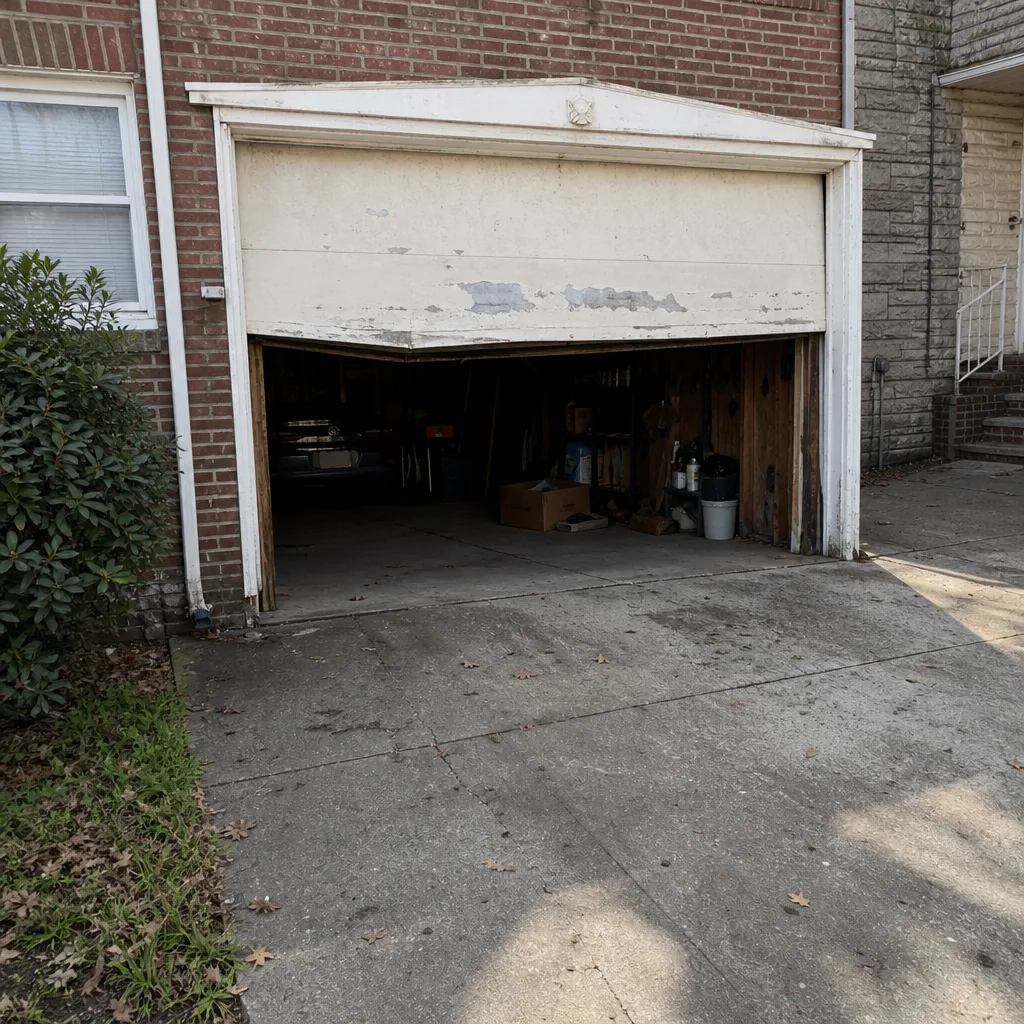 Before
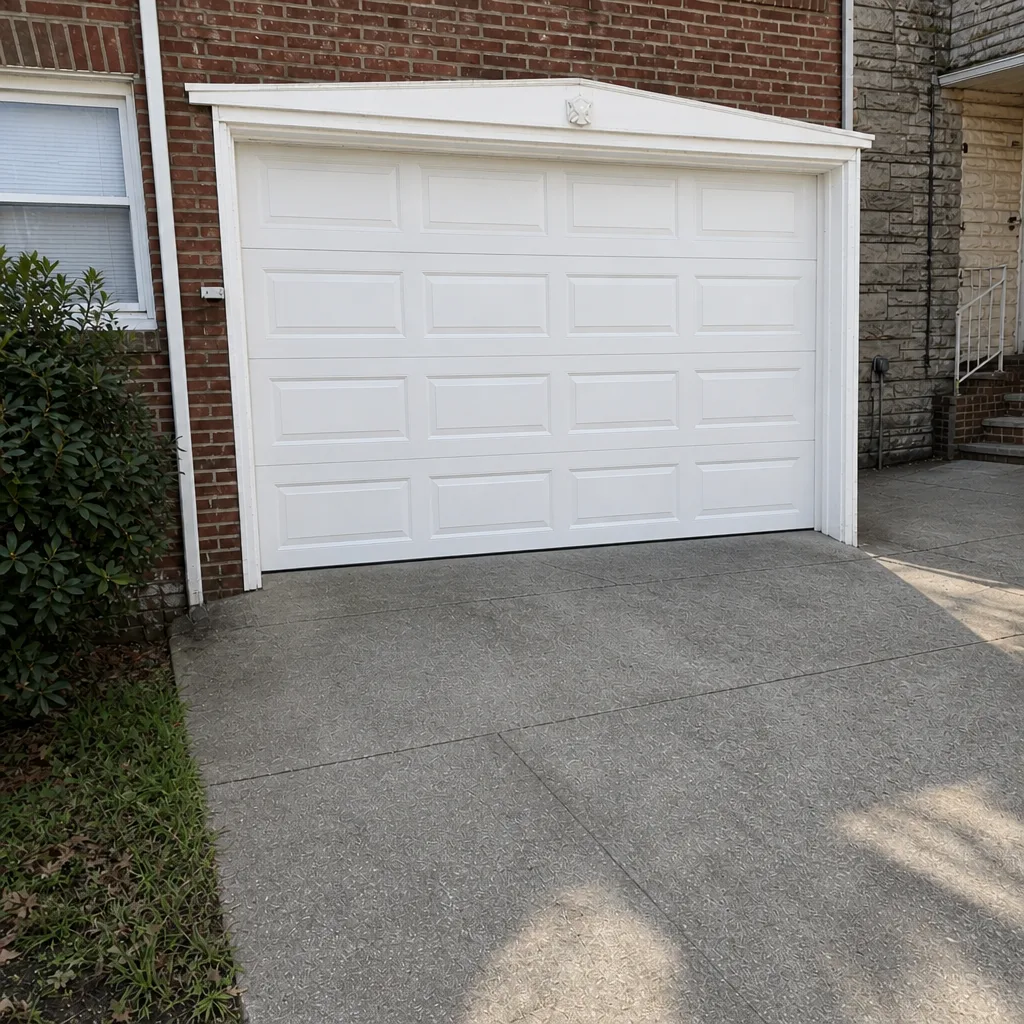 After
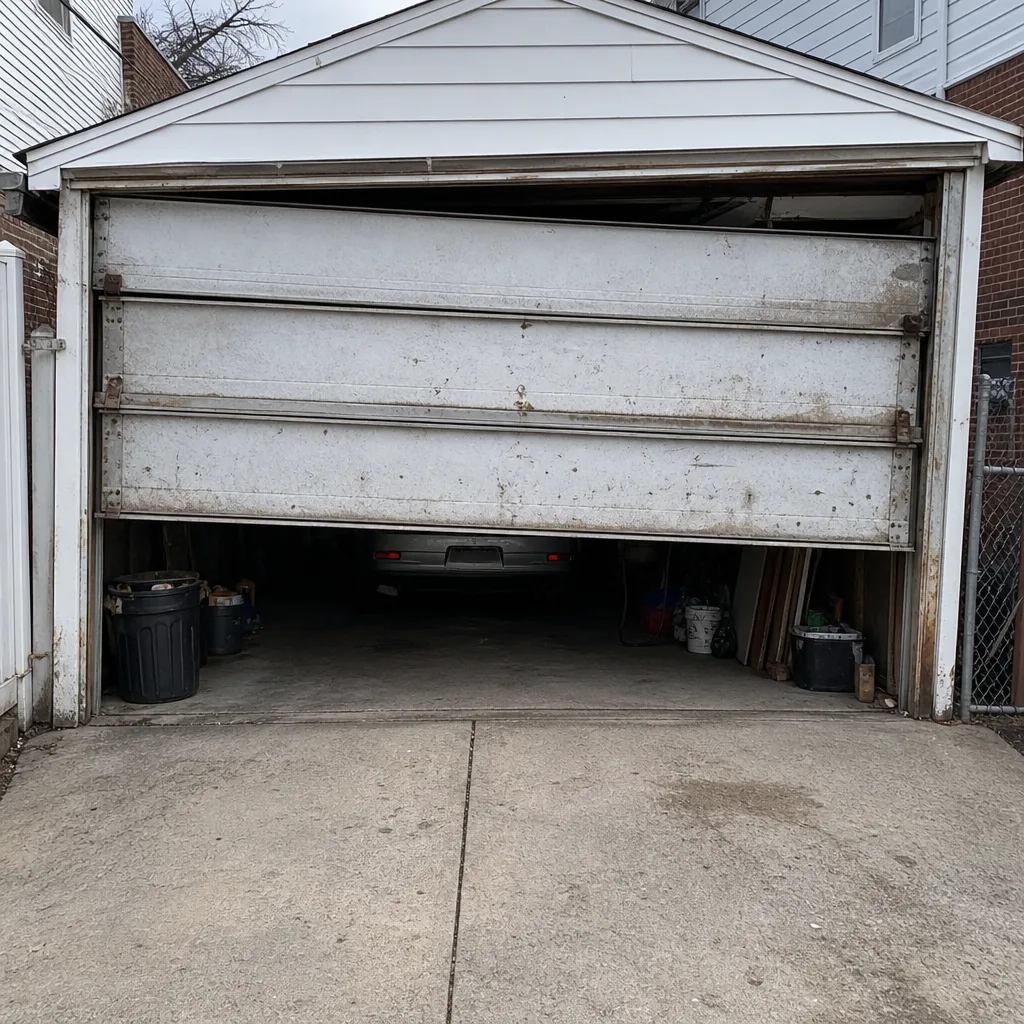 Before
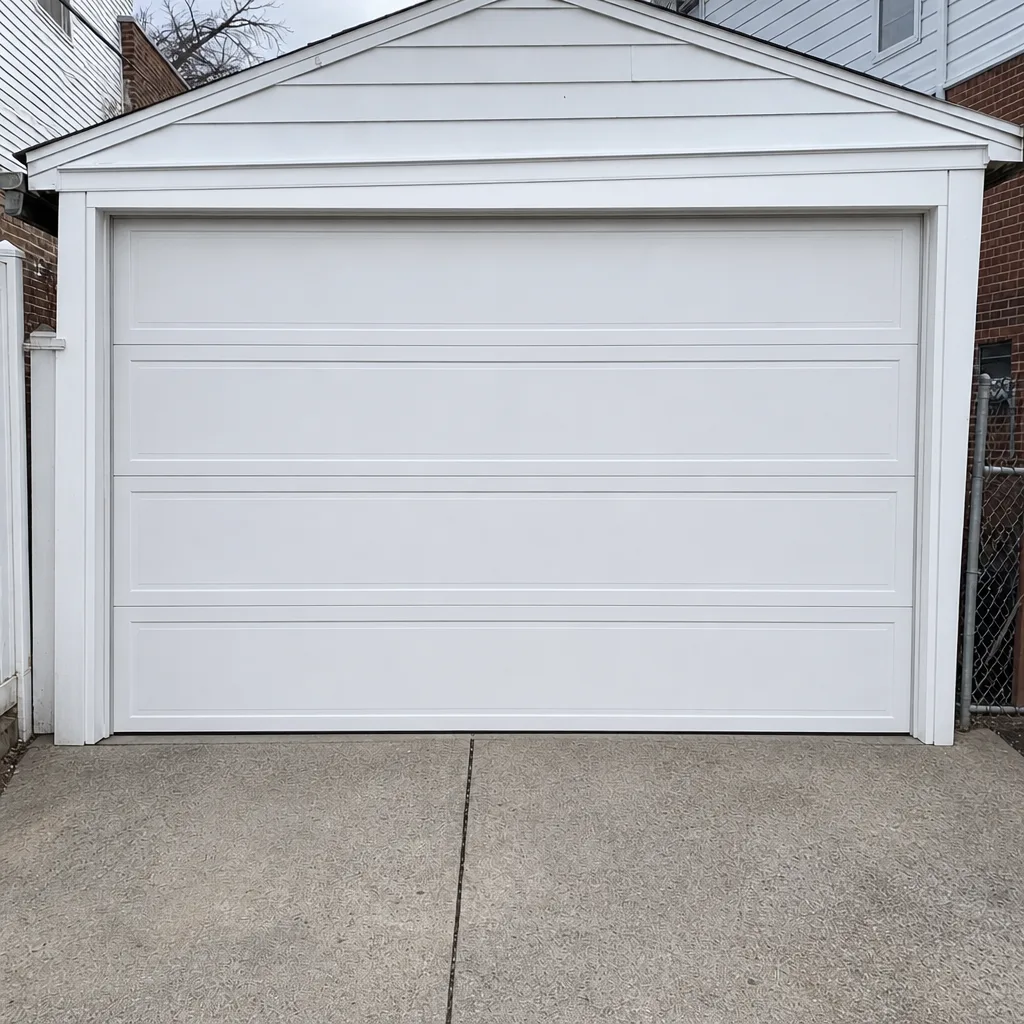 After
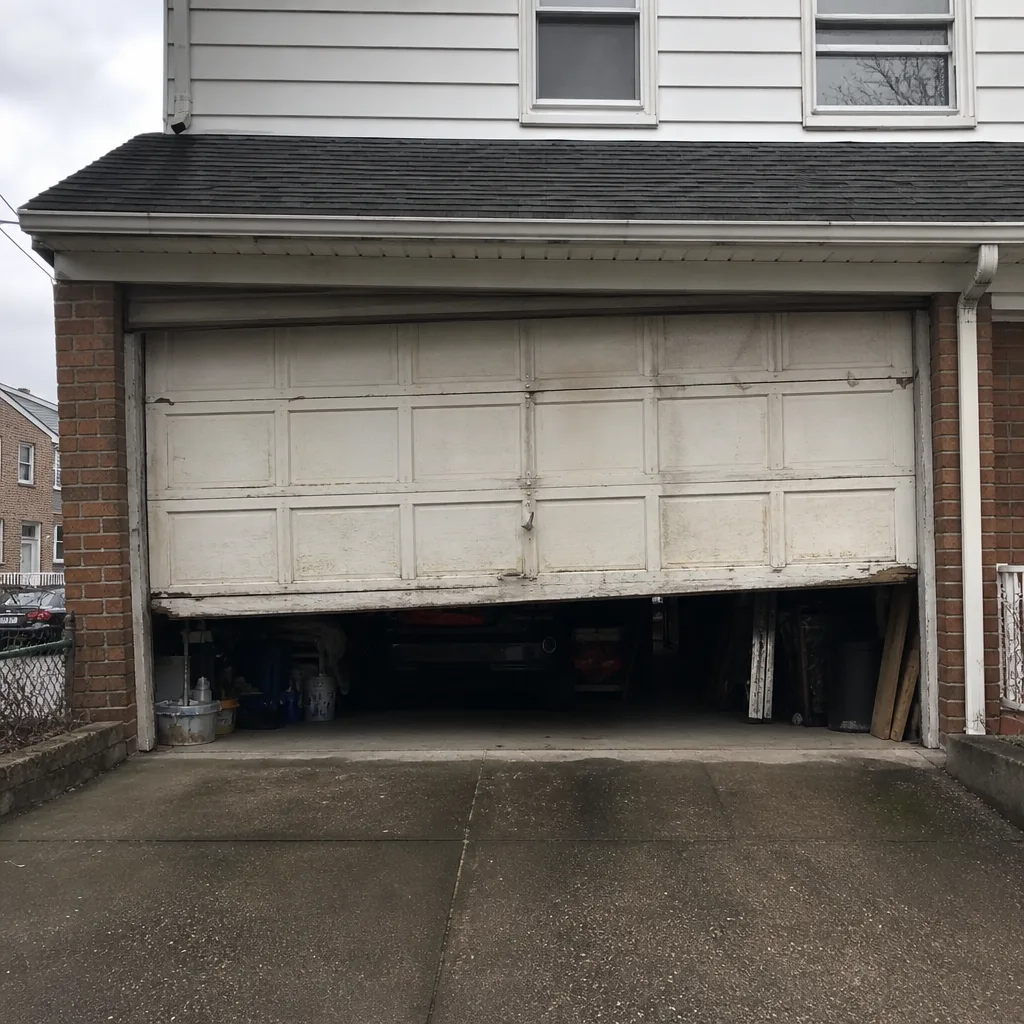 Before
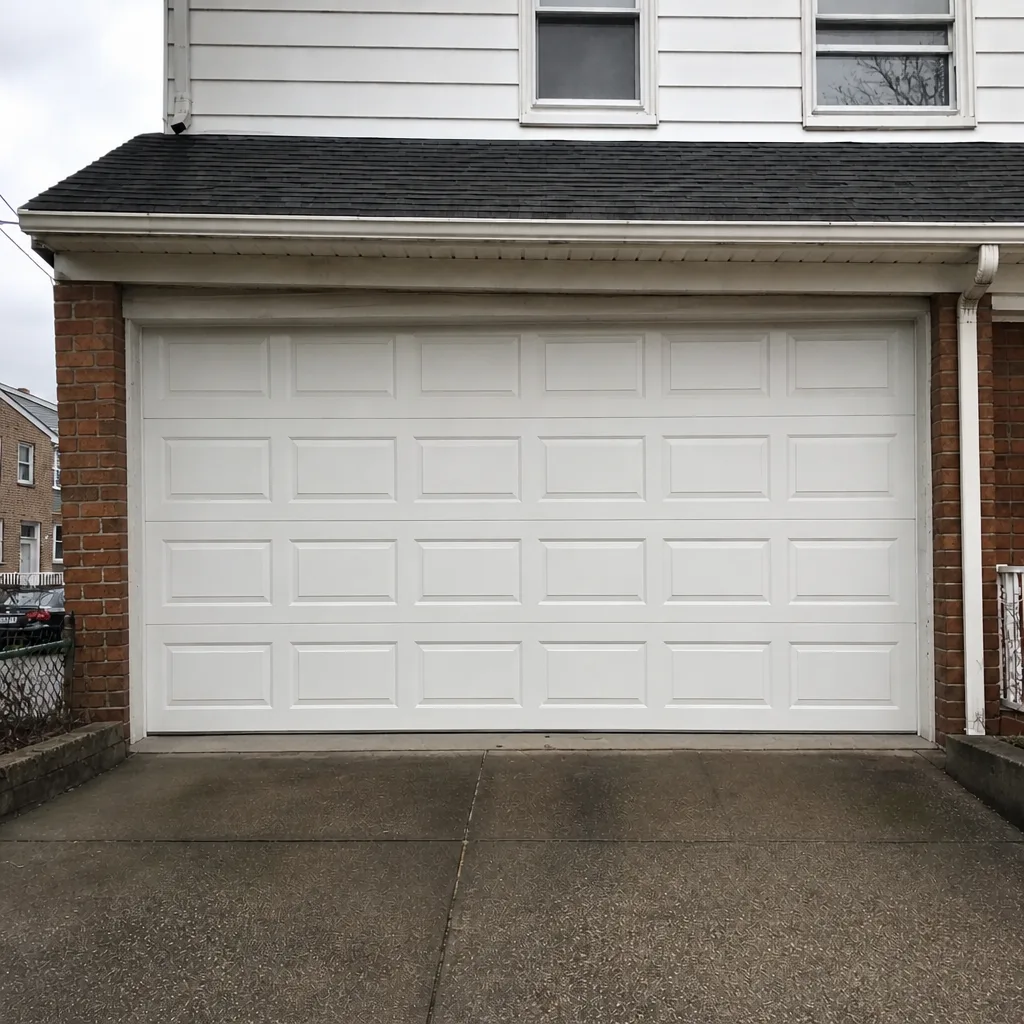 After
When to Call a Professional
Some garage door problems are maintenance. Some are emergencies, and the difference is clearer than most homeowners expect. Call a professional if the balance test shows the door dropping on its own, if you hear a loud crack from the spring area, if the door won’t open at all, if it’s off track or crooked, if a cable is frayed or loose, if the opener runs but doesn’t move the door, or if the door reverses unexpectedly or fails the safety test. On any of those, stop using the door. Forcing it can drop the panel or snap a cable. If the problem is noise, hesitation, or a slow opener, it can wait for a scheduled visit with a free estimate.
Garage Door Repair Borough Park offers free estimates in Borough Park. Call (888) 784-3292. We answer 24/7. Fast dispatch from 7am to 7pm, Sunday through Friday. The price is quoted and agreed before any work starts, and the written estimate is the price you pay.
Frequently Asked Questions
Lubricate hinges, rollers, and torsion spring coils about every six months, and twice in each transition season if the door is used several times a day. In Borough Park’s humid summers and wet winters, that means an application before winter and one before summer, not once a year. The spring coils are the highest-value part of the job and the most skipped. Call (888) 784-3292 for an exact quote on a full tune-up. Estimates are free.
No. A torsion spring is under hundreds of pounds of tension, and releasing it incorrectly can cause serious injury. Spring repair is the one task in the checklist that should never be handled by a homeowner. A trained technician has the tools and knowledge to release, replace, and re-tension safely. Springs are a safety job, not a maintenance task. Call (888) 784-3292 to schedule spring repair.
A typical garage door tune-up in Borough Park is commonly estimated in the range of about $89 to $180, depending on the door type and the number of adjustments needed. Spring replacement is priced separately, and a matched pair is usually replaced together, so plan for roughly double the single-spring range. The written estimate sets the final price. Call (888) 784-3292 for an exact quote. Estimates are free.
Cold weather contracts metal and stiffens rubber, and it also reveals springs that were already losing tension. A door that’s harder to lift in winter usually has a marginal spring or a bottom seal that’s frozen to the slab. Test the balance with the door disconnected from the opener. If it drops when you let go, call for service. Don’t force the opener. Call (888) 784-3292 and we’ll walk you through what you’re seeing.
If a single component has failed (spring, hinge, opener, cable) and the door panels, tracks, and framing are sound, a repair is usually the right call. If the panels are rusted through, the framing is soft, or the door is on its third or fourth failure in a short window, a replacement can make more sense. Our team handles both and gives an honest read rather than pushing a replacement. Call (888) 784-3292. Estimates are free.
No, we’re closed on Saturday. Our dispatch runs Sunday through Friday, 7am to 7pm. If your door fails on a Saturday, call and we’ll book you for Sunday. We answer 24/7. A call outside dispatch hours is booked into the next opening, Sunday through Friday, 7am to 7pm.
No. The written estimate is the price you pay. Our technician measures and diagnoses on the visit, writes a quote, and any work starts only after you agree to it. If the diagnosis changes on site, we tell you before doing anything. The price is set per job by the written estimate, not adjusted after the fact. Call (888) 784-3292 for an exact quote.
Yes. The local professional who comes to your home is licensed and insured as the state requires. Our technicians have up to 8 years of experience with garage doors, springs, and openers, including LiftMaster, Chamberlain, Genie, Clopay, Amarr, Wayne Dalton, Craftsman, and Raynor systems. Call (888) 784-3292 for an estimate.
The Bottom Line
A maintenance checklist for Borough Park comes down to four habits: lubricate the spring coils, hinges, and rollers with a garage-door-specific lubricant (not WD-40); run the 60-second balance test monthly during the heavy-use seasons; do a visual inspection of the tracks, framework, and weatherstripping before each season change; and book an annual tune-up. The hard line is spring tension. Everything else in the checklist can be handled by a homeowner. Springs, cables, and track work belong to a trained technician. Get the timing right for Borough Park’s climate and the door will stay quiet and safe through the years it’s used most. Call (888) 784-3292. We answer 24/7. Fast dispatch from 7am to 7pm, Sunday through Friday.
Written by the team at Garage Door Repair Borough Park.