
Last updated November 21, 2026
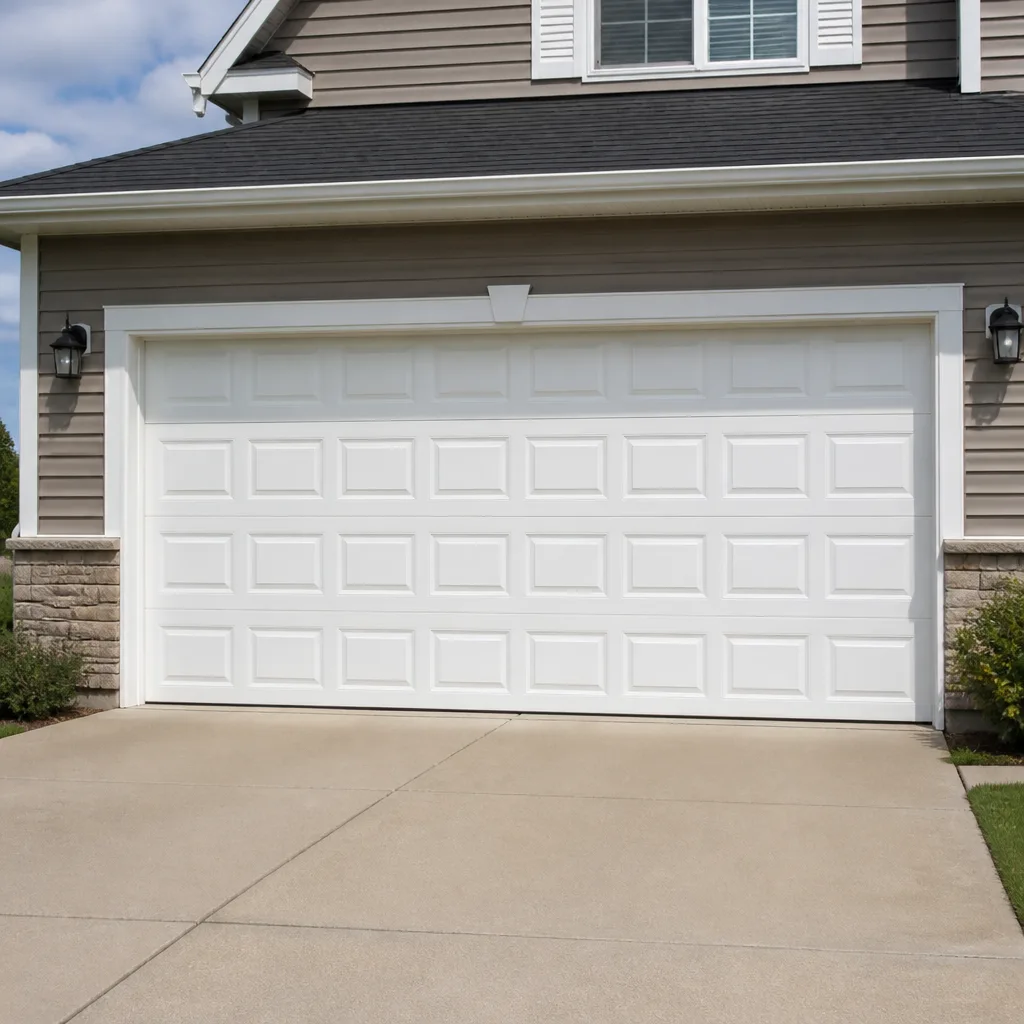 Raised-panel steel
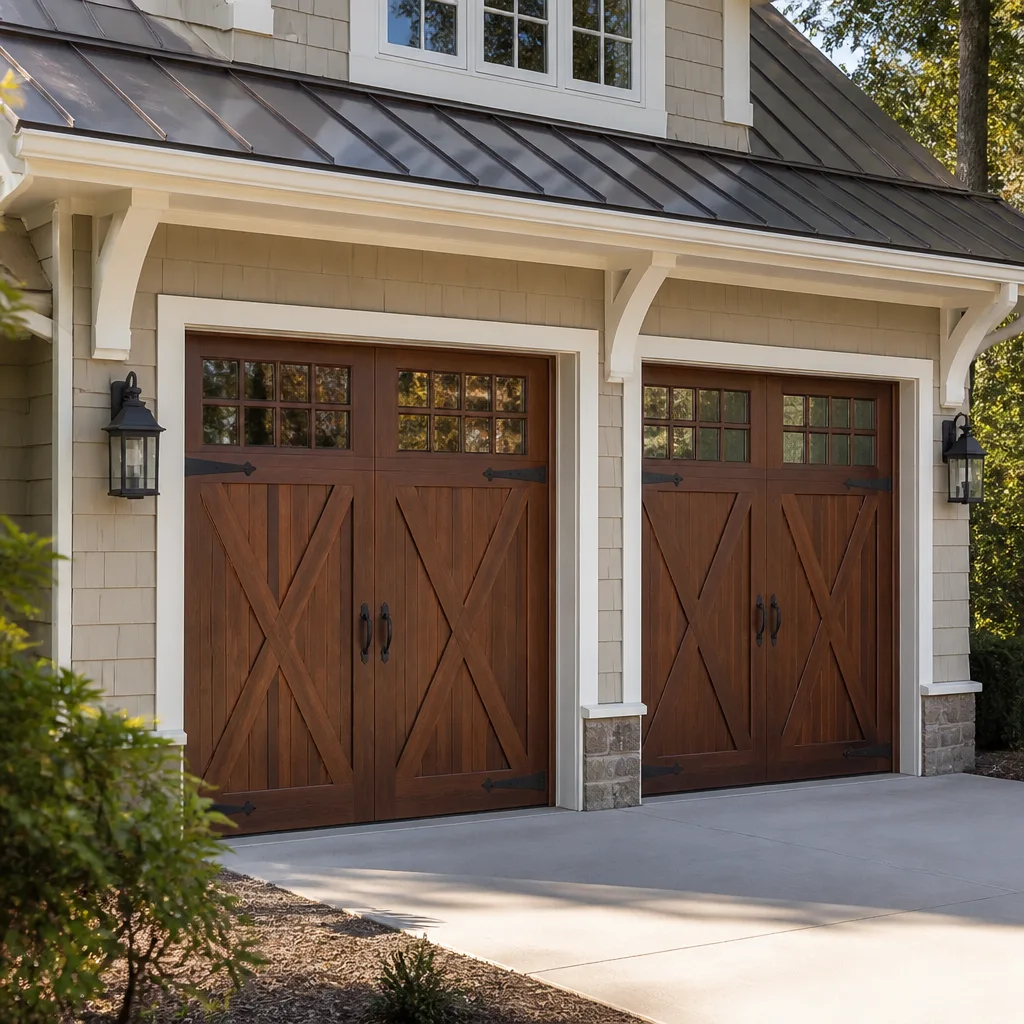 Carriage house
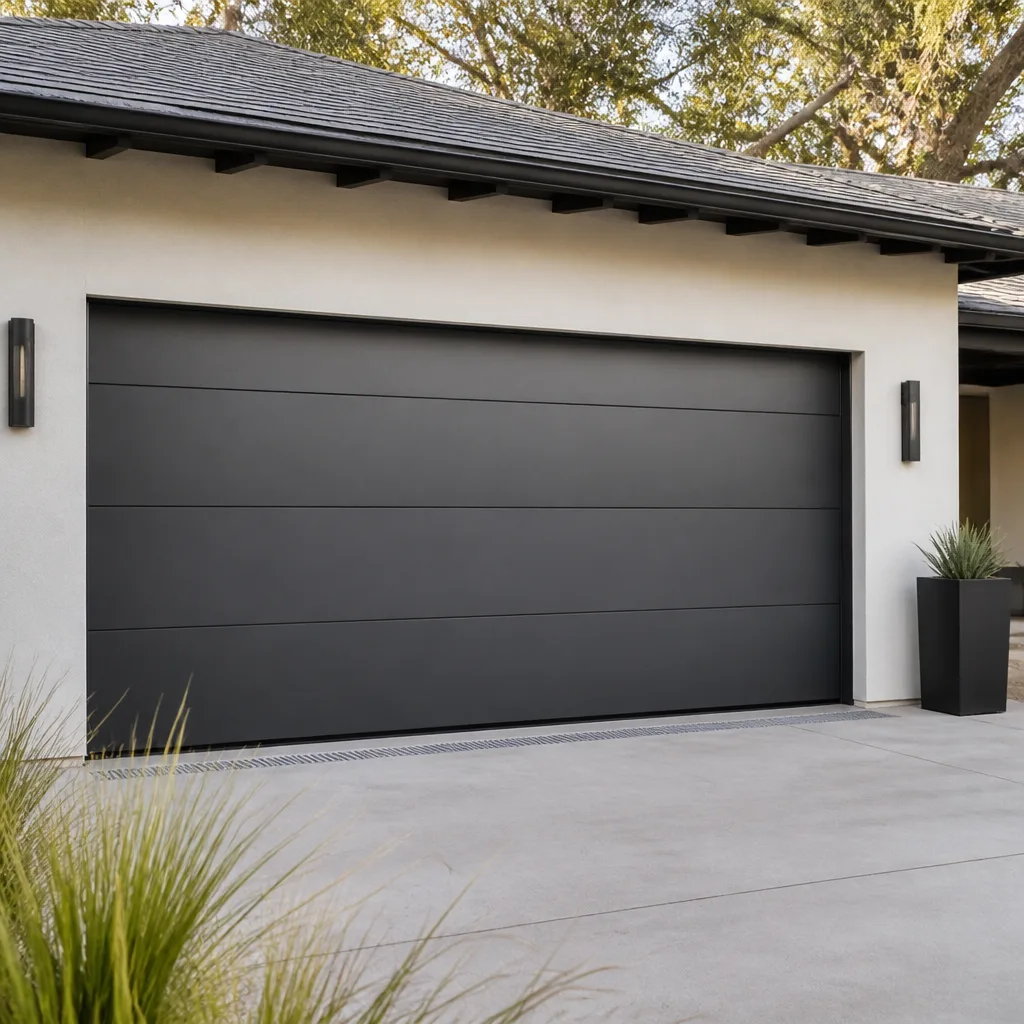 Modern flush
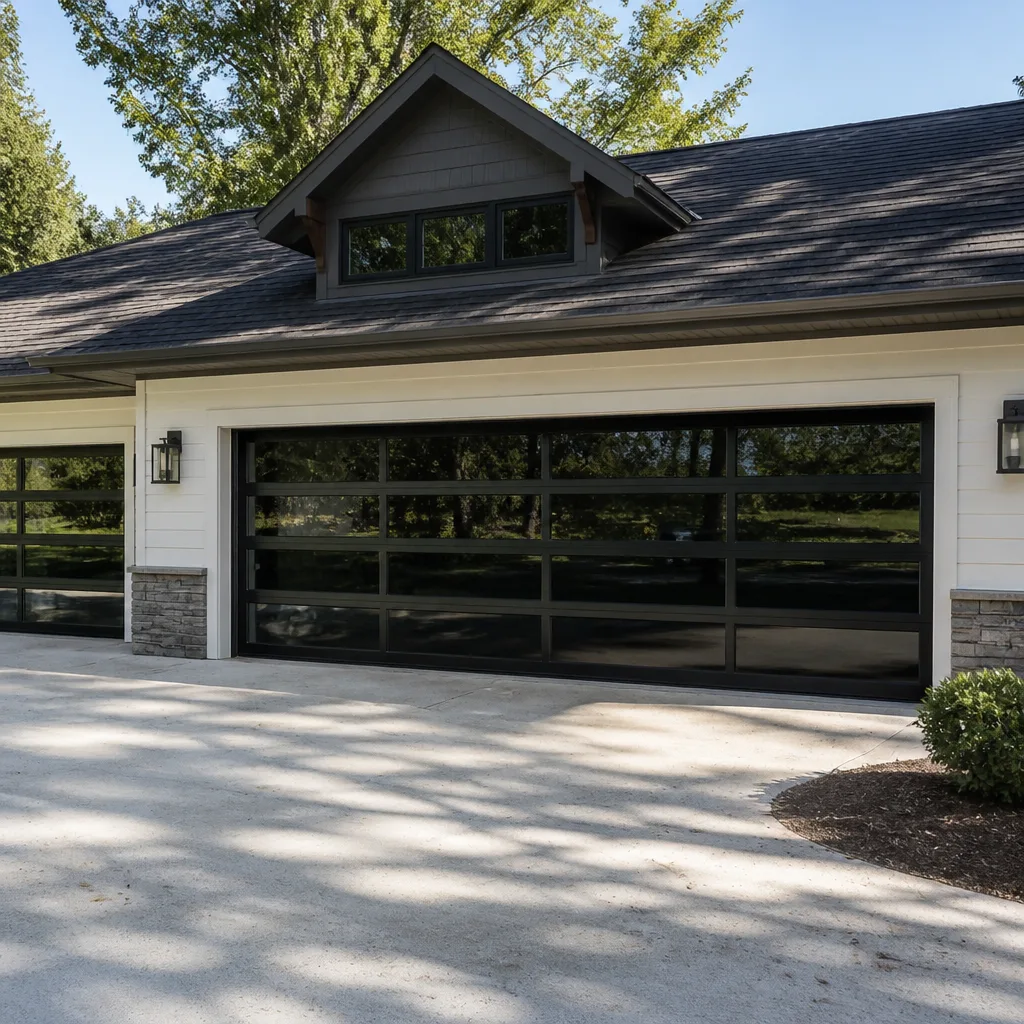 Full-view glass
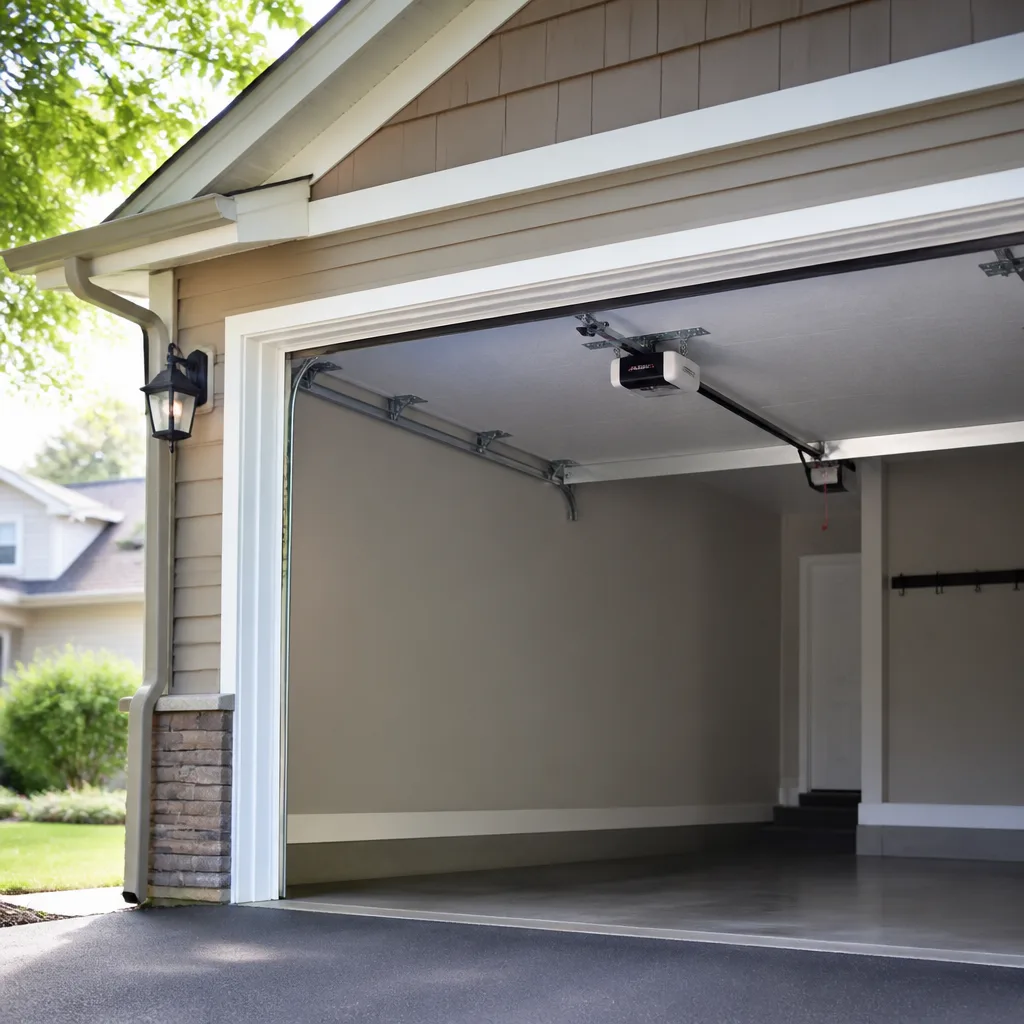 LiftMaster openers
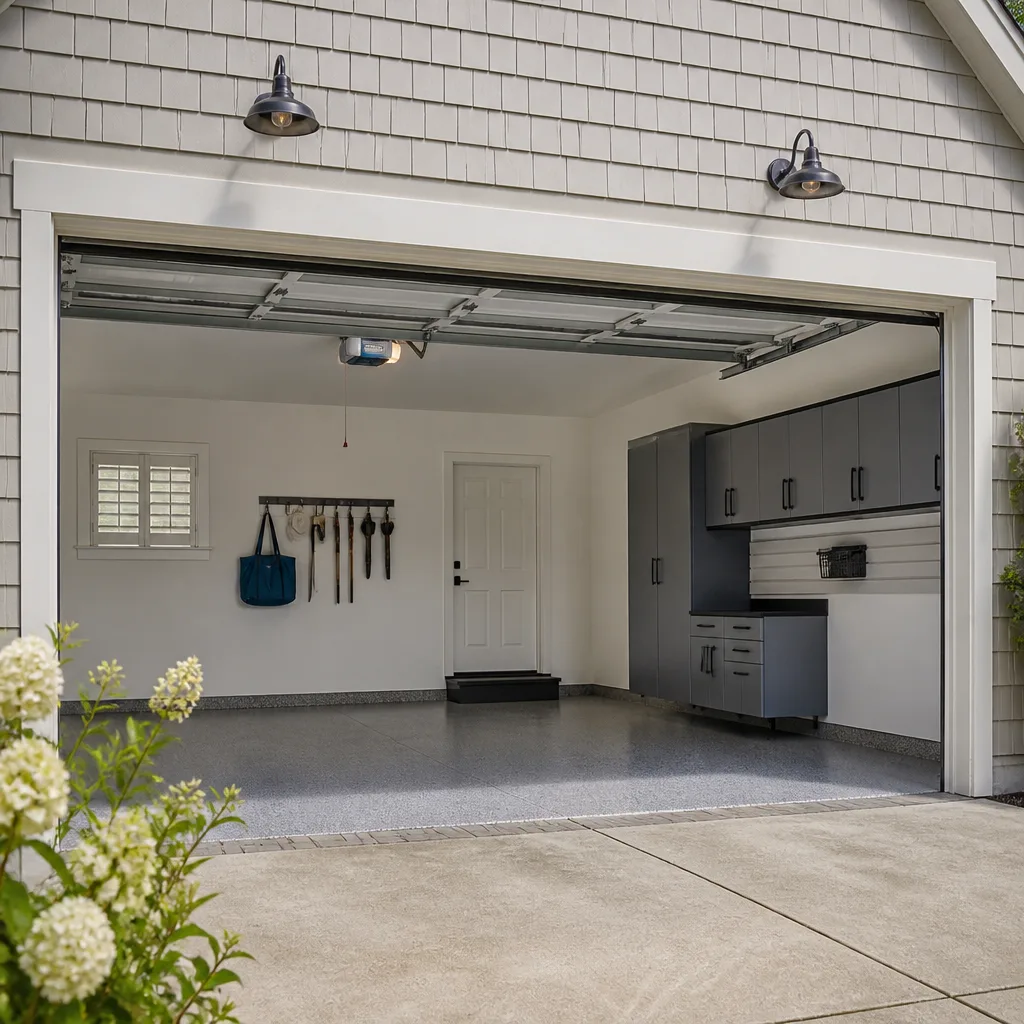 Chamberlain openers
Full 25-point door and opener safety check with every visit - springs, cables, rollers, tracks, and your LiftMaster or Chamberlain opener included
You get a price before we start. It does not change when the pro arrives.
Get your free estimateHow to Hire a Garage Door Contractor in Borough Park: A Step-by-Step Guide
Most homeowners hire a garage door contractor the same way they hire a painter: they call whoever answers and hope for the best. That works for repainting a hallway. It doesn’t work for a torsion system under heavy load. Here’s the counterintuitive part. The contractor who shows up fastest and quotes lowest is often the least equipped to touch your door. In Borough Park, where a single block can hold a dozen homes with a dozen different door brands and setups, the garage door is mechanical equipment with real stored energy inside it, not a decoration you can patch. This guide lays out exactly how to vet a contractor here – the questions to ask, how to read a quote, how to verify an NYC Home Improvement Contractor license in under two minutes, and the red flags that are specific to this market.
Quick Answer
To hire a garage door contractor in Borough Park, verify the NYC Home Improvement Contractor (HIC) license first, then ask whether the contractor works on garage doors as a specialty or as a side service. Get a written, itemized quote that names the springs, cables, drums, and any opener parts before booking. For spring work specifically, one vetted specialist is usually a better call than three price quotes from generalists who haven’t seen your door.
Styles & brands we work with
- Raised-panel steel
- Carriage house
- Modern flush
- Full-view glass
- LiftMaster openers
- Chamberlain openers
Table of Contents
- Why a Garage Door Specialist Beats a General Handyman
- The Five Questions to Ask Before You Book
- How to Read a Garage Door Quote Line by Line
- How to Verify an NYC Home Improvement Contractor License
- Why Three Quotes Can Backfire on Spring Work
- Red Flags Specific to the Borough Park Market
- Springs, Cables, and What You Should Never Touch Yourself
- How Borough Park Housing Shapes Garage Door Jobs
Why a Garage Door Specialist Beats a General Handyman
A general handyman can hang a shelf, patch drywall, and swap a faucet cartridge. None of that prepares someone to diagnose a torsion spring that’s lost tension unevenly on a two-spring system. Garage doors combine heavy moving parts, high-tension springs, and brand-specific opener electronics. The generalist who lists “garage doors” on a flyer is usually one who has replaced a few openers and is learning the rest on your door.
A specialist works on one thing. Every tool in the van is meant for a garage door. Every part on hand is chosen for doors and openers. In our experience, the difference shows up first in diagnosis: a specialist listens to the door, checks the balance, counts the springs, looks at the drum and cable, and knows whether the issue is mechanical or electrical before quoting a thing. A generalist often guesses and then discovers the real problem mid-job, which is exactly when the invoice grows.
It also matters for brand fluency. A door system from Wayne Dalton doesn’t share every part or procedure with one from Raynor or Craftsman. Openers from LiftMaster have their own logic boards and travel-limit adjustments. A contractor who works across these systems daily doesn’t spend your appointment reading a manual on your dime. Ask directly whether the person is certified to service your brand family – and expect a straight yes or no.
If you’re searching for a garage door contractor in Borough Park, the specialty question is the one that decides the rest of the hiring process. Treat “we do garage doors” as an answer that needs a follow-up: how many a week, which brands, and which jobs they’ll refuse.
The Five Questions to Ask Before You Book
These five questions separate the garage door specialists from the generalists faster than any review page. Ask them on the phone before anyone comes out. A specialist answers all five without hesitation. A generalist stumbles somewhere in the middle.
- How many springs does my system have, and can you tell me before you see it? A legit pro will say they can’t confirm until they inspect, but they’ll ask what you’re seeing and hearing and tell you what to look for – for example, whether your door uses one spring or a matched pair. If the quote lands before that conversation, they’re pricing blind.
- Are you certified on my door brand and my opener brand? Give them the brand name (LiftMaster, Chamberlain, Genie, Clopay, Amarr, Wayne Dalton, Craftsman, Raynor). A specialist knows exactly which brands they work on. A generalist hedges.
- What’s the make and model of the spring you’d install? The answer should include gauge and length, not just “a replacement.” The right spring is matched to the door’s weight and the cycle life you’re paying for.
- Will the quote be itemized in writing before work starts? Yes is the only acceptable answer. “We’ll figure it out when we’re there” means the invoice is the quote.
- What’s your NYC Home Improvement Contractor license number, and can I verify it? A licensed contractor gives you the number without pressure. Anyone who gets defensive here has told you what you need to know.
Write the answers down while you’re on the phone. It’s easy to get talked past a vague answer, especially when the problem is urgent and you want the door fixed today. The five questions take maybe four minutes and save you from the wrong contractor.
How to Read a Garage Door Quote Line by Line
A garage door quote is either a list of parts and labor you can check, or it’s a single number that means nothing. Ask for the itemized version. If the contractor won’t provide it before booking, that’s your answer about how the job will go.
Here’s what a legitimate itemized quote should show:
- Springs: make, gauge, length, cycle rating, and whether it’s one spring or a matched pair. A pair is usually replaced together, so the quote should say pair explicitly, not leave you guessing.
- Cables, drums, and bearings: listed separately when they’re being replaced. Bundling them into “hardware” hides what you’re paying for.
- Opener parts: model numbers on boards, gears, and remotes. Vague “opener repair” without a part is a placeholder.
- Labor: stated as a line. Some contractors separate labor and materials; both approaches are fine as long as labor is visible.
- Disposal: old spring and hardware removal, if there’s a charge.
- Written price: a total, in writing, agreed before work starts.
Bundled quotes are the red flag. A quote that says “spring replacement – one price, all-in” without specifying what gets replaced is a quote that lets the contractor substitute a cheaper spring than the one they showed you. That matters on a heavy wooden door, which needs a heavier spring than a lighter steel one. It matters if the quote uses one price for both springs when you actually have two. Sloppy bundling is often the difference between a job that lasts years and one that comes back.
A word on pricing. Spring replacement is usually quoted per spring, so a matched pair costs about twice the single-spring range. If the price in a quote is one number that doesn’t tell you whether they’re doing one spring or two, ask. That’s not being difficult – that’s how you get a fair answer. Ask the contractor to put the written range on the quote itself: “one spring, installed – $X to $Y.”
For a planned replacement rather than a repair, the contractor should be measuring the opening and writing a quote against the exact door spec: size, insulation, wind rating if required, and hardware. Our garage door installation work is quoted against the measured opening and written up before the door is ordered, never after.
How to Verify an NYC Home Improvement Contractor License
New York City requires home improvement contractors to hold a Home Improvement Contractor (HIC) license from the NYC Department of Consumer and Worker Protection (DCWP). If someone is doing paid home improvement work in Borough Park or anywhere else in the five boroughs, this applies to them. You can verify a license in under two minutes through the DCWP online license lookup. Ask for the license number before you book and check it yourself. It costs nothing and it’s the single most reliable screen against the wrong contractor.
Here’s the shorter version of the process:
- Ask the contractor for their HIC license number. A licensed contractor gives it without friction.
- Look up the number in the NYC DCWP online license search, or call DCWP directly at the number published on their site.
- Confirm the name and business match the contractor you’re speaking with – not a parent company, not a subcontractor.
- Ask whether the person doing the work is directly licensed or working under someone else’s license. You want the name on the quote to be the name on the license.
- Ask for proof of insurance and workers’ comp. State-licensed, insured, and bonded is the baseline; the specifics you can verify on the certificates.
For commercial work or anything requiring a permit – a new door installation sometimes falls into this bucket depending on the building and the scope – the contractor should know exactly when a permit is required and how to pull one. Most cities require a permit for certain structural or electrical changes; ask your building department or the contractor to confirm for your job. A contractor who says “you don’t need a permit for that” without knowing the scope hasn’t looked into it.
Why Three Quotes Can Backfire on Spring Work
Three quotes are the standard advice for home projects, and for most trades it’s good advice. Spring work is the exception. Here’s why.
The cheapest quote on a spring job is often the one that cuts the most corners: a lower-cycle spring, a service-grade cable, or a guessed size instead of a measured one. Comparing those three prices tells you almost nothing about what you’re actually buying, because the quotes aren’t for the same job. One contractor is replacing your spring with a matched pair and the right gauge; another is dropping in whatever’s on the shelf. The number on the page isn’t comparable.
You also risk being gamed by the “low estimate, high invoice” pattern. A contractor quotes the spring to get in the door, then “discovers” the cables are worn, the drum is bent, or the opener won’t handle the new spring’s tension. The invoice doubles. The homeowner has no way to check which “discoveries” were genuine and which were theater.
When one trusted specialist is the smarter call:
- The door has failed suddenly and you need it resolved – call garage door repair first and get a diagnosis, then a written quote.
- The quote is itemized and the part spec is written down – you can compare like with like.
- The contractor is certified on your brand (LiftMaster, Chamberlain, Clopay, etc.), which means parts and technique are matched to the system rather than swapped in generically.
- You’ve verified the HIC license and the insurance. The rest is pricing, and pricing is negotiable.
When getting multiple quotes makes sense: full replacement work where you’re comparing door styles and specs, and anything where the scope is genuinely open. For a spring swap on an existing door, one vetted specialist beats three shallow quotes every time.
Red Flags Specific to the Borough Park Market
Borough Park’s service market is dense – legwork moves fast, word travels, and everyone seems to know a guy. That density creates a few patterns worth knowing about.
- Out-of-area companies with no local footprint. A company whose address is in another state or another county can absolutely do the work, but the follow-up visit is where the value shows up – or doesn’t. Ask where they work day in and day out and whether they’ve serviced doors in this neighborhood before. If the answer is vague, treat the quote with caution.
- Bait-and-switch spring pricing. The phone quote is one number; the invoice is much higher after the “inspection.” A fair contractor quotes a range and then narrows it after seeing the door, in writing. Anything else is a trap.
- Cash-only, no written quote. A licensed HIC contractor can be paid in whatever way the two of you agree, but a written quote and a paper trail protect both sides. No written quote is a red flag regardless of payment method.
- Unmarked vehicles and no business card. If the person who shows up can’t tell you the name of the company they work for, that’s a problem before they touch the door.
- Pressure to bundle work you haven’t asked for. If your door needs a spring and someone pitches a full replacement before they’ve inspected the opener and tracks, slow down. The right answer comes after a diagnosis, not before it.
- No certified brand list. A real garage door specialist knows exactly which brands and openers they service. If they “do everything” without being able to name a make, they’re guessing.
Borough Park is a neighborhood where a good reputation travels from neighbor to neighbor quickly, and the reverse is true. The safest path is to ask around, but verify the license and the quote regardless. A recommendation is a starting point, not a substitute for a written, itemized quote and a checked license number.
Springs, Cables, and What You Should Never Touch Yourself
This is the section of the guide that matters most. Garage door torsion springs and the cables that run with them store a large amount of energy and can cause serious injury if they’re handled without the right tools and training. We’re being direct because the subject warrants it: springs are a safety job, not a weekend project.
The terms you’ll hear when you call a contractor: torsion springs mount above the door and do most of the lifting; extension springs mount above the tracks and use a different adjustment method. Both are under load. Both can release suddenly if a spring or cable fails. A snapped spring is loud and visible – the door won’t lift cleanly, one side hangs low, the door goes crooked in the opening. A failing cable can be quieter and more dangerous. Leave both to a trained professional. Anyone who tells you to “try adjusting it yourself first” is someone to stop listening to.
What to check without touching anything:
- Listen for the door as it opens and closes. New squeaks, grinding, or a bang at the top of the travel need a diagnosis.
- Look at the springs from a safe distance – is one visibly stretched, sagging, or broken? Note the color code on the spring (the paint mark that indicates gauge and length) for the contractor.
- Watch the door’s balance: if it stops halfway down, or drifts down on its own from the open position, the spring tension is off.
- Check the safety reverse: put a wood block or a roll of paper towels on the ground where the door lands. The door should reverse on contact. If it doesn’t, stop using the opener until it’s corrected.
- Don’t attempt to adjust tension, spring size, or cable position. Don’t try to “help” a stuck door by lifting it – that’s how the injury happens.
When a spring or cable has failed, the safest path is a professional diagnosis and a written quote before any work. Your exact brand, serviced correctly, matters here – a spring is not a generic part. If your door uses a Wayne Dalton system or an older Craftsman unit, the specialist should know the part lineage. Ask. Then get the price in writing before anyone starts.
For a door that’s off its track, crooked, or refusing to open, treat it as urgent. Call and get it evaluated. A stuck door is an access problem and, if the garage is attached, a security one. We answer 24/7, and we schedule fast dispatch from 7am to 7pm, Sunday through Friday.
How Borough Park Housing Shapes Garage Door Jobs
Borough Park is dense, mixed, and full of attached homes with garages that were built across many decades and have been modified for many purposes since. That housing stock shapes garage door work more than weather does.
Space is tight. A narrow driveway or a garage tucked beneath a building means the door can’t be opened all the way during service, and the technician has to work around it. That’s a planning question, not a problem, but it’s worth mentioning on the phone so the tech arrives ready. Attached garages also change how you think about security – a door that won’t close is not just inconvenient, it’s a live security issue for the household.
The doors themselves are a mix. Original wooden doors that have been painted and repainted, older steel doors from brands like Raynor or Wayne Dalton, and newer insulated doors. Each needs a spring spec matched to its weight. A contractor who quotes by eyeballing the door, without checking weight and existing spring color code, is likely to install the wrong one – which shows up as a door that opens too fast, doesn’t sit level, or fails again in a short window.
Extreme temperatures do matter, though not in the way most guides claim. The cold season puts more load on older springs and cables; the summer heat can make wooden doors swell, which changes the balance. If your door sounds different in January than it did in June, that’s a spring or a track issue, not weather. The fix is a measurement and a corrected spring, not a lubricant. When a problem shows up that isn’t just seasonal noise, call for a diagnostic. Our technicians have up to 8 years of experience working on the exact systems that populate this part of Brooklyn, and they’ll tell you plainly whether it’s a parts issue or a door issue.
What a Good Hiring Process Looks Like, Start to Finish
Step back from the details and the process is simple. Verify the license. Ask the five questions. Get a written, itemized quote. Confirm the spring spec or the opener part number. Approve the price in writing before work starts. Follow up if anything’s wrong. That process takes about fifteen minutes of your time before the appointment and prevents most of the problems a homeowner can get into.
A few practical notes to round it out:
- 1
Ask about the door brands on the property, not just the opener. A door and an opener are two systems. A contractor should be certified or comfortable across the brand family of both. If your door is Clopay and your opener is LiftMaster, the specialist should recognize both.
- 2
Note every part number on the quote. Spring gauge, length, opener board model, travel-limit part. A read-back at the end of the job should match the write-up at the start.
- 3
Save the quote. If a problem comes back within a reasonable window, the itemized quote is your paper trail.
- 4
Ask who handles the work if something needs to be reordered. Opener boards get back-ordered. A good contractor tells you the timeline before you agree, not after.
- 5
Confirm before work starts that the price doesn’t change without your approval. The written estimate is the price. If the technician finds something unexpected mid-job, they should stop and re-quote before touching anything further.
One more: ask whether the company handles the full range – repair, spring, opener, and new door – or only one piece. If you’re planning a full replacement down the road, a specialist who already knows your system is worth maintaining. From a stuck door to a full replacement, one team that already knows your brand is easier than starting the vetting process over.
See the difference
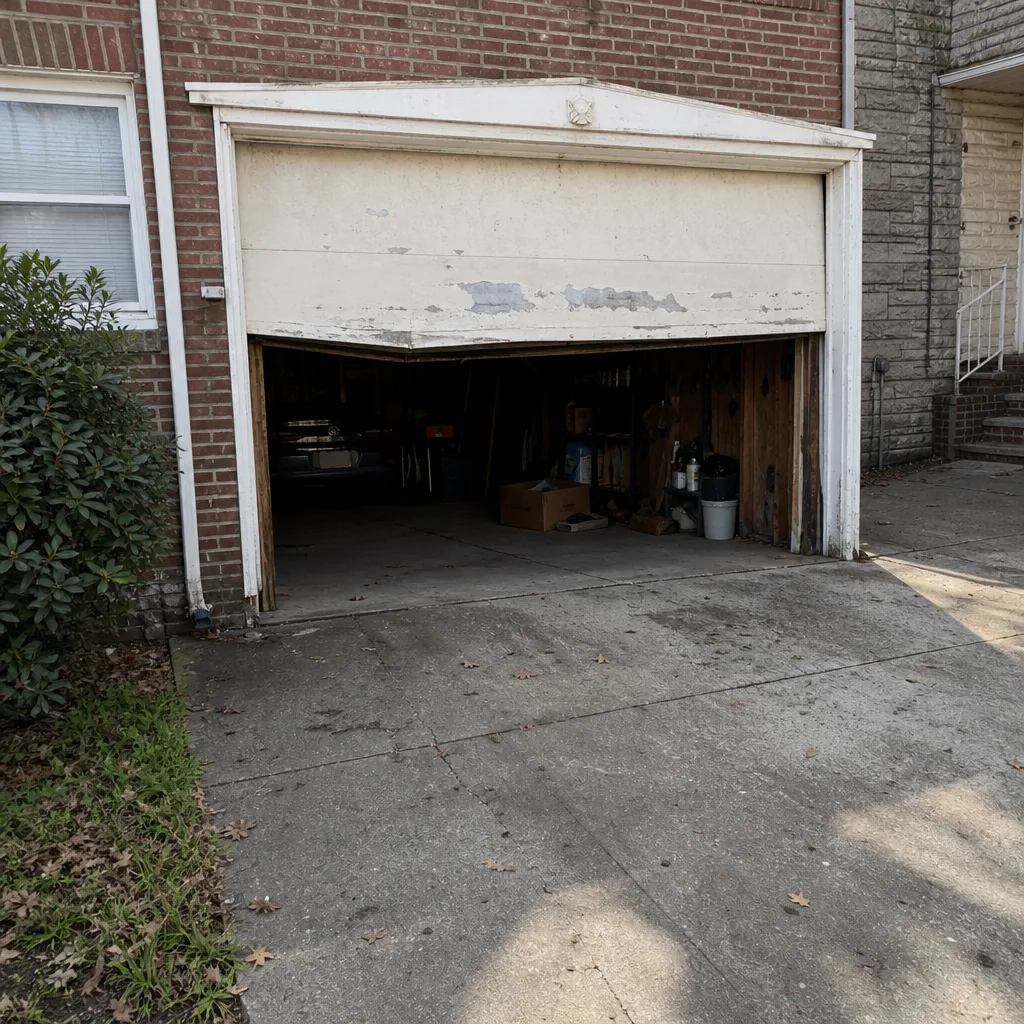 Before
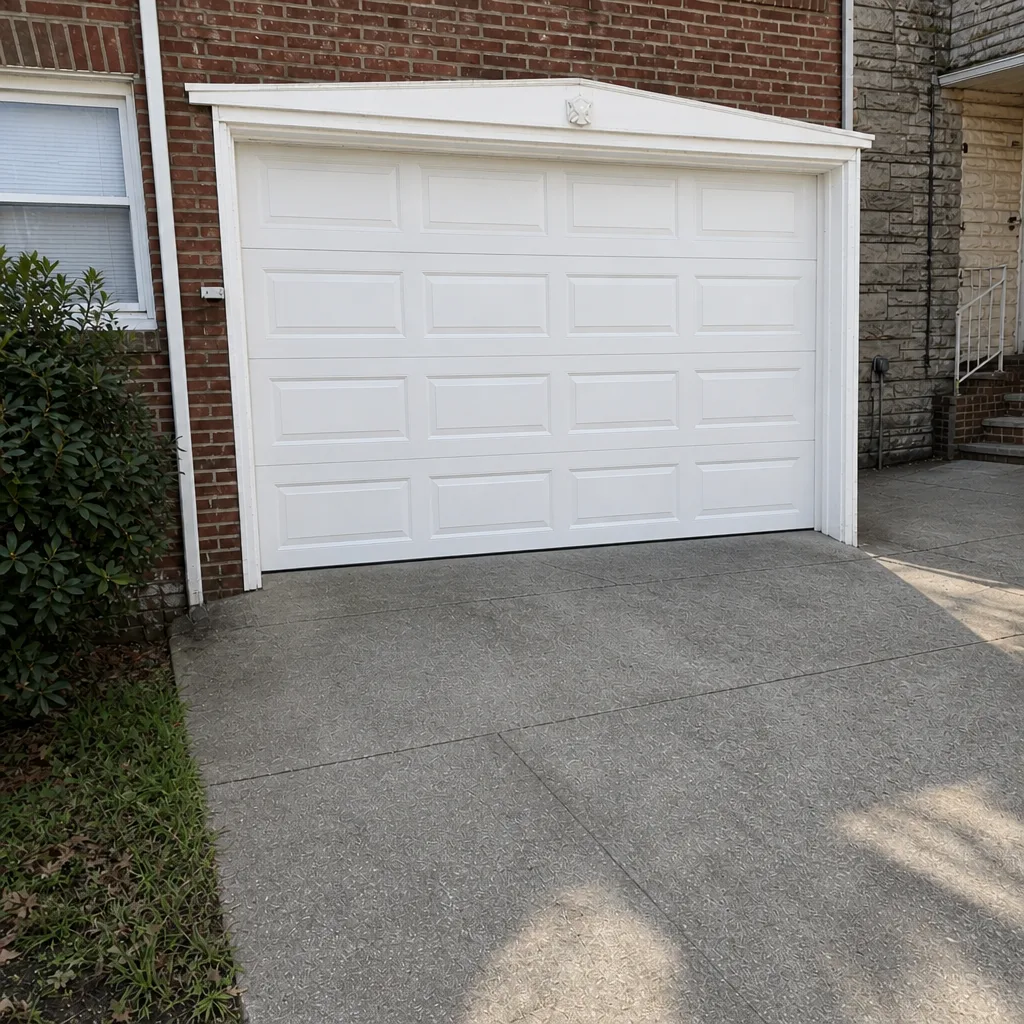 After
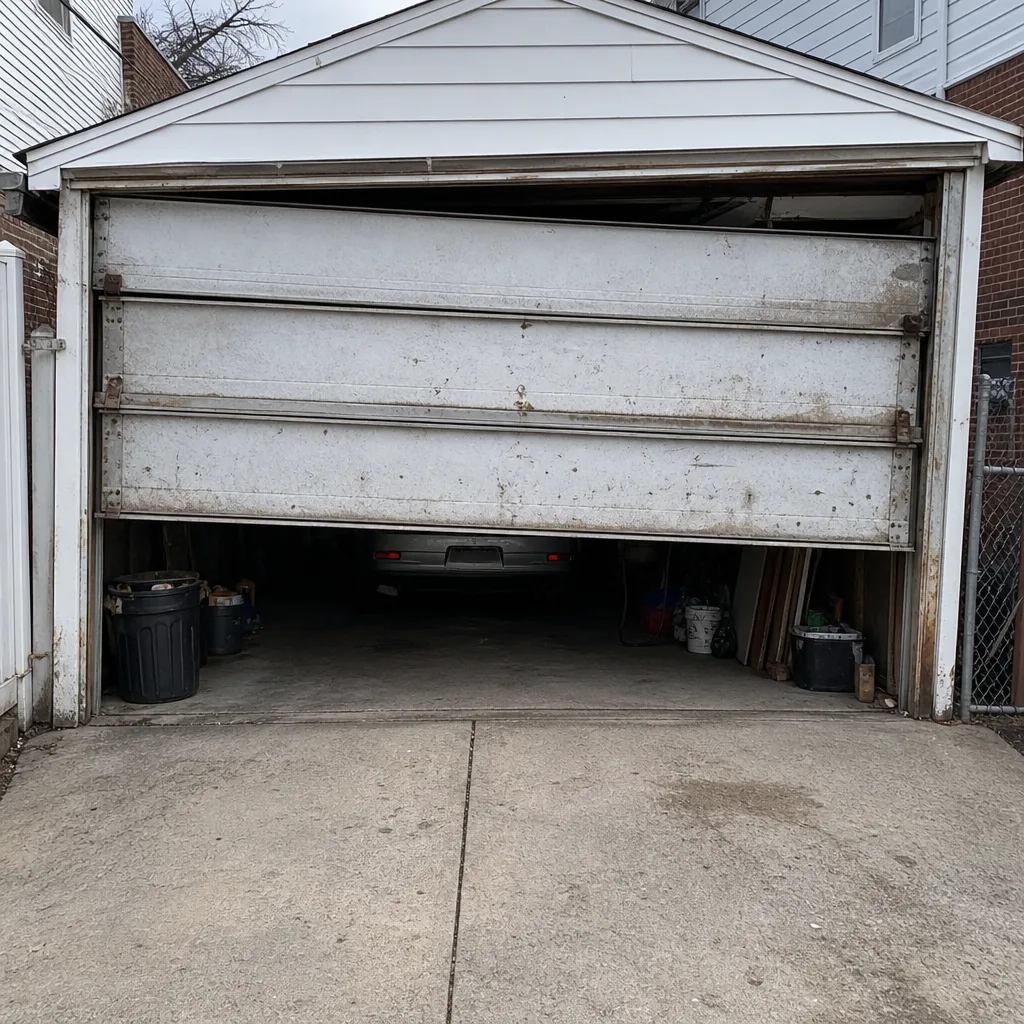 Before
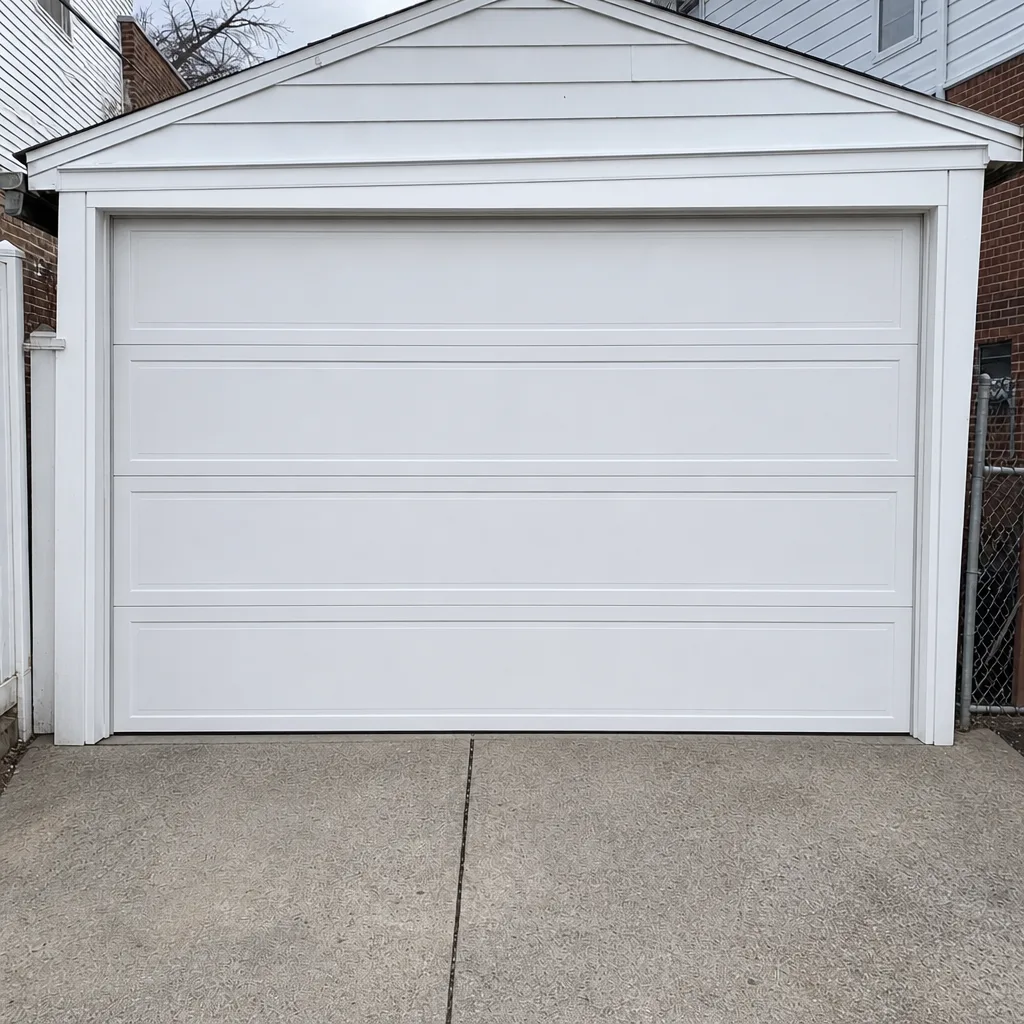 After
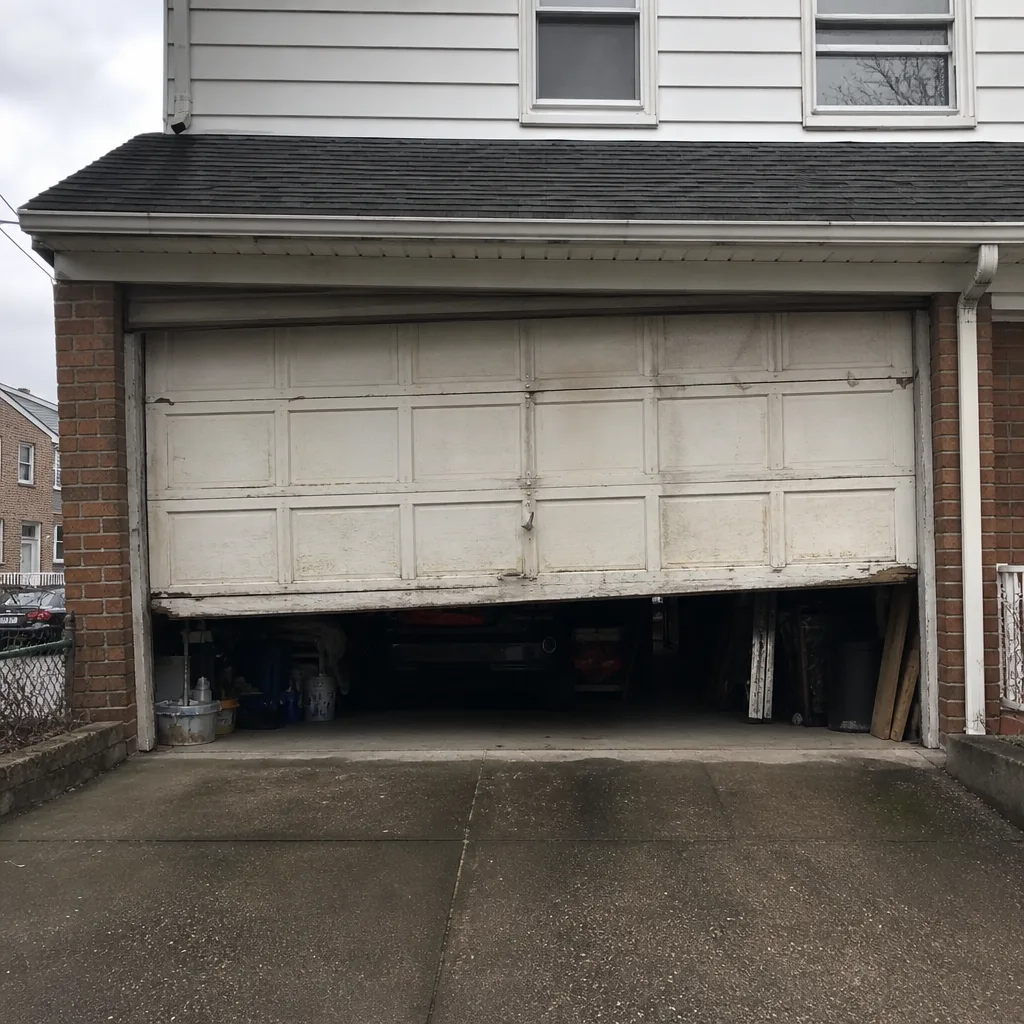 Before
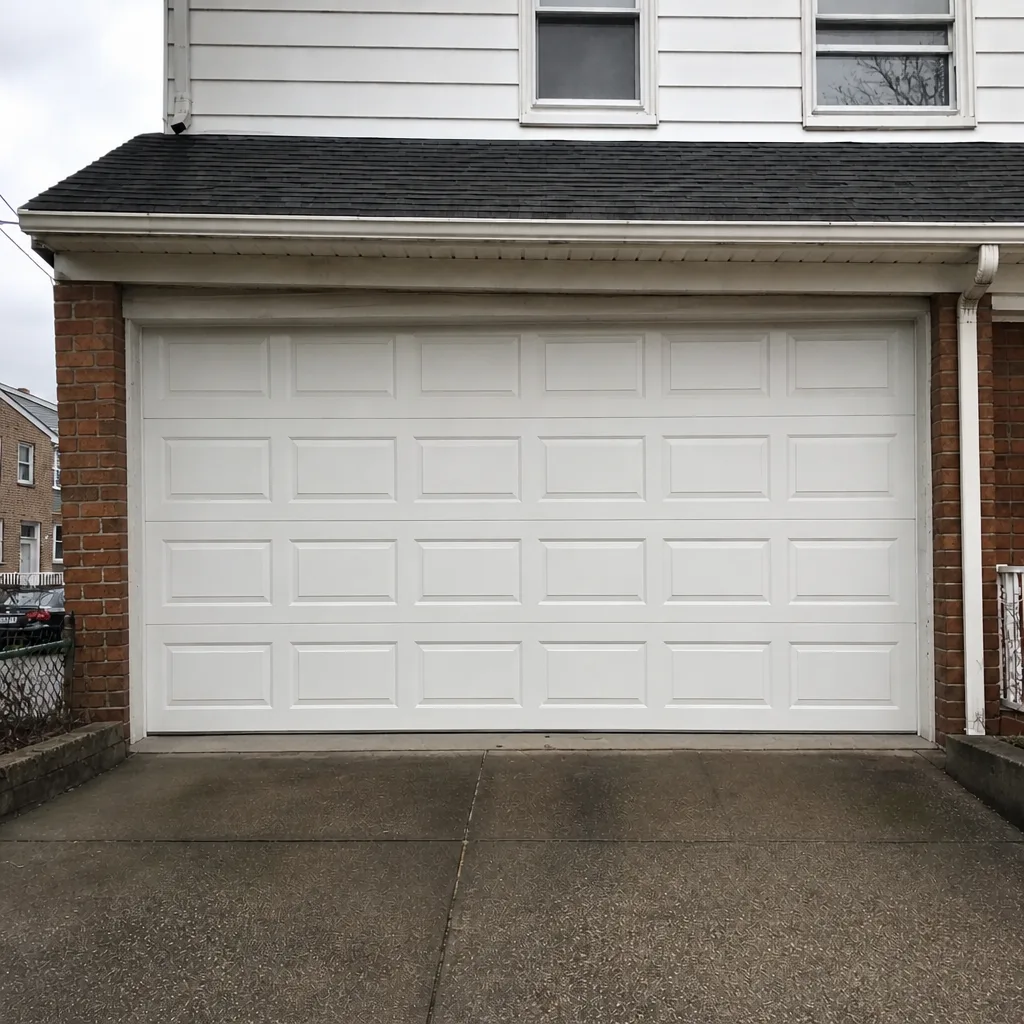 After
Common Mistakes to Avoid
- Booking on the phone price alone. A phone quote is an estimate without an inspection. The real number arrives after diagnosis, in writing. If a contractor promises you the exact price without asking the spring count, that price isn’t real.
- Skipping the license check. It takes under two minutes at the NYC DCWP online lookup. It’s the single most reliable filter in this market.
- Accepting a “one-price-all-in” quote on spring work. You can’t verify what’s being replaced, and the contractor can swap a lower-cycle spring without anyone noticing until it fails. Ask for the part spec.
- Assuming a third-party review screen is enough. Look for a name, an address, and a working license number. Interview the contractor, then decide.
- Letting a generalist work on a torsion system. “We do garage doors” is not the same as “we do garage doors every day.” The five questions flush this out in four minutes.
- Paying for a second visit before checking the first invoice. If the door comes back with the same symptom after the first repair, call back and reference the original written quote. Don’t book a fresh appointment with a new contractor until the first one has been given a chance to correct it.
- Ignoring a slow-then-stuck door. A door that’s been opening slowly for weeks and now won’t open at all is usually a failing spring or a bound cable. Ignoring the slow phase makes the repair more involved. Call when the symptom starts.
If you’re planning a new door rather than a repair, the same mistakes apply. A contractor who quotes a door without measuring the opening or confirming the weight spec is guessing. A written quote against your measured opening and your opener’s model is the standard.
When to Call a Professional
Some garage door problems are annoying. Others are safety issues or security problems that shouldn’t wait. Call a professional when a spring has snapped or a cable has come loose; when the door is crooked, off its tracks, or refuses to open; when the opener runs but the door doesn’t move; when the safety reverse has stopped working; when the door drops too fast or won’t stay up; when an attached garage door won’t close all the way, which turns the house’s security into an open question; and when any part of the system looks bent, loose, or mechanically wrong. Don’t try to lift a stuck door by hand to help it along. Don’t adjust spring tension. Those are the jobs that send people to the hospital.
For non-emergency work, a written quote and a scheduled appointment with a garage door specialist is the right move. Garage Door Repair Borough Park offers free estimates in Borough Park – call (888) 784-3292. We answer 24/7. Fast dispatch from 7am to 7pm, Sunday through Friday. The price is set per job by the written estimate, so you’ll know the number before anyone starts.
If the issue is electrical – opener beeps but won’t move, remotes stopped working, wall button dead – that’s garage door opener repair territory. Diagnostics first, then the part and the price in writing. Certifications on LiftMaster, Chamberlain, Genie, Clopay, Amarr, Wayne Dalton, Craftsman, and Raynor mean the technician already knows your brand before they arrive. If you’re at the screen-and-wait stage, our Garage Door Repair Borough Park page is the shortest path to a real answer.
Frequently Asked Questions
Ask for the contractor’s NYC Home Improvement Contractor (HIC) license number, then verify it through the NYC Department of Consumer and Worker Protection (DCWP) online license lookup. A licensed contractor gives you the number without hesitation; anyone who deflects is telling you something. It takes under two minutes and is the most reliable screen in this market.
Spring replacement is quoted per spring, so a matched pair usually runs about twice a single-spring price. The exact number depends on the make and gauge your door needs, which is why a written, itemized quote is the standard – not a phone price. The written estimate sets the final price. Call (888) 784-3292 for an exact quote – estimates are free.
Not always. Three quotes work when the quotes are apples-to-apples, and spring quotes rarely are – one contractor quotes a matched pair with a specified spring, another quotes a generic swap. One vetted specialist who writes an itemized quote and names the spring spec is usually the smarter call. Get three quotes for a full door replacement, where you’re comparing door styles and specs.
Yes, same-day service is a core part of what we do. Call (888) 784-3292. We answer 24/7. Fast dispatch from 7am to 7pm, Sunday through Friday. If the door has snapped a spring or come off its tracks, treat it as urgent – a stuck door is a security and access problem, not just an inconvenience.
No. The written estimate sets the final price. If the technician finds something unexpected mid-job – a bent cable, a worn drum – they should stop and re-quote before touching anything further. You approve the new number in writing before work continues. A price that appears on the invoice without a written quote behind it is not a fair quote.
The local pro is licensed and insured as their state requires, and you can verify the NYC HIC license through the DCWP lookup. Always ask for the license number and confirm it yourself before work begins. Ask for proof of insurance and workers’ comp as well. Our technicians have up to 8 years of experience working on the brand families we service, including LiftMaster, Chamberlain, Genie, Clopay, Amarr, Wayne Dalton, Craftsman, and Raynor.
The Bottom Line
Hiring a garage door contractor in Borough Park comes down to a handful of decisions. Verify the NYC HIC license. Ask the five questions to confirm you’re talking to a specialist rather than a generalist. Insist on a written, itemized quote that names the spring gauge, the opener part, and the labor. Skip the three-quote ritual on spring work; one vetted specialist with a written quote beats three shallow prices. And treat every spring or cable issue as a safety job, because it is. The right contractor isn’t the fastest or the cheapest – it’s the one who names the part, writes the number, and tells you plainly what not to touch. Your exact brand, serviced correctly, from a stuck door to a full replacement.
Call (888) 784-3292 for a free estimate. We answer 24/7. Fast dispatch from 7am to 7pm, Sunday through Friday. Price is set per job by the written estimate, agreed before any work starts.
Written by the team at Garage Door Repair Borough Park.