
Last updated November 21, 2026
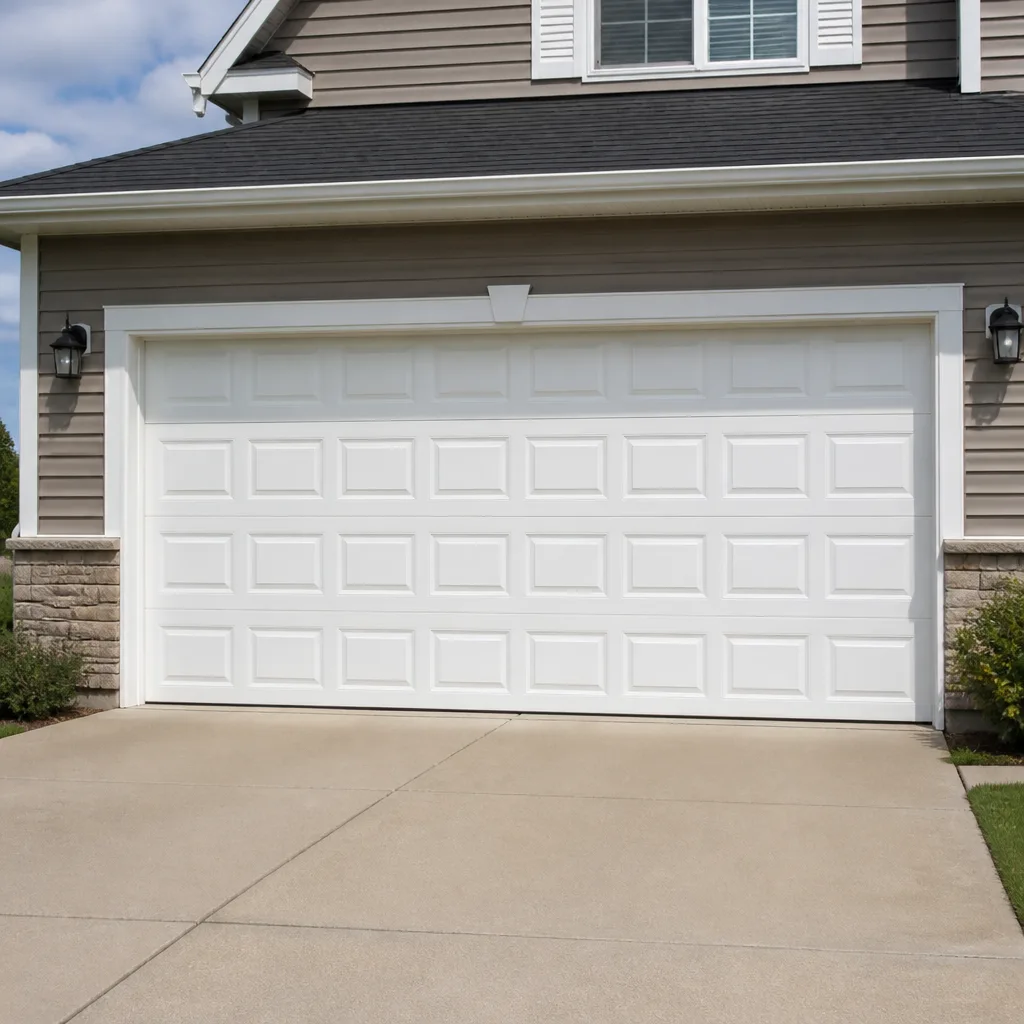 Raised-panel steel
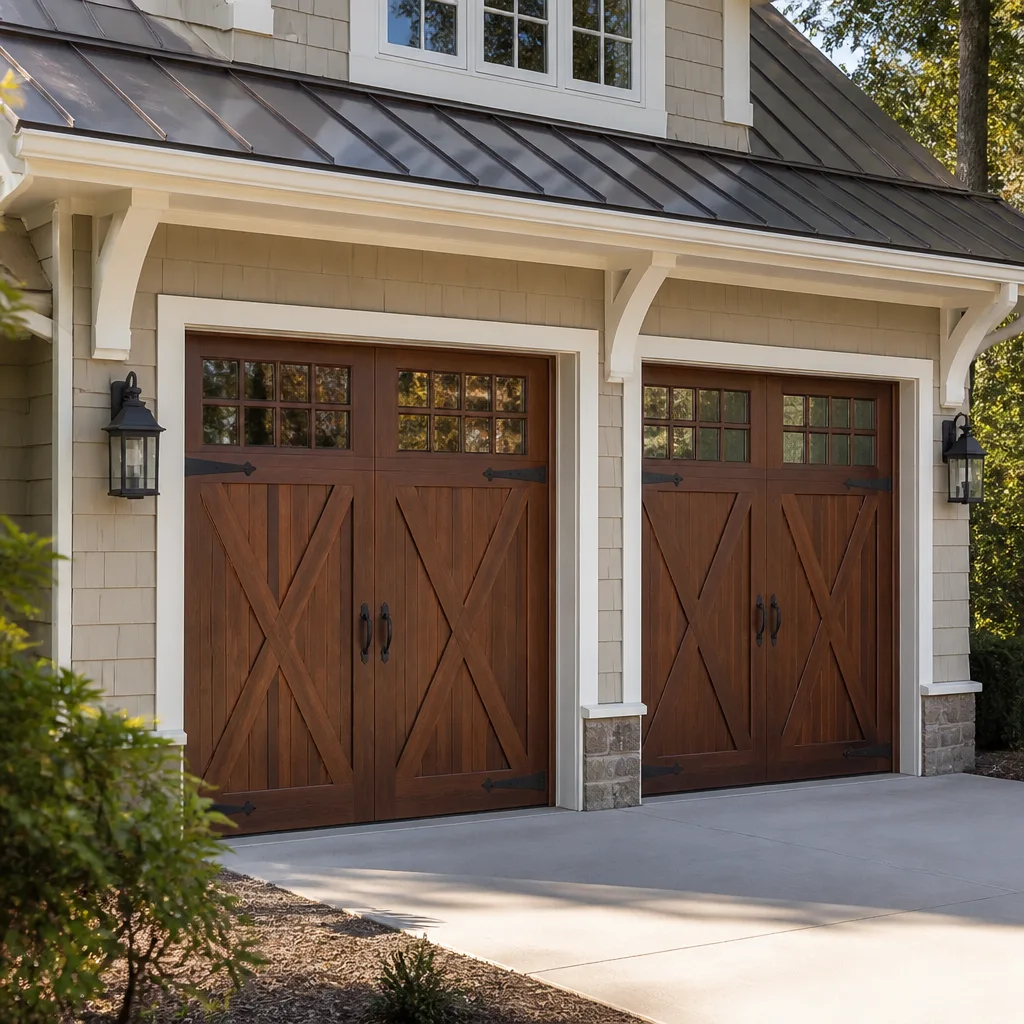 Carriage house
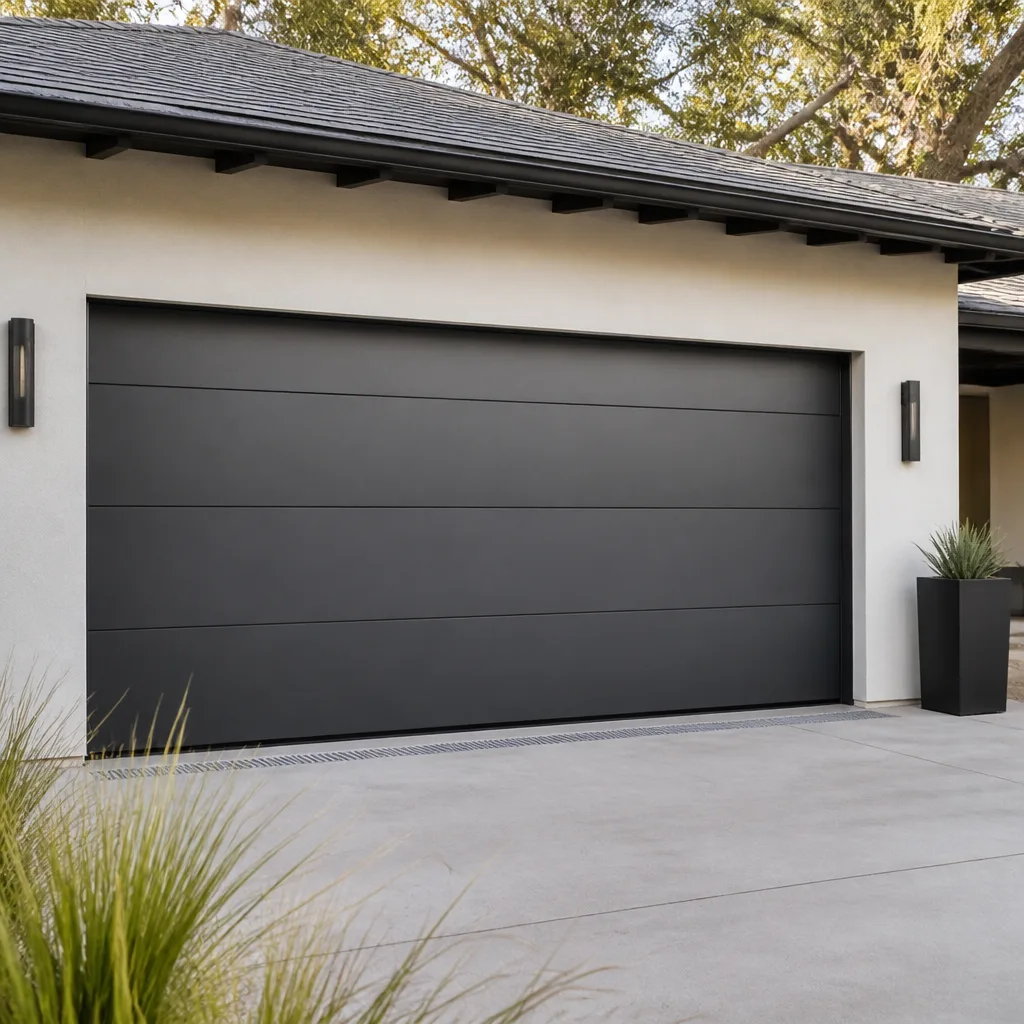 Modern flush
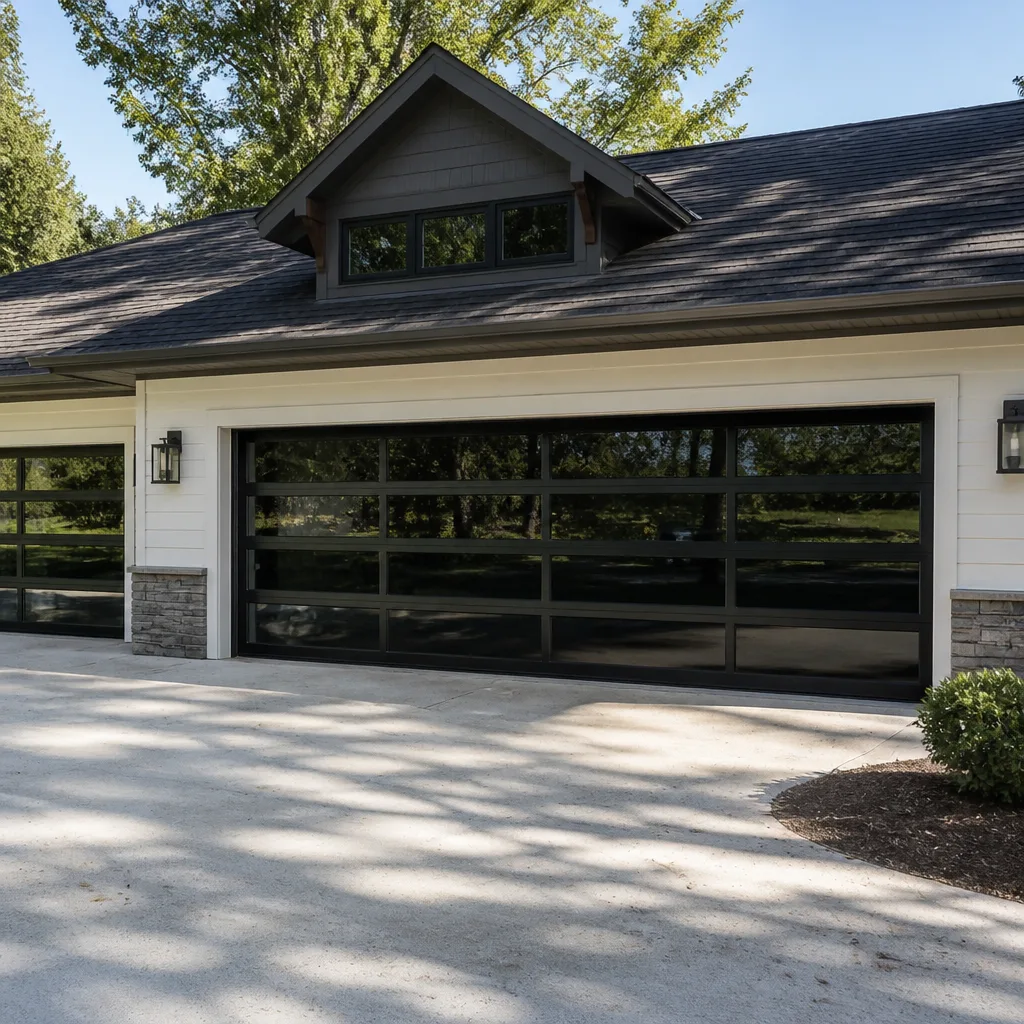 Full-view glass
 LiftMaster openers
 Chamberlain openers
Full 25-point door and opener safety check with every visit - springs, cables, rollers, tracks, and your LiftMaster or Chamberlain opener included
You get a price before we start. It does not change when the pro arrives.
Get your free estimateThe Complete Guide to Garage Doors in Borough Park
Most garage doors in Borough Park aren’t freestanding. They sit under living space, tucked into the ground floor of two- and three-story attached row houses where the parlor floor, bedrooms and kitchen all rest on the structure the door is built into. That changes the stakes. A failing spring, a bent track or a door that won’t close isn’t only an inconvenience. It’s an opening into the building and a mechanical problem directly beneath the floors people live on.
This guide covers what actually matters for doors in this neighborhood: how row-house construction limits width and headroom, why alley-facing garages need specific sealing and security, which opener drive types suit attached homes, and when a replacement crosses into NYC DOB permit territory.
Quick Answer
Garage doors in Borough Park are shaped by attached row-house construction: narrow openings, low headroom, shared walls and alley access. The right approach is a specialist assessment that measures the actual opening and clearance before anything is ordered, because a standard door size often won’t fit and a generalist quote will miss the constraints. Repairs like springs and openers can usually be handled the same day; replacements need a measure, a written price and lead time for the door to arrive.
Styles & brands we work with
- Raised-panel steel
- Carriage house
- Modern flush
- Full-view glass
- LiftMaster openers
- Chamberlain openers
Table of Contents
- How row-house construction changes garage door sizing
- Alley-facing garages: weather sealing and security
- Why a dedicated garage door specialist sees more
- Choosing an opener for attached homes
- Repair vs. replacement: NYC DOB permit triggers
- What garage door work costs in Borough Park
- Your exact brand, serviced correctly
- Keeping a Borough Park door working between visits
How row-house construction changes garage door sizing
In Borough Park, the garage is insert space. It was built into the footprint of a home that shares walls on both sides, and that shape sets hard limits no showroom catalog accounts for. The opening is often narrower than the standard 8 or 9 feet found in suburban construction, and the ceiling above the door is frequently lower because the first floor sits just overhead. Headroom is the measurement that trips up the most jobs. A door needs room for the torsion assembly and the door panels to travel up and back. When the ceiling is tight, the options narrow to a low-headroom torsion setup or a door that lifts and turns more compactly.
Width matters just as much. On the narrower lots, the clear opening between the masonry jambs may come in under 8 feet, which rules out most off-the-shelf doors. A proper measure takes the opening, the side clearance, the headroom and the backroom, not just the width of the door being replaced. Getting that wrong means a door that arrives too wide, doesn’t clear the tracks, or can’t be hung at all.
Attached construction also means the garage shares a wall and sometimes a floor with the rest of the home. The door and its hardware are effectively inside the building envelope, so the fit has to be tight: no gaps at the jambs, a bottom seal that meets the sloped or settled floor, and a balance that doesn’t shudder the wall it’s bolted to. When we assess a Borough Park door, the opening and the building around it get measured together because the door can’t be considered on its own.
If you’re weighing a replacement against a repair, the sizing question decides it. Some narrow or low-headroom doors are worth keeping and rebuilding around; others are past saving. A specialist will tell you which you’re looking at.
Alley-facing garages: weather sealing and security
Many Borough Park garages open onto an alley or a rear shared passage rather than a wide driveway. That orientation creates two jobs a front-facing suburban door never has to handle: sealing against driven rain and holding a secure line against the alley itself.
On sealing, the vulnerable points are the bottom and the sides. Alley paving is often uneven or slightly pitched, so a flat bottom seal leaves gaps. A threshold seal or a bottom rubber that conforms to the floor profile keeps water and debris out. Side jambs on older brick and masonry openings tend to be imperfect, which is where a stop molding and a well-fitted perimeter gasket earn their place. A door that seals poorly lets in rain, leaves and cold air, and it also rattles and drafts.
- Bottom seal: a conforming rubber that meets an uneven alley floor rather than hovering over it.
- Perimeter seal: stop molding and jamb gaskets to close the gaps around brick and masonry openings.
- Security: a sturdy lock, a reinforced bottom bracket and, on some doors, a strut to stiffen the panel against flexing.
- Light: alley-facing doors sit in shadow, so a well-placed exterior light near the opener’s safety sensors improves both visibility and the door’s defense.
Security on an alley door is about more than the lock. A door that lifts manually because the spring is weak or the opener is disengaged is easy to open. Keeping the balance and the lock in working order is the real security measure. On a dense block, an alley door that won’t close properly is the one gap a homeowner can’t afford to leave.
Why a dedicated garage door specialist sees more
A general contractor can hang a door, but the assessment is where the difference shows. A specialist reads the whole system at once: spring balance, track alignment, roller wear, hinge stress, opener force settings and the condition of the opening around it. A generalist tends to fix the visible problem and miss the cause.
Here’s what dedicated assessment catches that a broader trade often won’t:
- Worn rollers and hinges as a set. One noisy roller usually means the rest are close behind. Replacing them together prevents a repeat visit and protects the track.
- Track out of plumb. A door that binds or drifts often has a track knocked out of alignment. A specialist realigns it; a generalist may just adjust the opener and call it fixed.
- Spring balance measured, not guessed. The right spring is matched to the door’s weight. A mis-matched spring wears out fast and strains the opener.
- Opener force and travel set correctly. Force set too high masks a binding door and stresses the motor. Set correctly, it lets the safety reverse work as it should.
- The opening itself. Jambs, header and floor all affect how a door sits. A specialist checks them before blaming the door.
In our experience, most “the opener is broken” calls in Borough Park turn out to be a door problem the opener was fighting. Fixing the door often fixes the opener. That’s the value of a single-trade focus: every tool and every part is aimed at the door and its system, not spread across unrelated work. And because we work on the door you have, the first question is what’s actually wrong with it, not what to sell you.
When something fails, the priority is getting you back up and running today. For a stuck door or a snapped spring, that’s a genuine safety and access issue, not a sales opportunity.
Choosing an opener for attached homes
Borough Park’s attached homes share walls, so opener noise travels. The drive type you choose matters less for lifting power and more for how quietly it runs through the structure above the garage.
- Belt drive: the quietest option. A steel-reinforced belt replaces the metal chain, so there’s no chain slap and far less vibration into the shared wall. For a bedroom directly above the garage, this is usually the right call.
- Chain drive: durable and the most common. It’s noisier than belt, but a well-installed chain drive with a solid, well-balanced door is acceptable in many attached homes.
- Jackshaft (side-mount): mounts on the wall beside the door and turns the torsion bar directly. It frees up the ceiling and suits low-headroom garages where a ceiling-mounted unit won’t fit or would sit awkwardly under the floor above.
Noise also comes from installation, not just the drive. A properly isolated motor, tight track bolts and a balanced door do more for quiet operation than the opener spec sheet alone. The safety reverse and the photo-eye sensors are non-negotiable on any opener in a home with children or pets nearby.
We’re factory-trained across eight brands, including LiftMaster, Chamberlain, Genie, Craftsman and Raynor, so the opener you already own gets the right parts and settings rather than a generic replacement. If your opener is failing, garage door opener repair can often solve it without a new unit. If you’re starting fresh with a system that fits your home, a specialist will match the drive type to your headroom and noise constraints.
Repair vs. replacement: NYC DOB permit triggers
Here’s the line homeowners in Borough Park ask about most: when does a garage door job need a permit from the NYC Department of Buildings. The short answer is that repairs generally don’t, and a full replacement often can, but the exact trigger depends on the scope and the structure. Ask the city’s building department before you commit, and get the answer in writing for your address.
A repair that swaps like for like, a spring, an opener, rollers, a section, or a realigned track, is a maintenance job. A replacement that changes the door, the opening, the header or the structural framing is a different category, and that’s when permits and inspection typically enter the picture. Because these garages are built into the structure of an attached home, anything that touches the header or the framing is structural work, not just a product swap.
- Confirm the scope. Is this a repair of existing components or a replacement of the door and its supporting structure?
- Ask the DOB. The city’s building department is the authority for your specific address and scope. Confirm whether a permit and inspection apply.
- Get it in writing. Keep a record of the guidance you receive so the work is documented.
- Build it into the schedule. If a permit is required, that time gets planned into the installation, not squeezed around it.
For a replacement, the process is measured and scheduled, not rushed. A free measure and a written price come first, then the door is ordered and the installation is planned around any permitting that applies. We don’t promise same-day turnaround on a new door because the measure, the order and the schedule all take real time. What we do promise is that the price is quoted and agreed before any work starts.
What garage door work costs in Borough Park
Cost depends on the door, the headroom and the condition of the opening, but the line items below give you a realistic picture of typical ranges for Borough Park. Treat them as estimates. The written quote is the price, and we quote and agree it before anything is touched.
| Job | Typical estimated range |
|---|---|
| Torsion spring replacement (one spring) | $180 – $340 |
| Matched spring pair (replaced together) | About twice the single-spring range |
| Opener repair (motor, gear, sensor, logic board) | $150 – $350 |
| New opener installed (belt or chain) | $350 – $750 |
| Roller and hinge replacement (full set) | $120 – $280 |
| Track realignment | $120 – $260 |
| Bottom seal and perimeter seal | $120 – $300 |
| New door installation | Depends on door, size and headroom; measured and quoted per job |
Springs are priced per spring. A matched pair is usually replaced together, so a pair costs about twice the single-spring range. On a narrow or low-headroom Borough Park door, the sizing and the seal work can add to a replacement, which is why the measure comes before the number. If you’ve been quoted a flat figure sight-unseen, the real price is the one that appears after the opening and headroom are checked.
Call (888) 784-3292 for an exact quote. Estimates are free. We answer 24/7, with fast dispatch from 7am to 7pm, Sunday through Friday.
Your exact brand, serviced correctly
Not every door and every opener fails the same way, and the parts and techniques differ by brand. We’re factory-trained across eight major brands, including Clopay, Amarr, Wayne Dalton and Craftsman, so your system gets the right approach instead of guesswork.
Clopay and Amarr doors are common in residential settings and each has its own panel and hardware profiles. Wayne Dalton uses proprietary spring and track designs in some lines, which is where knowing the brand saves a wasted trip and a wrong part. Craftsman openers, often installed years ago on attached-home garages, have their own logic boards and force adjustments. Being fluent across these means we don’t spend a visit figuring out your system on-site. We work on the door you have and service your exact brand correctly.
When a new door is the right answer rather than a repair, garage door installation covers the full replacement, measured for your opening and headroom. And for the repair side, garage door repair handles everything from a snapped spring to a door off its track.
Keeping a Borough Park door working between visits
A garage door is the largest moving part of a house, and in an attached Borough Park home it runs constantly. A few low-risk habits stretch its life and catch problems before they strand you.
- Test the safety reverse monthly. Put a solid object in the door’s path and confirm it reverses on contact. If it doesn’t, stop using it and get it checked.
- Listen for changes. A door that gets louder, louder-jerkier or slower is telling you something. Rattles often mean loose hardware or worn rollers.
- Keep the tracks clean. Wipe the tracks free of grit and debris so the rollers run smoothly. Don’t grease the tracks themselves; that attracts dirt.
- Watch the balance. Disconnect the opener and lift the door by hand. If it won’t stay partway open, the springs are wearing and need attention.
- Keep the perimeter sealed. On an alley-facing door, a worn bottom seal is the first sign of a water and draft problem.
Some jobs stay safely in homeowner territory: cleaning, listening, testing the reverse and keeping the seal in good order. Others don’t. Springs are a safety job. The torsion spring and the cables that hold the door’s weight are under extreme tension, and a spring or cable that fails during handling can cause serious injury. Never attempt to adjust, release or replace a spring or cable yourself. Leave that to a trained professional. If your door is stuck, unsecured or making a noise that worries you, that’s the point to call.
Common Mistakes to Avoid
- Ordering a standard-size door before measuring. Borough Park’s row-house garages often fall outside standard width and headroom. Buy after the opening is measured, not before, or you’ll be stuck with a door that won’t hang.
- Treating an opener problem as the whole problem. A binding door overloads the opener. Fix the door and the opener often recovers; replace only the opener and the new one fails too.
- Ignoring the bottom seal on an alley door. An uneven alley floor needs a conforming seal. A flat one leaves gaps that let in water and cold air and rattle in the wind.
- Assuming a replacement needs no permit. Repairing existing components is usually straightforward; a replacement that touches structure may need NYC DOB approval. Ask the building department for your address before you commit.
- Choosing the loudest convenient opener. In a shared-wall home, chain slap travels. Belt drive or a side-mount jackshaft often suits better, especially over bedrooms.
- Handling springs or cables yourself. These are under extreme tension and are genuinely dangerous. A trained professional with the right tools is the only safe route.
- Trusting a sight-unseen flat price. On a narrow or low-headroom door, the real scope only shows after the opening is checked. Get a written estimate that reflects the actual measure.
See the difference
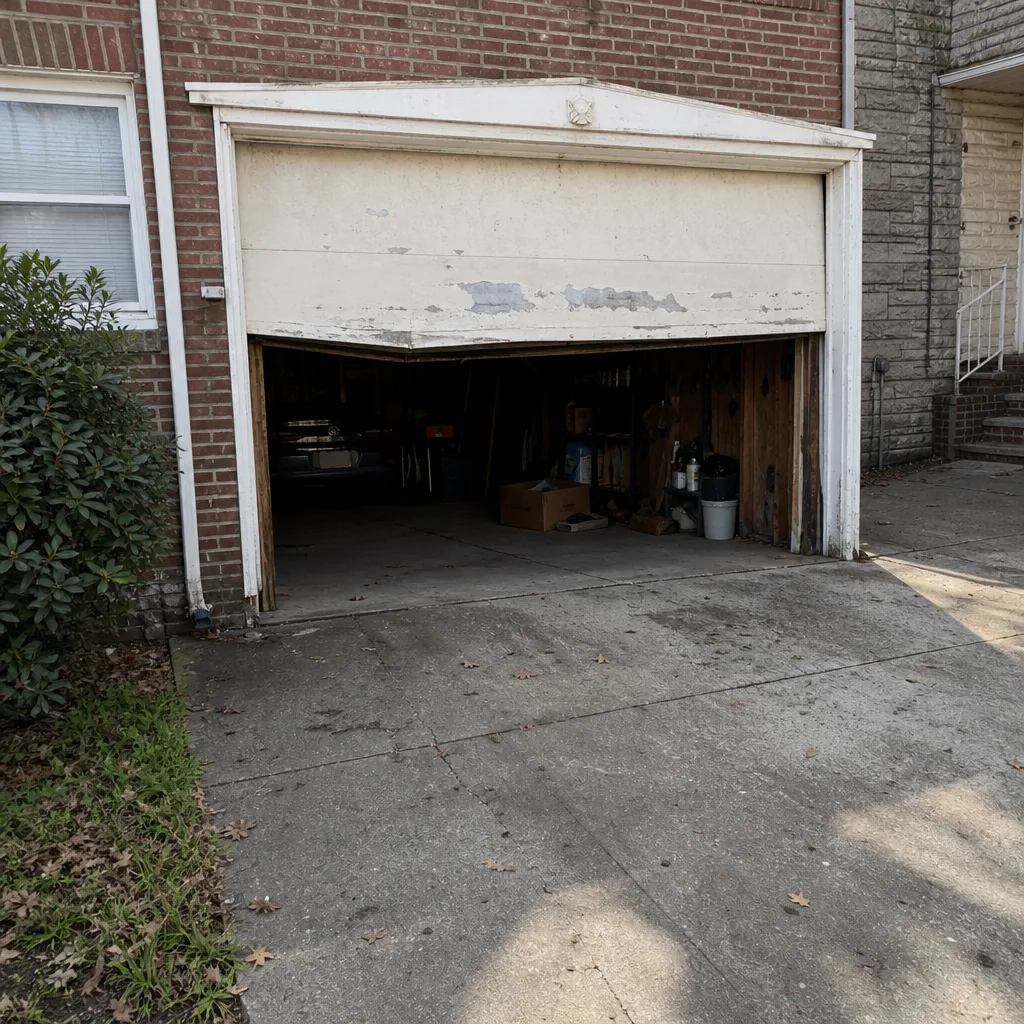 Before
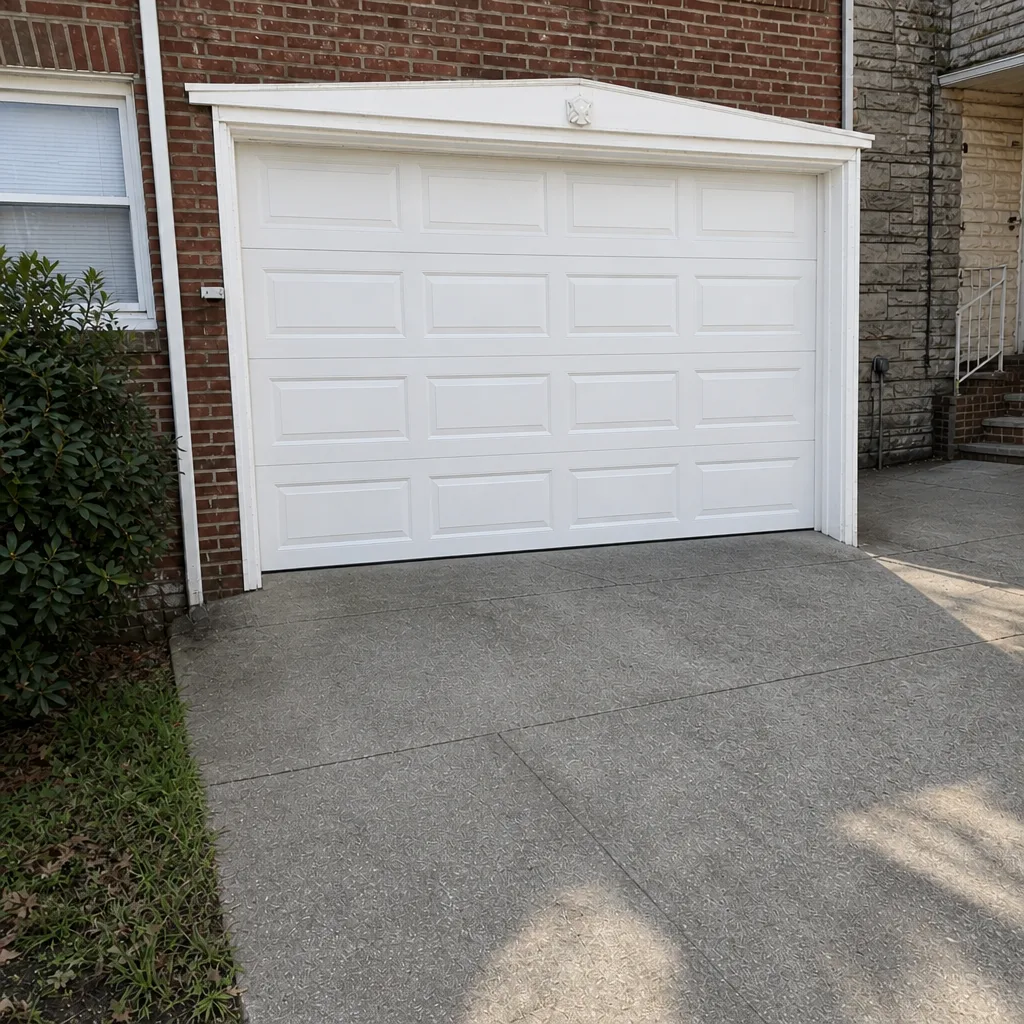 After
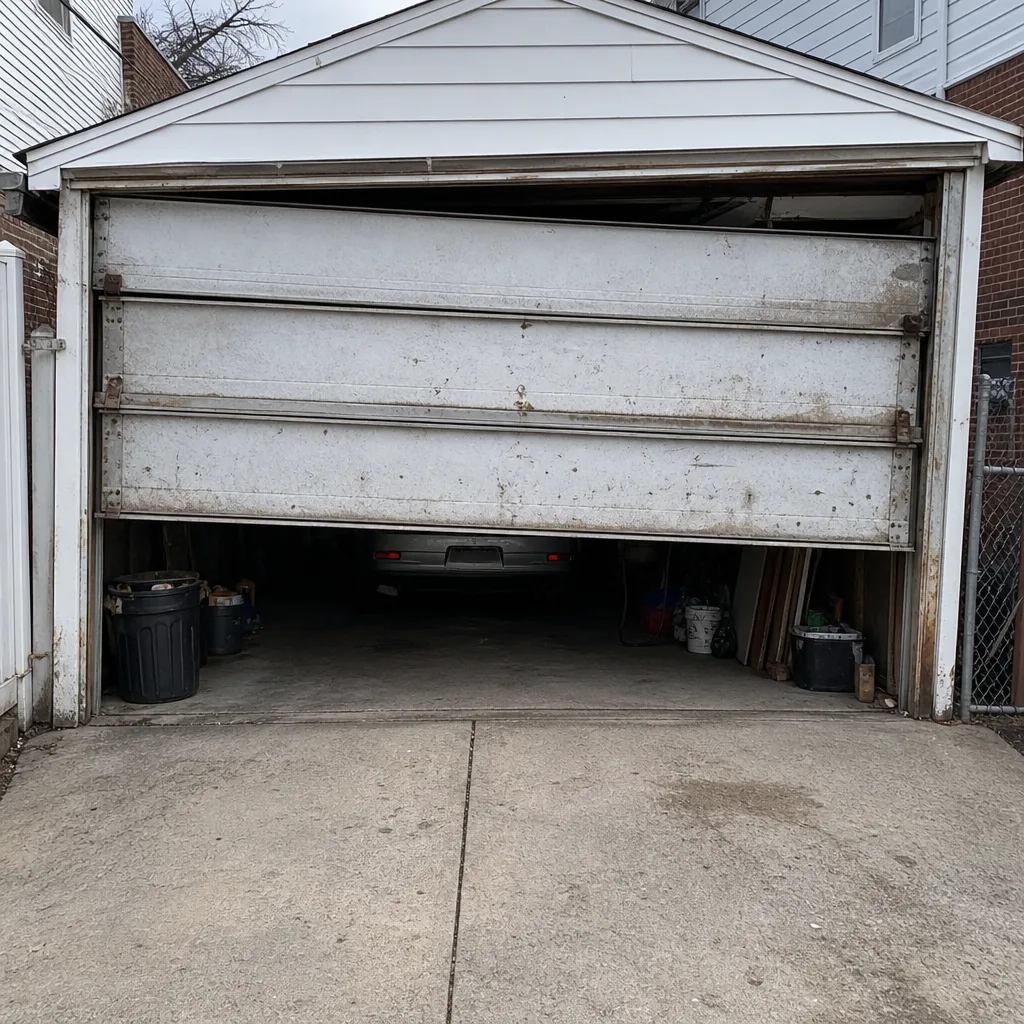 Before
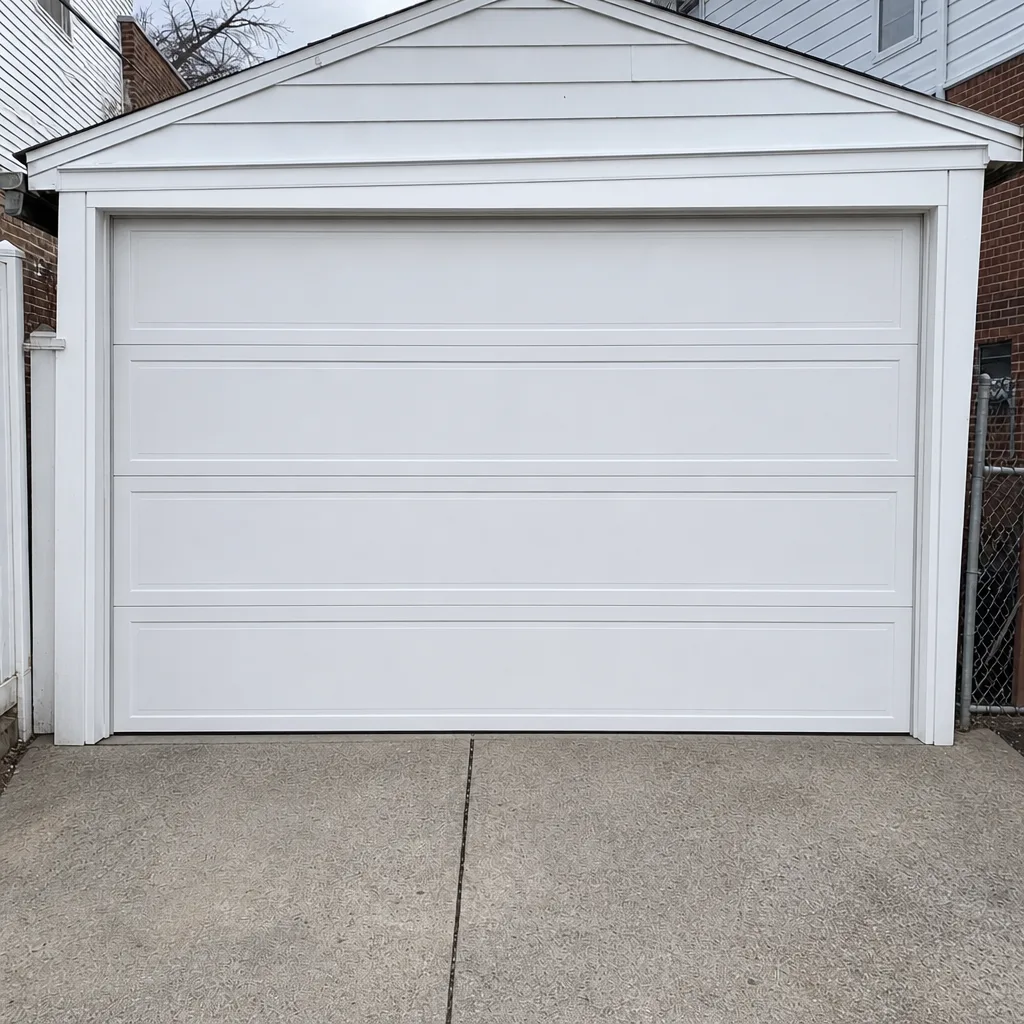 After
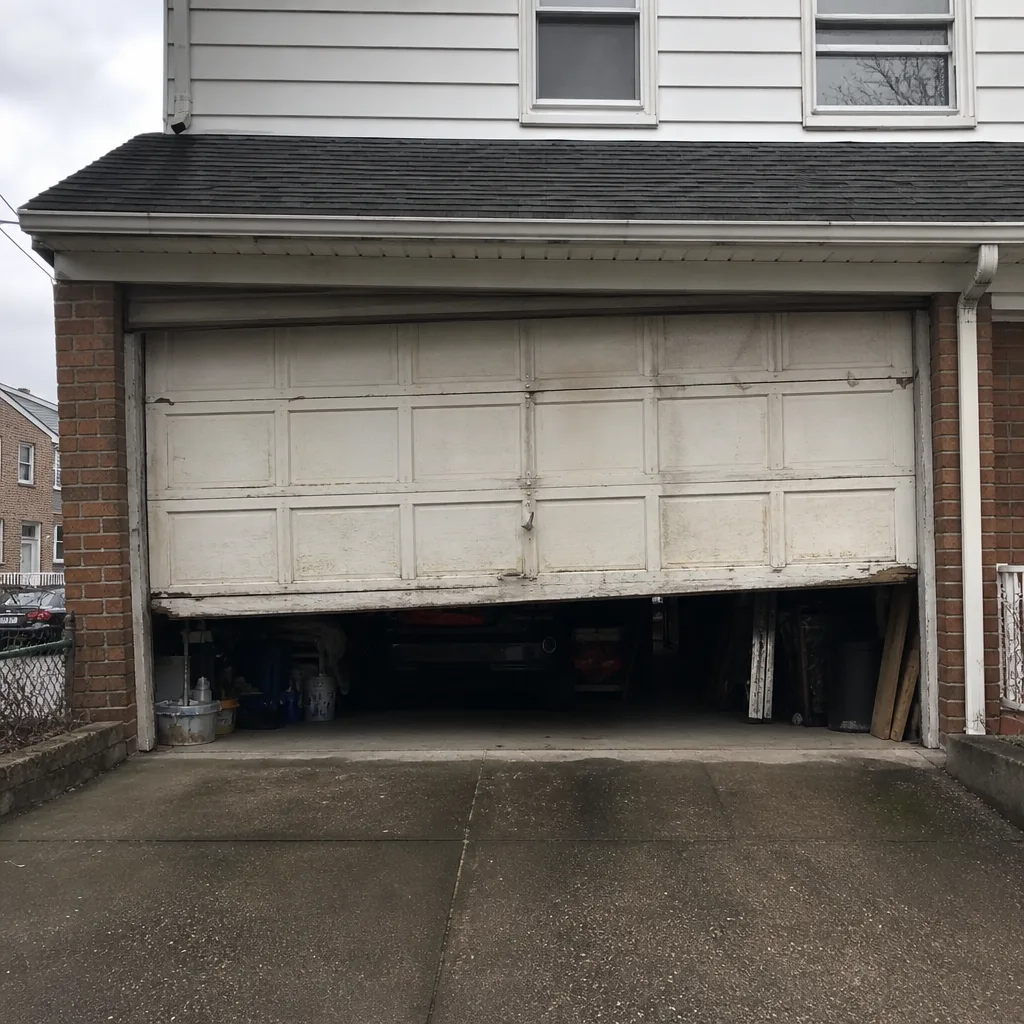 Before
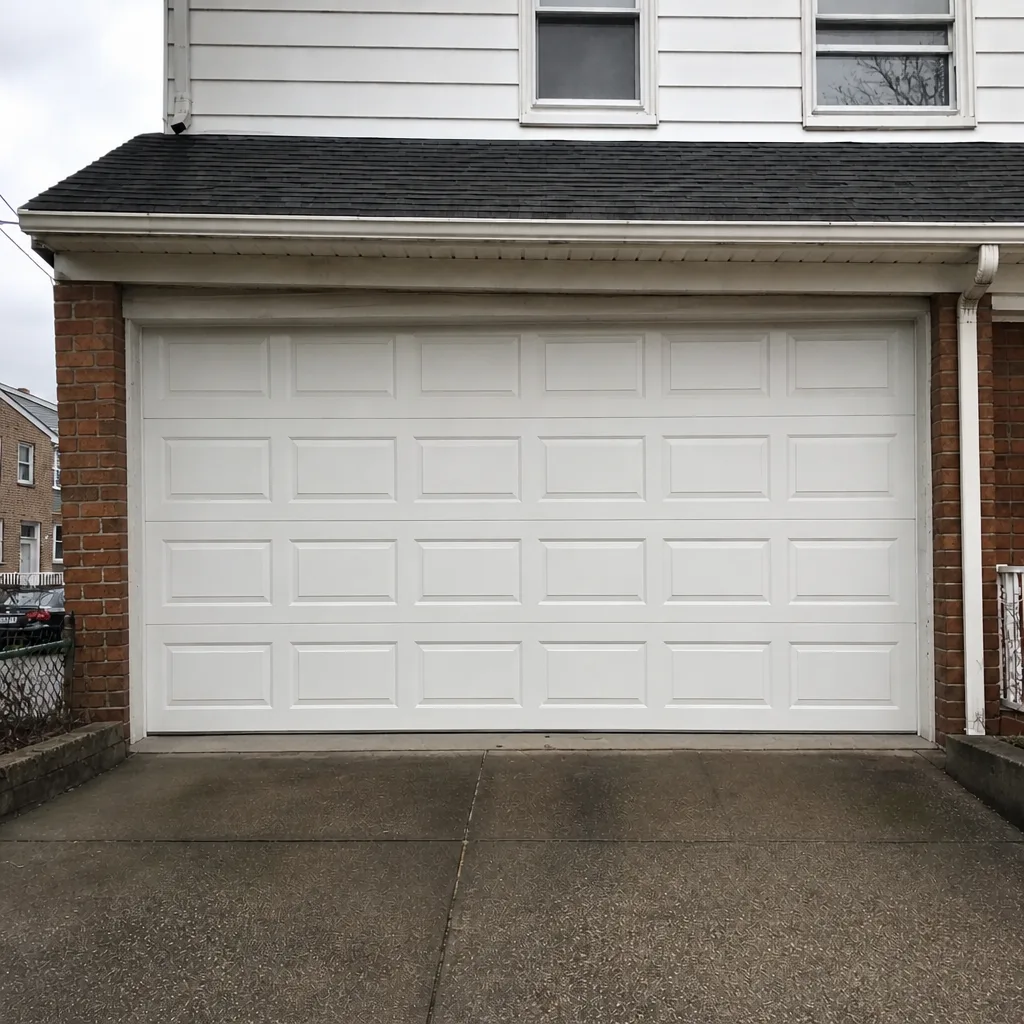 After
When to Call a Professional
Call a professional when a spring snaps, a cable goes slack, the door comes off its track, or the door won’t close and leaves the home unsecured. Call when the opener reverses at random, the door jerks or binds, or a noise gets louder each day. Call before ordering a replacement, so the opening and headroom are measured properly and the permit question gets answered. And call if you’re tempted to touch the springs or cables, because that’s a safety job, not a homeowner one.
For the routine stuff, our technicians have up to 8 years of experience and will tell you honestly whether you’re looking at a repair or a replacement. Garage Door Repair Borough Park offers free estimates in Borough Park. Call (888) 784-3292. We answer 24/7. Fast dispatch from 7am to 7pm, Sunday through Friday.
Frequently Asked Questions
Yes, for repair and emergency work we can often respond the same day. We answer 24/7, with fast dispatch from 7am to 7pm, Sunday through Friday. A call outside dispatch hours is booked into the next opening. Call (888) 784-3292 for an exact quote; estimates are free.
Spring repair typically runs $180 to $340 per spring, and a matched pair is usually replaced together, so a pair costs about twice that. The written quote is the final price, and we agree it before any work starts. Call (888) 784-3292 for an exact quote; estimates are free.
No. The written estimate is the price, and it’s quoted and agreed before any work begins. On a narrow or low-headroom Borough Park door, the measure comes first because the scope depends on the opening, not a flat guess. Call (888) 784-3292 for an exact quote; estimates are free.
It depends on the scope. Repairs that swap like-for-like usually don’t need one, but a replacement that touches the door, opening or structure may require NYC DOB approval. Ask the city’s building department for your address and get the answer in writing before you commit.
A door sized to your actual opening, not the catalog standard. Many Borough Park garages come in under 8 feet wide with low headroom, which calls for a custom-width door and a low-headroom torsion setup. The measure decides the door type.
A belt drive is the quietest, and a side-mount jackshaft suits low-headroom garages where a ceiling unit won’t fit. Proper installation and a balanced door do as much for quiet as the drive type. We service LiftMaster, Chamberlain, Genie, Craftsman, Raynor and the other brands, so yours gets the right fit.
The Bottom Line
Borough Park’s attached row houses set the rules for every garage door here. Narrow openings, low headroom, alley access and shared walls mean the measure comes first and the standard-size shortcut doesn’t work. Repairs like springs and openers can usually be handled the same day; replacements need a measure, a written price and a schedule. Get the opening checked, ask the building department about permits, and leave the springs to a specialist. The written estimate sets the price, and we agree it before work starts.
Whether you’re facing a stuck door, a tired opener or a full replacement, the first step is a free estimate. Call (888) 784-3292 today. We answer 24/7. Fast dispatch from 7am to 7pm, Sunday through Friday. You can also start with Garage Door Repair Borough Park for the full picture of how we work.
Written by the team at Garage Door Repair Borough Park.