
Last updated November 21, 2026
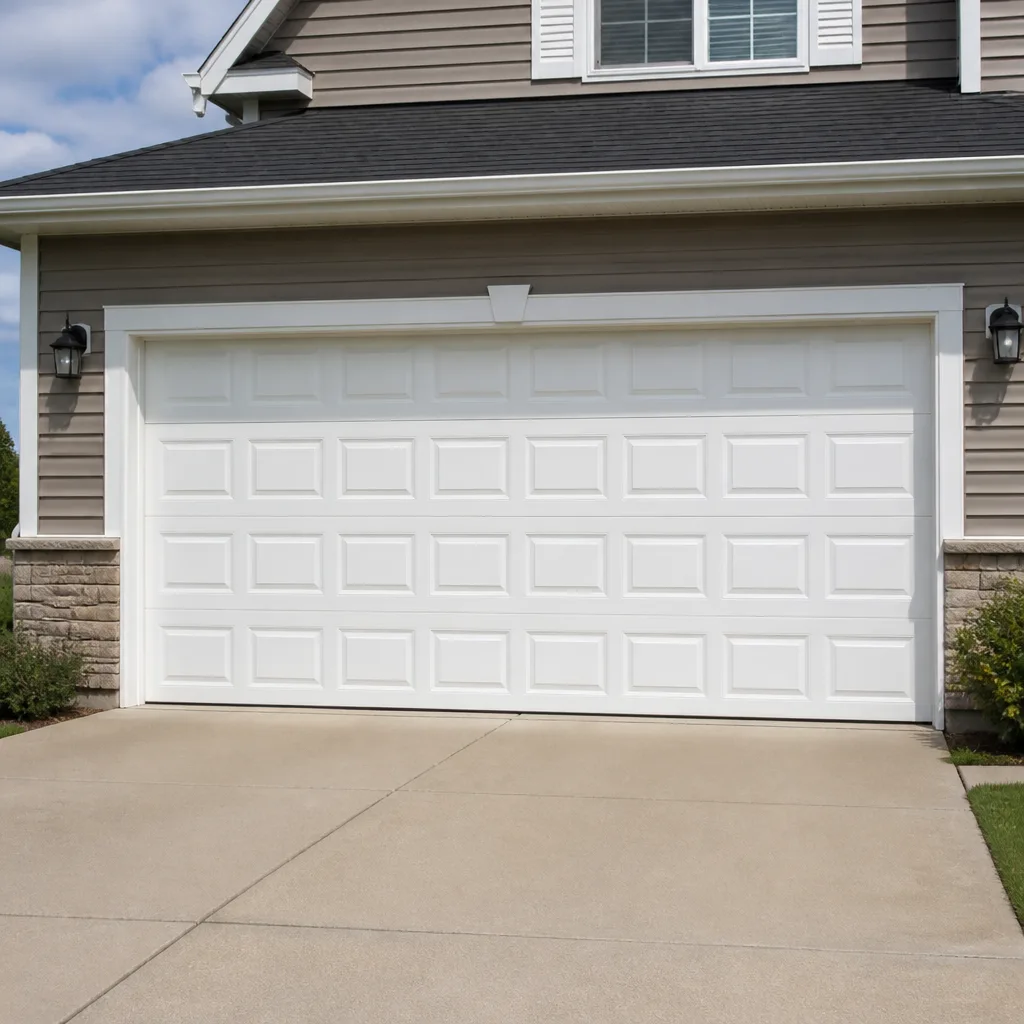 Raised-panel steel
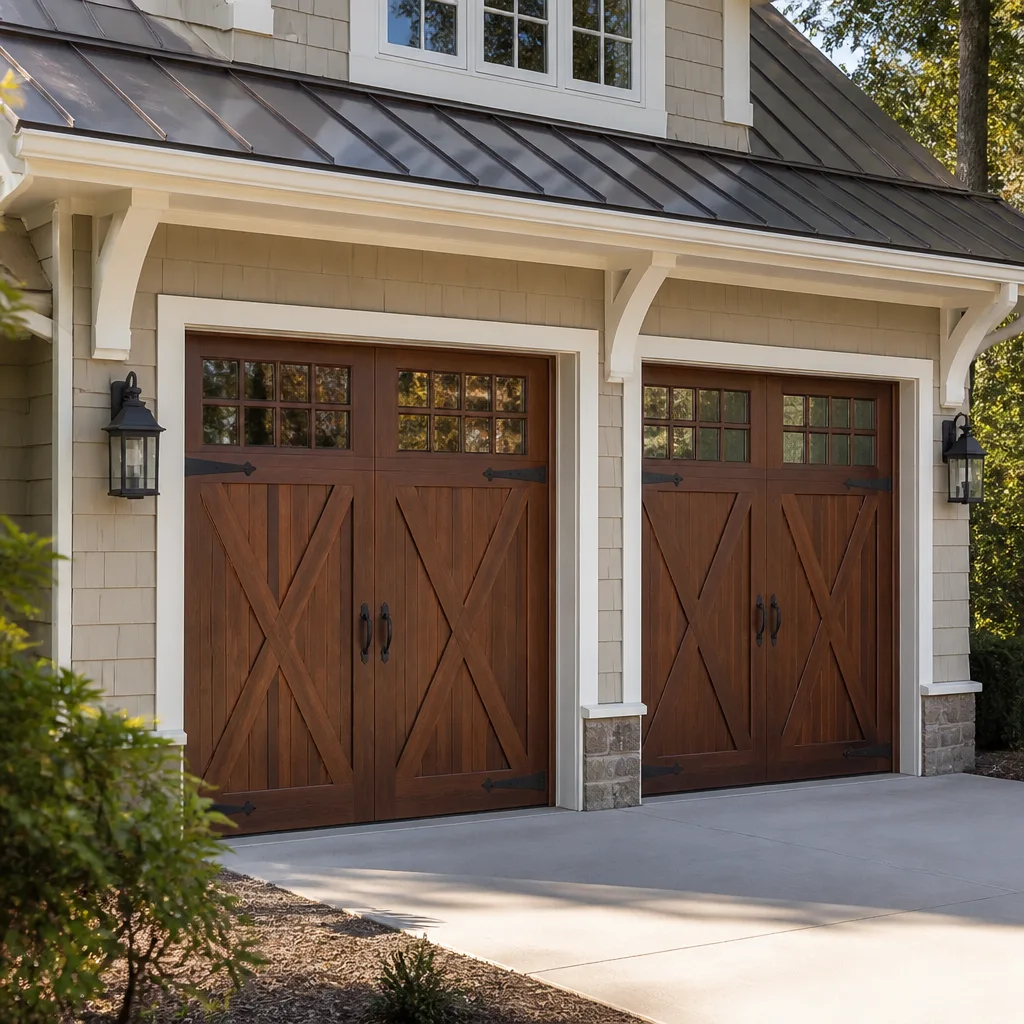 Carriage house
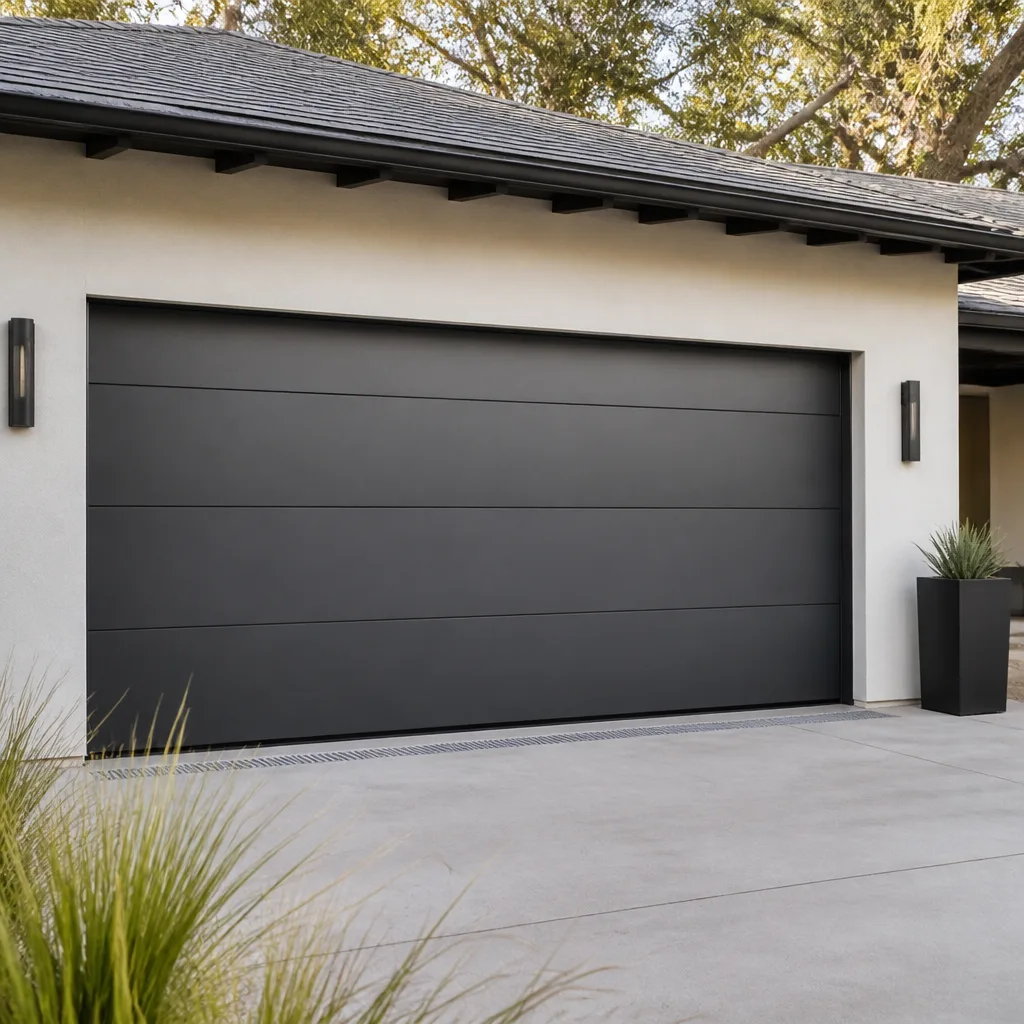 Modern flush
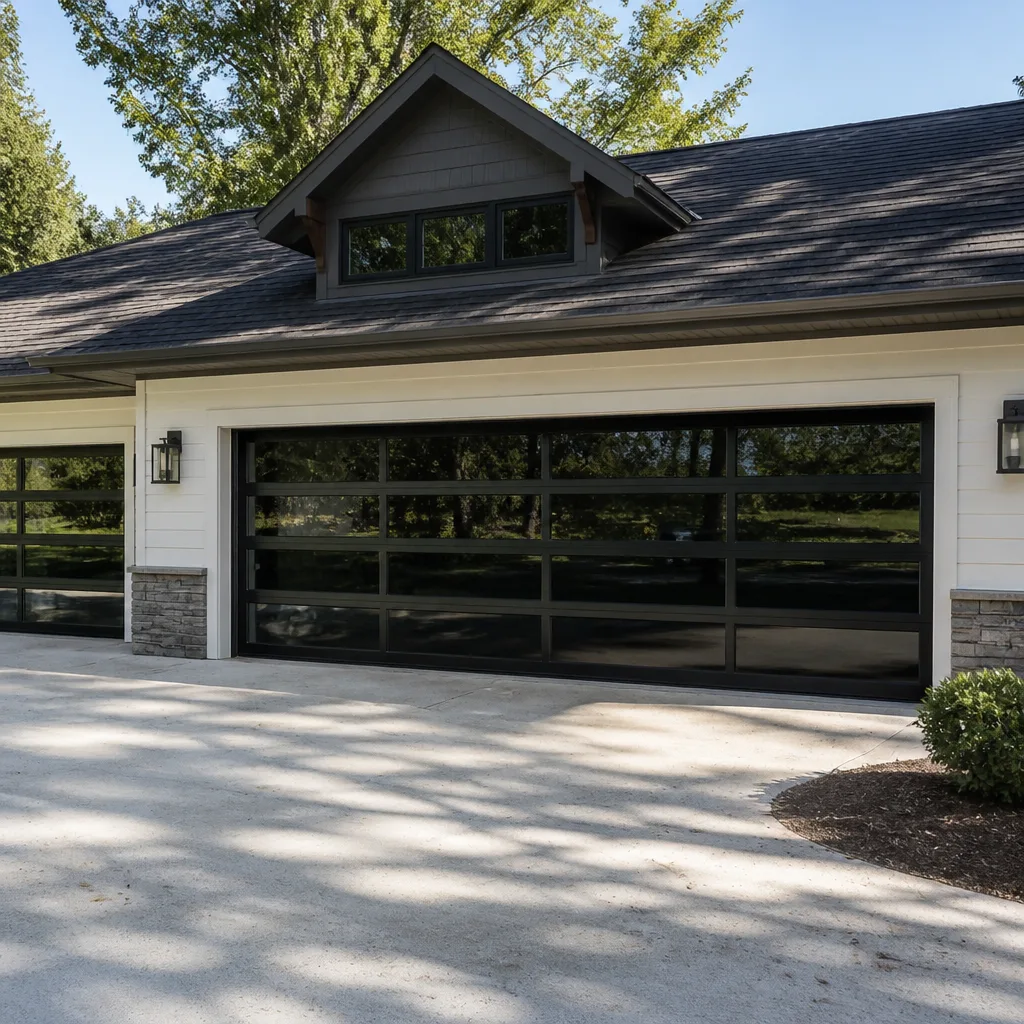 Full-view glass
 LiftMaster openers
 Chamberlain openers
Full 25-point door and opener safety check with every visit - springs, cables, rollers, tracks, and your LiftMaster or Chamberlain opener included
You get a price before we start. It does not change when the pro arrives.
Get your free estimateGarage Door Permits, Codes & Inspections in Borough Park, NY: What You Need to Know
Every week we talk to Borough Park homeowners who are planning a new door and have one question they think they already know the answer to: “My contractor said I don’t need a permit, right?” Sometimes they’re right. Often they’re not. What surprises people most is that the permit question has nothing to do with whether you’re repairing or replacing a door. It’s about what the project changes. A straight swap of a same-size door is usually ordinary maintenance. A new opening, an opener on a previously manual system in certain building types, or a door tied into a larger renovation can pull in the NYC Department of Buildings. And “my contractor said it’s fine” is not documentation. A paper trail is. In this guide we’ll walk through when a permit is required, how the NYC Energy Conservation Code applies to insulation, fire separation rules in Borough Park’s row houses, and how to check a property’s open permits and violations before you start.
Quick Answer
In Borough Park, a like-for-like garage door replacement that keeps the same opening size, the same header, and the same system type is generally treated as ordinary maintenance and does not require a DOB permit. Any project that changes the opening, adds a powered opener to a manual system in certain building types, or forms part of a larger renovation usually does require one. The safest path is to ask the NYC Department of Buildings, or a licensed filing professional, before work starts, not after. Insulation values on new doors fall under the NYC Energy Conservation Code, and permit records travel with the property, so unpermitted work can surface years later during a sale or a claim.
Styles & brands we work with
- Raised-panel steel
- Carriage house
- Modern flush
- Full-view glass
- LiftMaster openers
- Chamberlain openers
Table of Contents
- When Does a Garage Door Project Need a NYC DOB Permit?
- Ordinary Maintenance vs. a Permitted Project
- Openers, Electrical Work, and the Permit Line
- How the NYC Energy Conservation Code Affects New Doors
- Fire Separation in Borough Park Row Houses
- Open Permits and Violations Before You Start
- What Happens at a Home Sale or Insurance Claim
- A Pre-Project Checklist for Borough Park Homeowners
When Does a Garage Door Project Need a NYC DOB Permit?
There’s no single line in the NYC construction codes that says “garage doors need a permit.” The permit question is decided by the scope of the project and the type of building, which is why two neighbors on the same block in Borough Park can get different answers for what feels like the same job. The Department of Buildings cares about structural changes, changes to means of egress, and changes to fire separation. Repairing or replacing a door in an existing opening is normally outside that list. Moving the opening isn’t.
These are the situations where we tell homeowners to pick up the phone and confirm with the DOB before anyone orders a door:
- The opening changes in any dimension. Widening, raising the header, or converting a window or wall section into a garage opening is a structural alteration.
- The door type changes fundamentally. Swapping a manual door for a powered sectional, or a roll-up for a swing-out, can change how the assembly is classified.
- An opener is added to a manual door in certain building types. This is the one that catches people off guard. Electrical work and the way the door is classified can both come into play.
- The door is part of a larger renovation. New framing, a new slab, a rear extension, or a curb cut almost always pulls the door into the permit set.
- The building’s use or occupancy is changing. Converting a garage to living space, or the reverse, is a use change and always needs review.
Notice that “the old door was ugly” and “the new one is insulated” are not on the list. Aesthetics and insulation alone don’t trigger a permit. What triggers it is what you’re doing to the building. When in doubt in Borough Park, one call to the DOB or a licensed expediter settles it in minutes and costs nothing compared to unwinding a violation later.
Ordinary Maintenance vs. a Permitted Project
Most garage door work we’re asked about in Borough Park falls on the maintenance side of the line. Replacing a broken spring, swapping a worn roller, changing a bent section, or replacing a same-size door is typically maintenance in the eyes of the code. The door has to come out and go back into the same opening it came from, and everything around it has to stay put. If you can describe the job as “put a new version of the same thing in the same hole,” you’re probably in maintenance territory.
Here’s the comparison we walk Borough Park homeowners through, because it makes the difference obvious:
- Ordinary maintenance (usually no permit): spring replacement, cable and roller service, opener repair or a like-for-like opener swap, a same-dimension door replacement, sealing and weatherstripping, and refinishing.
- Permitted project (confirm with DOB): changing opening dimensions, adding a new opening where there wasn’t one, structural header work, converting a garage to habitable space, adding a powered opener to a manual door in certain building types, and any door installed as part of a larger renovation.
- Always a licensed professional, permit or not: anything involving springs, cables, or the counterbalance system. Those parts hold enough stored energy to injure someone badly, and they’re the reason we treat every spring job as a safety job.
One more thing about the maintenance side. “No permit required” doesn’t mean “no paperwork helpful.” Keep the invoice and the manufacturer’s spec sheet for the new door. If a buyer’s attorney or an insurance adjuster asks what was installed and when, that document answers the question. When we handle a straightforward Garage Door Repair Borough Park, the written estimate and the job record serve exactly that purpose.
Openers, Electrical Work, and the Permit Line
Adding a powered opener to a garage door that’s been manual for decades is one of the most common upgrades in Borough Park, and it’s also where the permit question gets murkiest. A like-for-like opener replacement, where a motorized door stays motorized and the unit is swapped for a comparable one, is generally maintenance. Adding power to a door that never had it introduces a new electrical circuit, a new outlet or hardwired connection, and a change in how the door operates. In certain building types, that’s enough to require review.
Our position is simple: confirm the scope before a tech arrives, not after. Here’s the order of operations we recommend for a Borough Park homeowner adding an opener:
- Describe the existing door accurately. Manual or powered, sectional or one-piece, and whether the door serves a garage or a converted space.
- Ask the DOB or a filing professional whether an electrical permit or a building permit applies to your building type and scope.
- Use a licensed electrician for any new circuit. Opener wiring is not a handyman job, and it’s a fire safety issue, not a convenience one.
- Match the opener to the access. A door at the rear of a lot in Borough Park sees more wind load than a door tucked under a porch, and a correctly rated opener and door balance handle that better.
Once the permit question is settled, the repair and installation side is our trade. We service LiftMaster, Chamberlain, Genie, Clopay, Amarr, Wayne Dalton, Craftsman, and Raynor equipment, so whether the call is a garage door opener repair or a fresh install, the tech arrives knowing the system instead of learning it on your driveway. Our technicians have up to 8 years of experience across those brands.
How the NYC Energy Conservation Code Affects New Doors
New York City’s energy code applies to new doors and to replacement doors in certain cases, and it’s the rule most borough homeowners have never heard of. The code sets minimum thermal performance for the building envelope, and a garage door on an attached or heated structure is part of that envelope. In practice, this means the door you choose has to meet the code’s requirements for its location, not just look right and fit the opening.
What we tell Borough Park homeowners before they shop:
- Insulation rating matters when the door shares a wall with living space. An uninsulated door next to a heated room is a cold surface and a condensation problem. An insulated Clopay or Amarr door, correctly specified, addresses both.
- The code value depends on the assembly, not just the door. Weatherstripping, thresholds, and the transition to the wall all affect the overall performance. A high-R door with poor seals doesn’t deliver.
- Confirm the requirement before ordering. Your filing professional or a call to the DOB can tell you what applies to your building type and project. We don’t guess at code values; the door’s spec sheet carries the manufacturer’s rating.
- Low-E glass and insulated sections are worth the conversation if the door faces a room you heat.
Energy code compliance is one of the reasons a new door project deserves a written plan rather than a quick pick from a catalog. When you’re ready to move, a free measure and a written estimate on garage door installation is where that conversation starts. The written estimate sets the final price, and we quote and agree it before any work starts.
Fire Separation in Borough Park Row Houses
Borough Park’s building stock includes a lot of attached and semi-attached row houses, where the garage wall often touches the main dwelling. In those homes, the wall and the door between the garage and the living space are part of the building’s fire separation. That’s a code concern, not a cosmetic one, and it’s the section of this guide most likely to matter during a sale or an inspection.
What that means in plain terms:
- The wall between garage and house is a rated assembly. Drywall type, thickness, and continuity are all specified. Puncturing it for wiring, a new outlet, or a shelf is a change to that assembly.
- Doors in that separation are evaluated on their own terms. The door needs to close and latch properly, and the assembly needs to be intact. An opener or a new door that prevents latching is a fire safety problem.
- Fire-rated door requirements depend on the building and the code year. We don’t guess at door ratings. Ask the DOB or the filing professional what applies to your Borough Park address.
- Repairs should preserve the separation. If a technician opens a wall to fit a new opener rail or bracket, ask how the fire separation is being restored before the job is signed off.
These are the kinds of questions a generalist doesn’t raise, because they don’t come up on a faucet or a light switch. They come up on doors that share a wall with a family. We’re a single-trade business, so we spend all our time on garage doors and know what to flag when a door upgrade touches the shell of a Borough Park row house.
Open Permits and Violations Before You Start
Before anyone orders a door in Borough Park, we ask the homeowner to do one unglamorous thing: pull the property’s records. Open permits and open violations can sit on a property for years without anyone noticing, and the moment a door project pulls a filing, the record gets a fresh look. Better to know now than to discover it mid-job.
Here’s the sequence we recommend, in order:
- Look up the property in NYC’s online building records. The DOB’s public tools let you search by address and see permit history, job filings, and violations.
- Check the Certificate of Occupancy. If the garage was converted to living space (or back again) without a filing, that’s a paperwork issue that will surface during any future transaction.
- Compare the records to what’s actually in the garage. If the file says manual and there’s an opener on the ceiling, that’s a flag worth resolving.
- Ask the seller or the owner about previous work. For a purchase, ask for receipts and spec sheets. For a renovation, ask for the filing number.
- Get the answer in writing before the new door is ordered. Confirm whether the scope needs a filing, who’s filing, and what the energy code requires.
One Borough Park wrinkle: the neighborhood has a lot of older homes that have been through multiple owners and multiple renovations, so an unpermitted door isn’t unusual and it isn’t a disaster. It’s just paperwork. What matters is resolving it before the next buyer’s attorney does the review. If the door itself needs work while you sort out the records, we can handle the repair and you can make the permit decision on your own schedule.
What Happens at a Home Sale or Insurance Claim
Unpermitted garage work tends to surface at the worst two moments: right before closing, and right after a loss. In a sale, the buyer’s attorney and the title company request DOB records, and an unpermitted door that changed the opening or the building envelope shows up as an open item. There’s no catastrophic single dollar figure we can quote you, because costs depend on the property and the scope. But the pattern is consistent: work pauses, an expediter gets involved, and the closing date moves.
On the insurance side, the issue is documentation. If a covered loss involves the garage and there’s a door in place that the code or the policy never saw, the claim can get more complicated. That doesn’t mean every claim is denied. It means the adjuster asks questions you may not be able to answer without records. The remedy is the same in both situations:
- Keep the invoice and spec sheet for every door and opener installed.
- Confirm in writing whether the scope required a permit, and what was filed.
- If you bought a Borough Park home with a garage, request the DOB record during the inspection period rather than after.
- If you’re selling, resolve open items before the listing goes live.
We can’t file for you, and we don’t pretend to. What we can do is make sure the door work itself is documented, the spec sheet matches what was installed, and the repair or install is done the same way whether there’s a permit attached to it or not. That’s the part of the record a specialist can give you. Call (888) 784-3292 for a free written estimate.
A Pre-Project Checklist for Borough Park Homeowners
If you’re planning any door project in Borough Park, run this list before you buy a door or schedule a date. It’s the shortest path from “I think I need a permit” to a clear answer.
- Write one sentence describing the project. “Replace the 9×7 door in the existing opening” vs. “widen the opening by two feet and add an opener.” Those two sentences live in different worlds.
- Pull the property records. DOB permit history, violations, and the Certificate of Occupancy.
- Confirm the code question. Energy code requirements for the new door, and fire separation rules if the garage shares a wall with living space.
- Confirm the permit question with the DOB or a filing professional. Ask specifically about the opener and any change to the opening.
- Get a free measure and a written estimate. Confirm brand, model, insulation rating, and the terms before work starts.
- Schedule the electrical work with a licensed electrician if an opener is being added or rewired.
- Keep the paperwork. Invoice, spec sheet, and any filing number. Put it with the house documents.
Step five is where we come in. A written estimate from a garage door specialist covers the door, the hardware, and the labor, and it’s the document you file with everything else. Our technicians have up to 8 years of experience, we answer 24/7, and we run fast dispatch from 7am to 7pm, Sunday through Friday, for repair calls that can’t wait. Installation and replacement work gets measured and scheduled, not rushed.
Common Mistakes to Avoid
- Taking a contractor’s word as a permit answer. A generalist’s opinion isn’t documentation. Ask the DOB or a filing professional, and get the answer in writing.
- Assuming a new door never needs a permit. A same-size replacement usually doesn’t. A new opening, a new opener in certain building types, or a renovation almost always does. Check before ordering.
- Ignoring the fire separation. In Borough Park’s row houses, the wall between the garage and the living space is rated. Opening it for a bracket or a wire without restoring it is a code problem.
- Forgetting the energy code. An insulated door chosen for looks alone may not meet the requirement. Confirm the spec against the code before the order goes in.
- Skipping the records check. Open permits and violations on a Borough Park property don’t go away on their own. They surface at closing or at a claim.
- Letting a handyman touch the springs. The counterbalance is the most dangerous part of the door. A permit doesn’t make it safer; a trained technician does.
- Hiring a brand the tech doesn’t know. A specialist trained on Chamberlain, Genie, Clopay, or Amarr equipment arrives with the right parts and procedure. A generalist improvises, and the door shows it.
See the difference
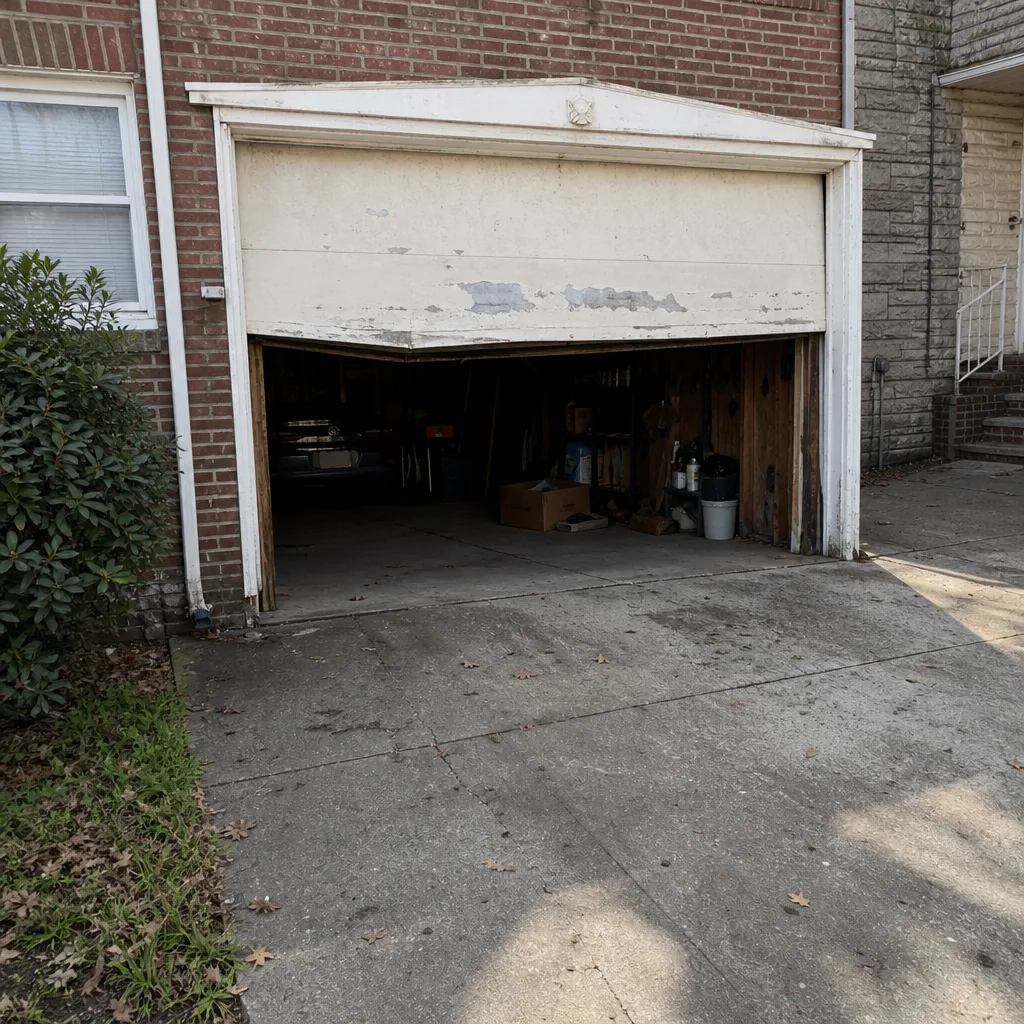 Before
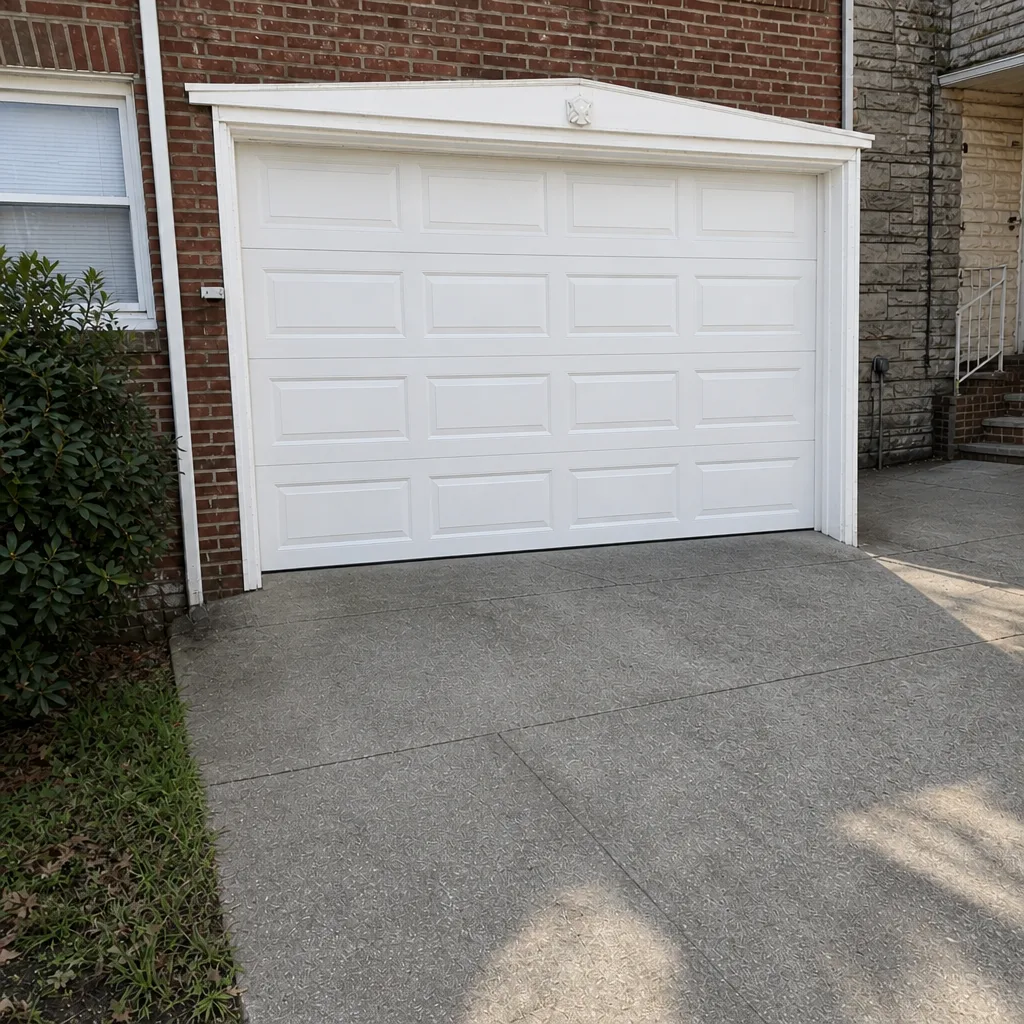 After
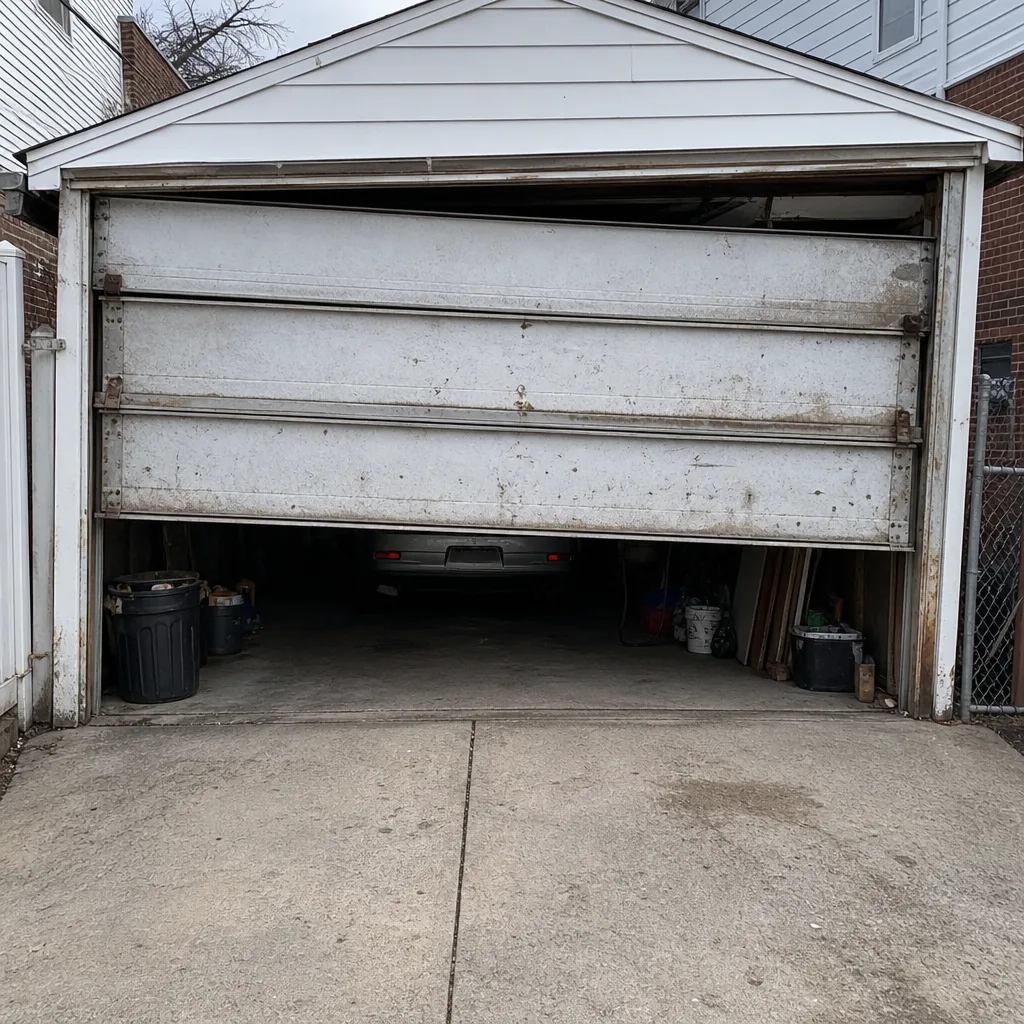 Before
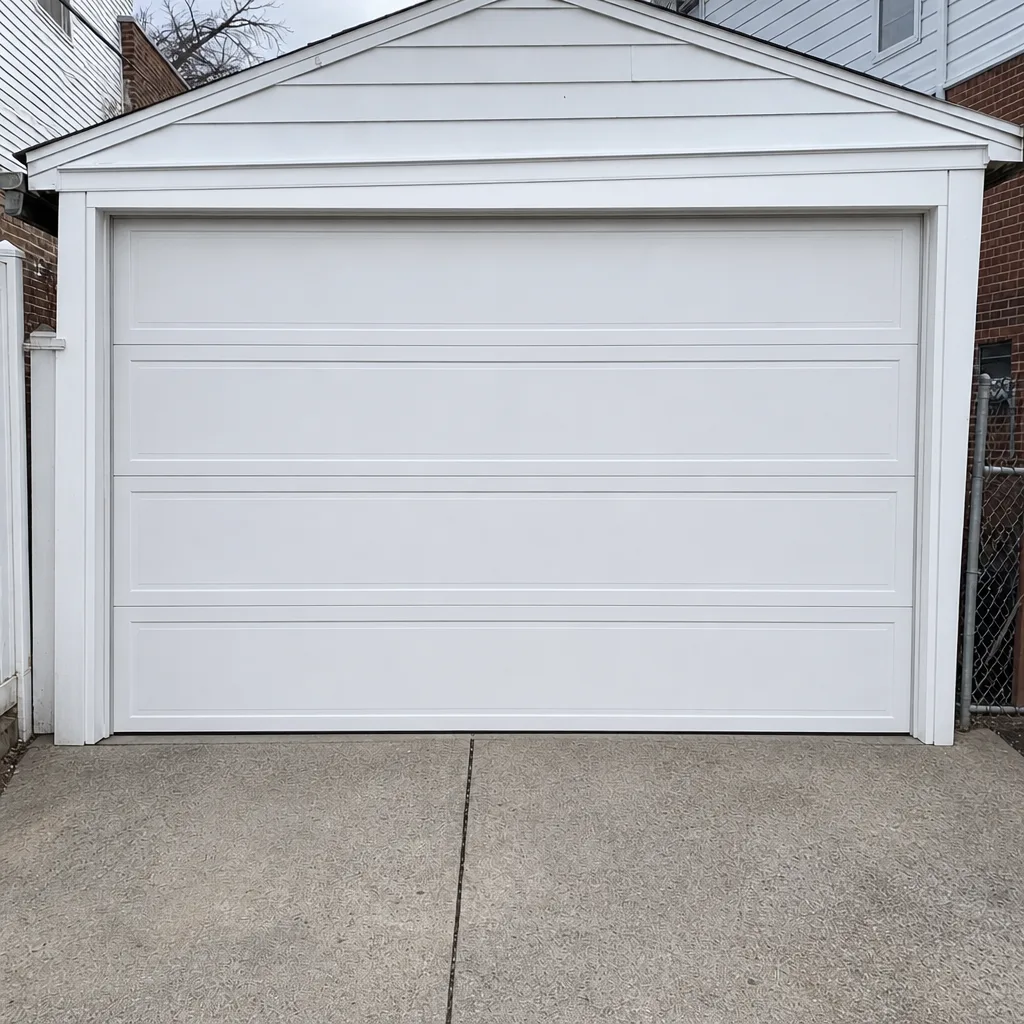 After
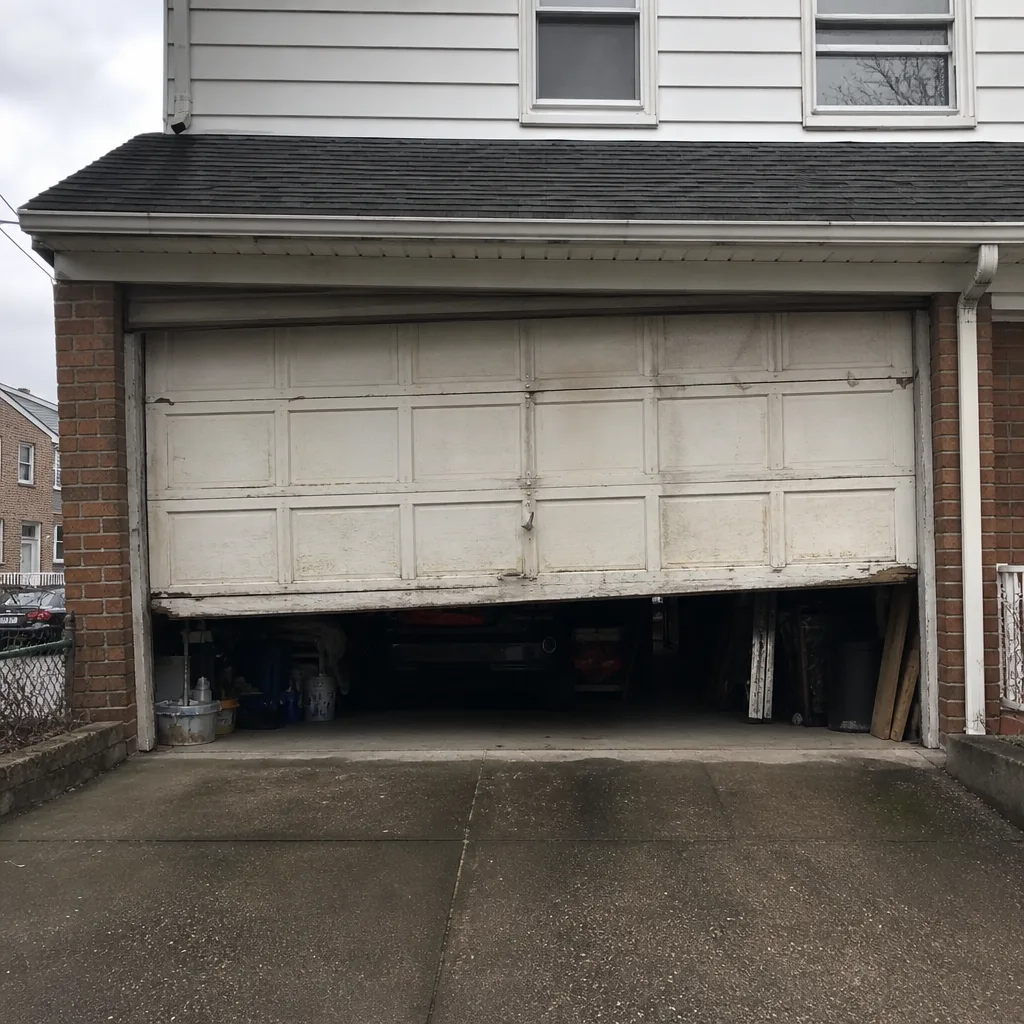 Before
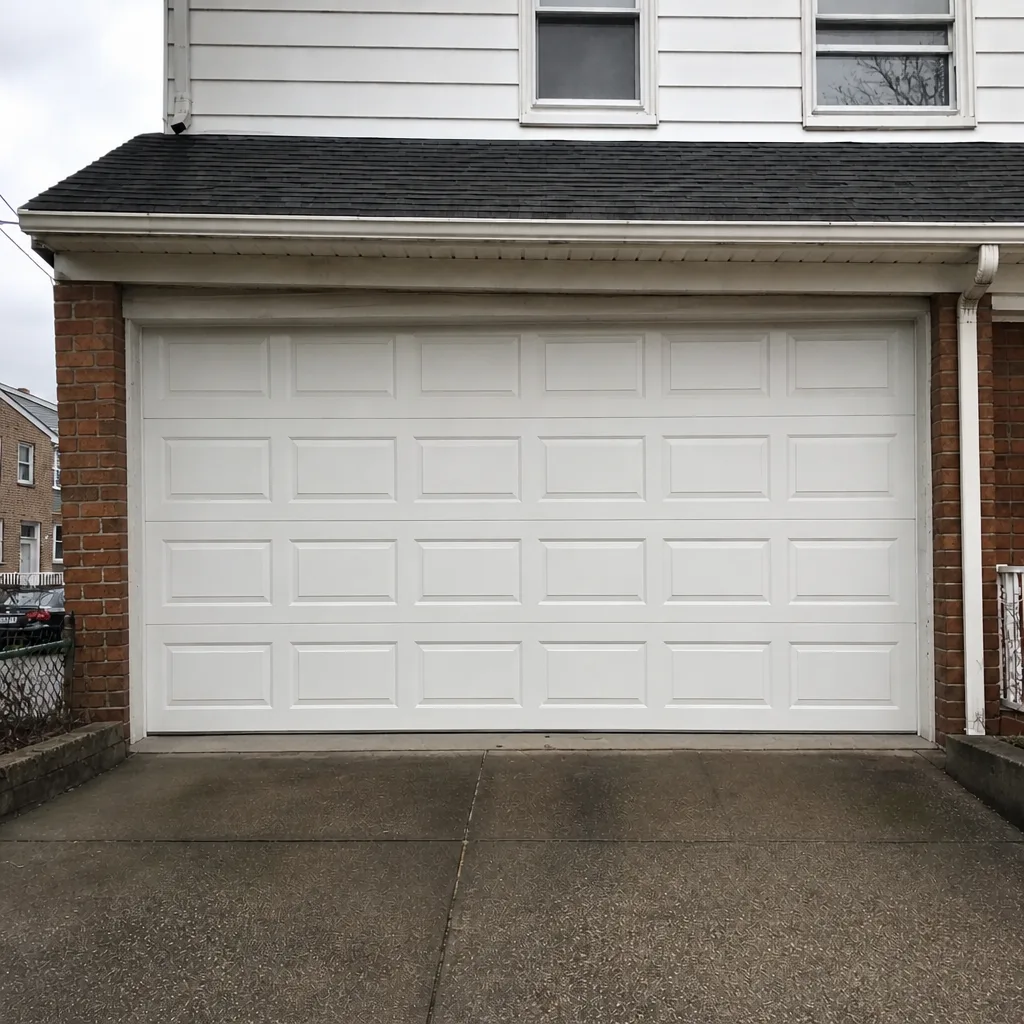 After
When to Call a Professional
Call us when the permit question is answered but the door still isn’t working. If the door won’t close, the spring is broken, the opener has stopped responding, or the door is stuck open and the house isn’t locked, those are repair calls that don’t need a permit to be worth making today. Call a filing professional or the DOB when the scope changes. Call a licensed electrician when a new opener needs a circuit. And call us when you want a free measure and a written estimate on a new door. Garage Door Repair Borough Park offers free estimates in Borough Park, and the price is quoted and agreed before any work starts. Call (888) 784-3292. We answer 24/7. Fast dispatch from 7am to 7pm, Sunday through Friday. We’re closed on Saturday.
Frequently Asked Questions
Usually not, if the replacement goes into the same opening at the same size and the door type stays the same. That’s generally ordinary maintenance under NYC rules. If the opening changes, an opener is added to a manual door in certain building types, or the door is part of a larger renovation, confirm with the NYC Department of Buildings before you order. Call (888) 784-3292 for a free estimate on the door work once the scope is settled.
Yes, in many cases. The energy code sets minimum thermal performance for the building envelope, and a garage door on an attached or heated structure is part of that envelope. The requirement depends on your building type and scope, so confirm with the DOB or a filing professional, and check the door’s spec sheet against the requirement. We’ll bring the manufacturer’s rating with the estimate. Call (888) 784-3292 and estimates are free.
Search the address in NYC’s online DOB building records for permit history and violations, then compare the Certificate of Occupancy and the filed permits to what’s actually in the garage. A manual door on file with an opener on the ceiling is a flag worth resolving. Do this during the inspection period on a purchase and before listing on a sale. For the door repair side, call (888) 784-3292 and estimates are free.
No. Permits and filings are handled by a licensed filing professional or the property owner, not by the garage door contractor. We can make sure the door work is documented with an invoice and a spec sheet and can tell you what scope usually triggers a filing in our experience, but the code answer comes from the DOB. Call (888) 784-3292 for a free written estimate on the door itself.
The wall and any door between the garage and the living space are part of the building’s fire separation, and the requirements depend on the building type and the code year. We don’t guess at door ratings. Ask the DOB or your filing professional what applies to your address, and make sure any repair work restores the assembly before the job is signed off. For the door repair itself, call (888) 784-3292 and estimates are free.
Yes, same-day repair is available for doors that are stuck, broken, or leaving a home insecure. Call (888) 784-3292. We answer 24/7, and fast dispatch runs from 7am to 7pm, Sunday through Friday; we’re closed on Saturday. A call outside dispatch hours is booked into the next opening, Sunday through Friday, 7am to 7pm. For a new door or opener install, we measure and schedule the work and send a written estimate first. The price is quoted and agreed before any work starts.
The Bottom Line
The permit question in Borough Park comes down to scope, not the word “repair.” A same-size door replacement in an existing opening is usually ordinary maintenance. A new opening, an opener added to a manual door in certain building types, or a door tied into a renovation needs the DOB’s answer before you order. Check the property records first, confirm the energy code and fire separation requirements with a professional, and keep the paperwork. The door work itself is our trade, and the paperwork that comes with it is a written estimate you can file. Call (888) 784-3292 for a free estimate. We answer 24/7. Fast dispatch from 7am to 7pm, Sunday through Friday.
Written by the team at Garage Door Repair Borough Park.