
Last updated November 21, 2026
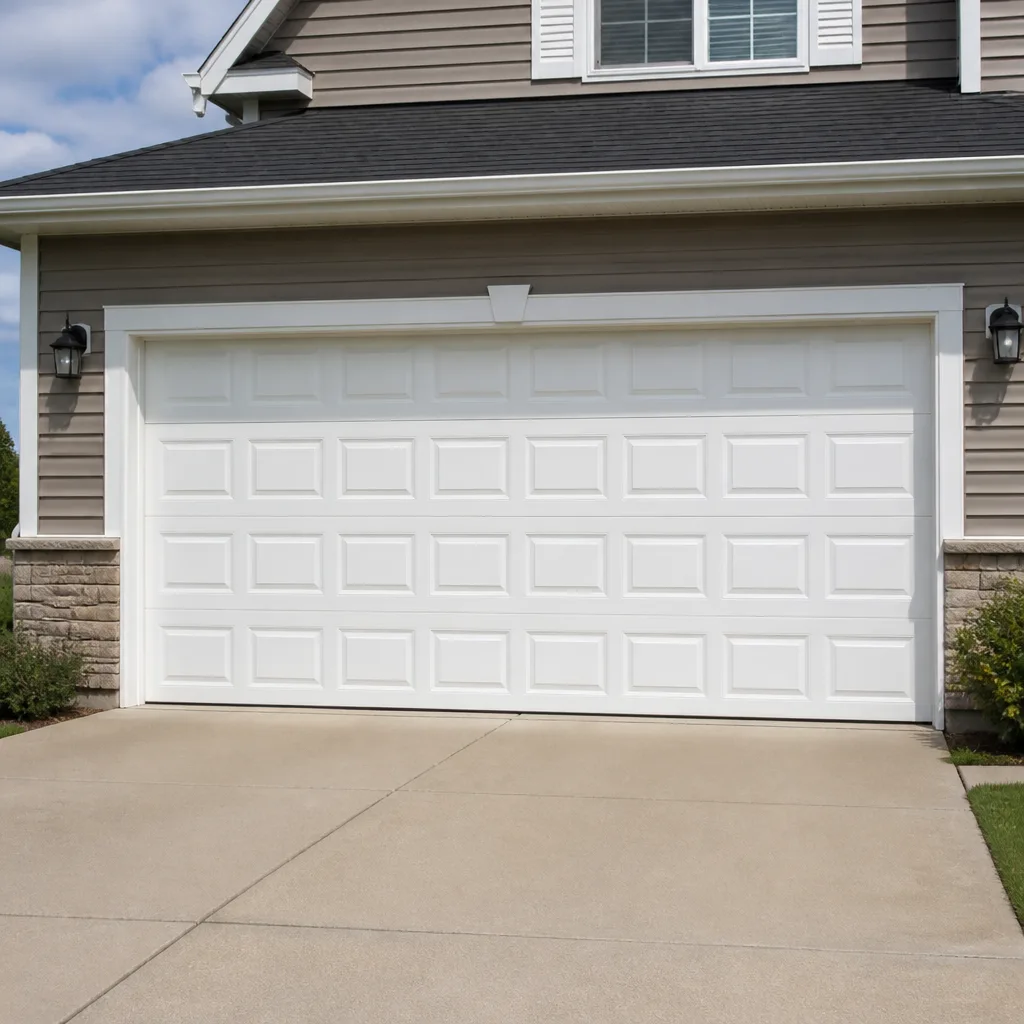 Raised-panel steel
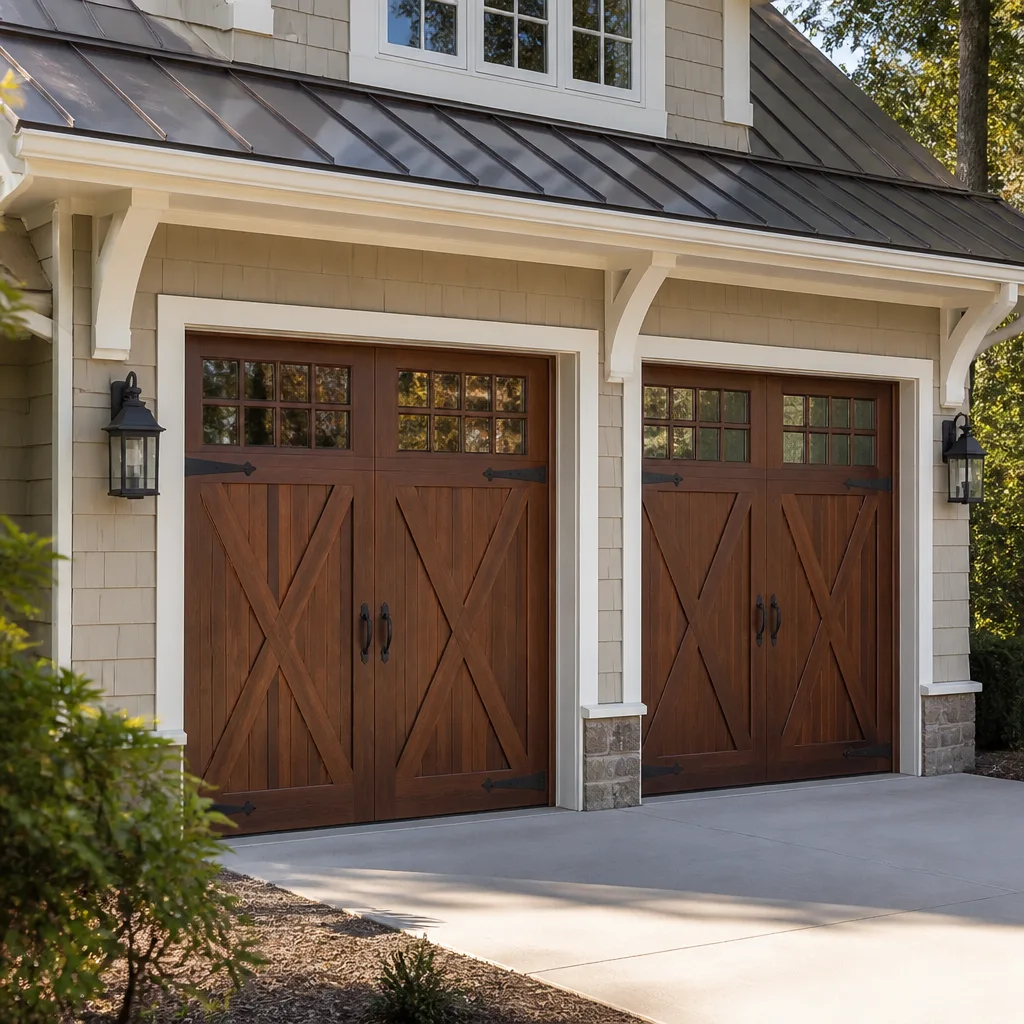 Carriage house
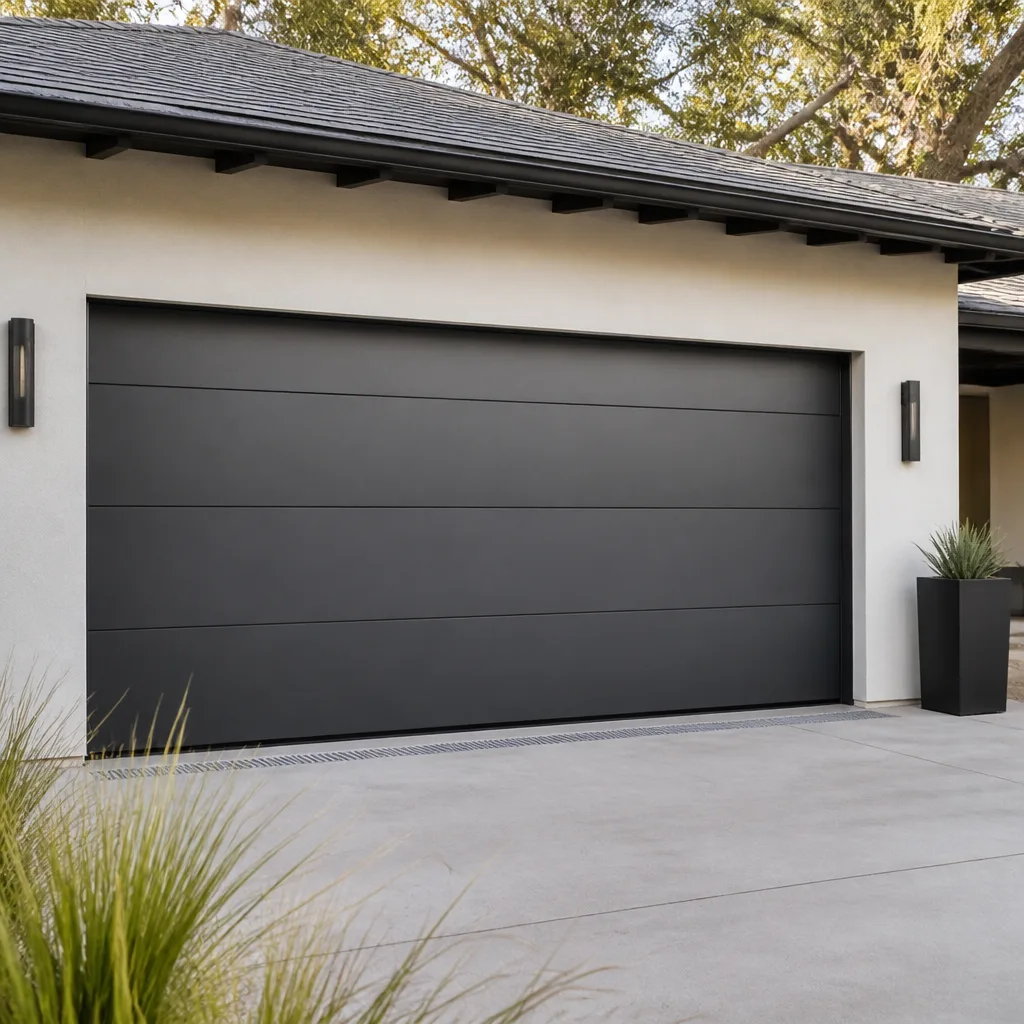 Modern flush
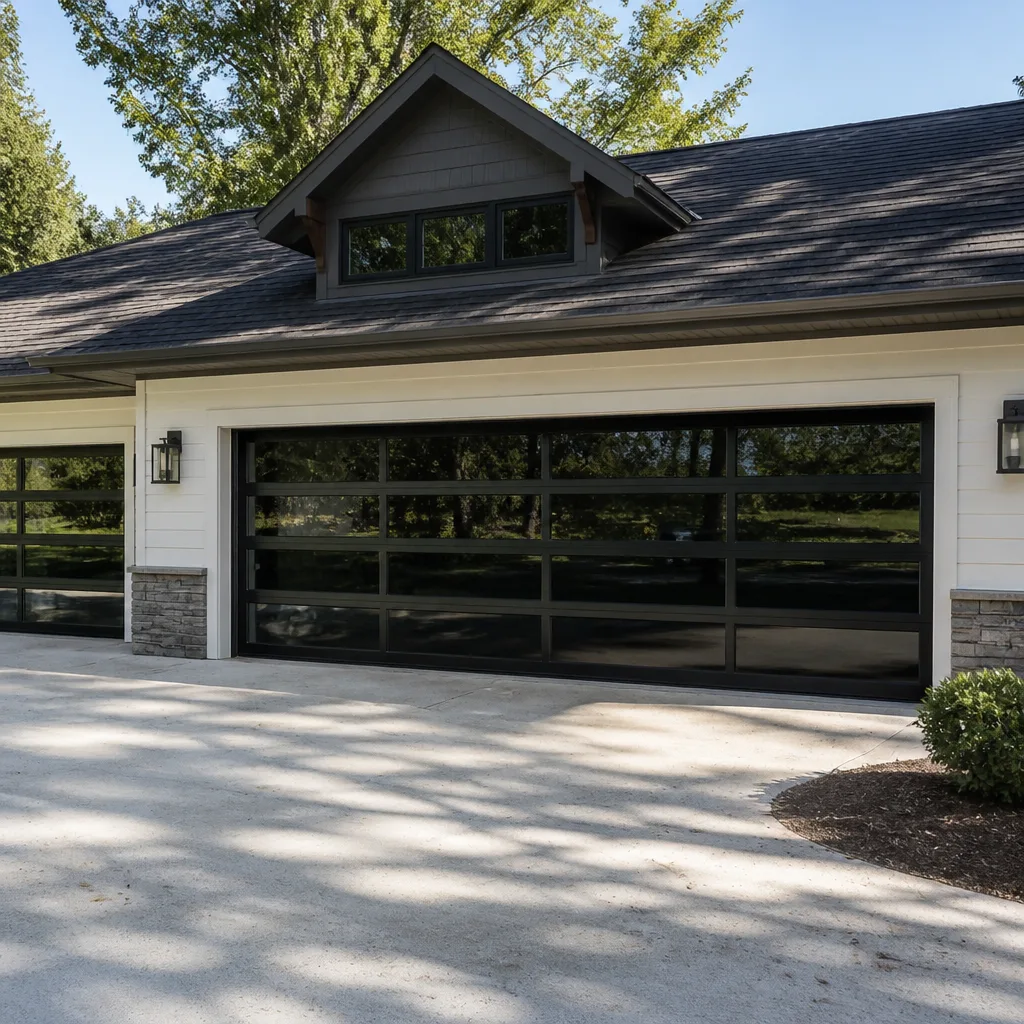 Full-view glass
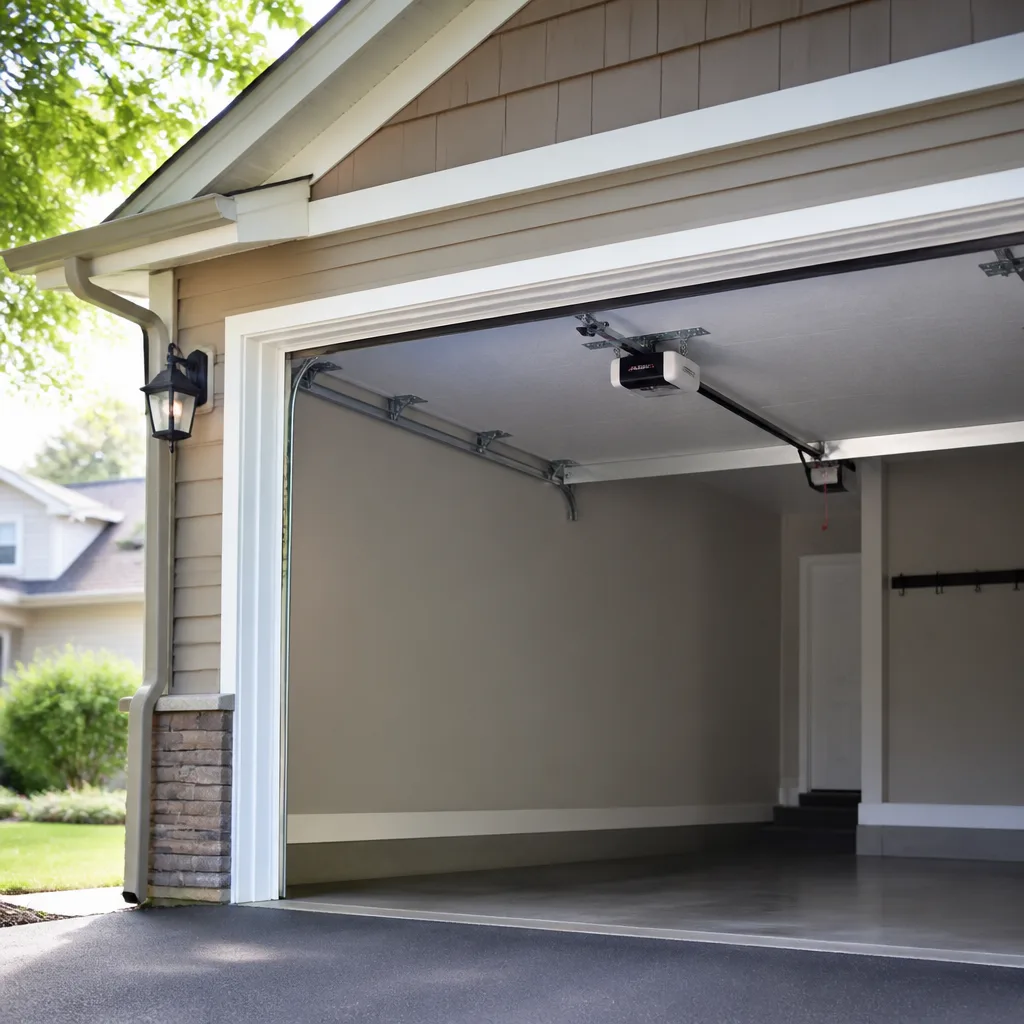 LiftMaster openers
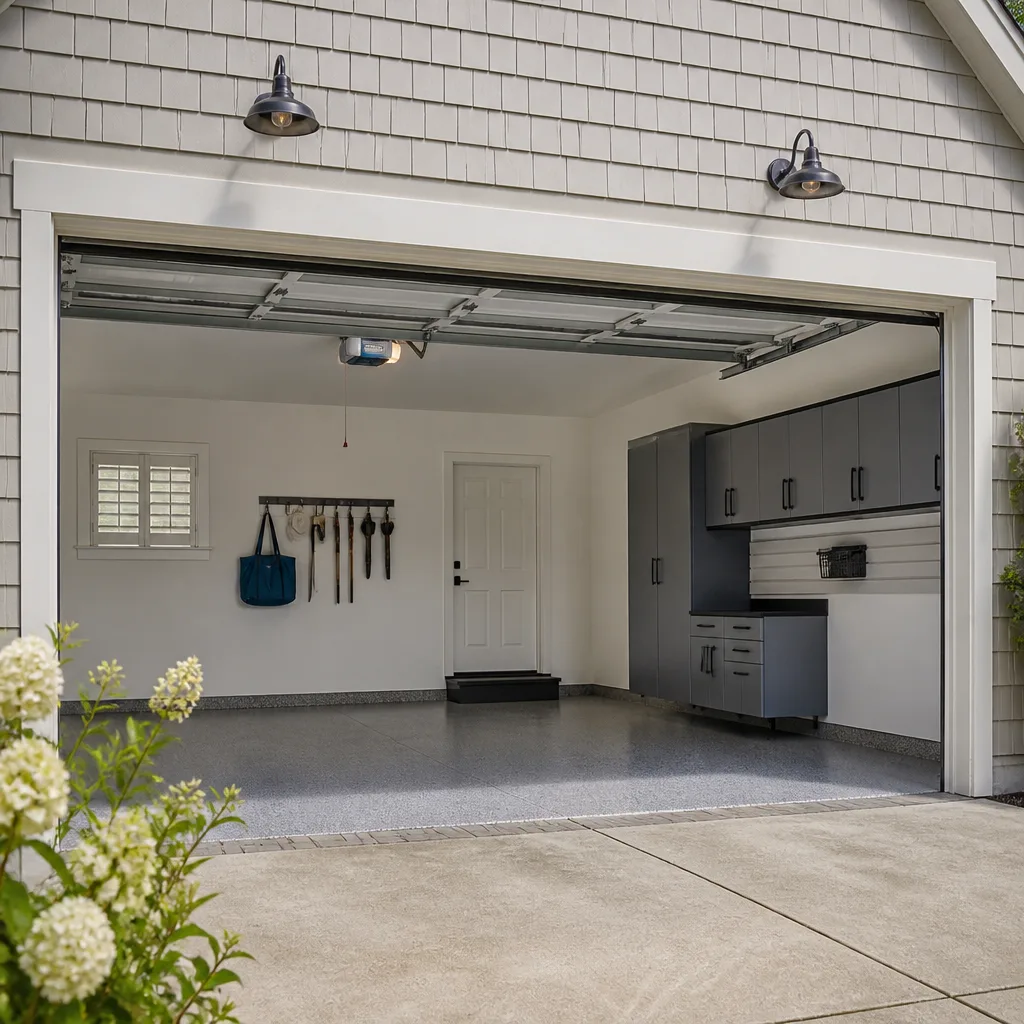 Chamberlain openers
Full 25-point door and opener safety check with every visit - springs, cables, rollers, tracks, and your LiftMaster or Chamberlain opener included
You get a price before we start. It does not change when the pro arrives.
Get your free estimateSeasonal Garage Door Care for Borough Park: Year-Round Homeowner’s Guide
More garage doors around Borough Park fail during the first hard cold snap of November than in any other week of the year – and it’s rarely the cold that breaks them. It’s what sat through summer: grease that thinned and ran off the springs, weatherseal that dried and cracked in the heat, and a door that quietly drifted out of adjustment for months before the temperature dropped and made the problem obvious. A garage door doesn’t fail at random. It fails on a schedule, and the schedule is seasonal. This guide walks through what to do in each season in Borough Park, from the fall prep that heads off the November spike to the summer checks that catch heat warping before it binds the track.
Quick Answer
Garage doors in Borough Park fail predictably at seasonal transition points, so the goal is to prep the door before each one hits. Fall lubrication and weatherseal checks prevent most cold-weather failures, winter cleanup protects tracks and hardware from road salt, spring is the right time to inspect cables and the bottom seal, and summer checks catch heat warping on steel doors. A short task card, posted in the garage, keeps the whole cycle on track.
Styles & brands we work with
- Raised-panel steel
- Carriage house
- Modern flush
- Full-view glass
- LiftMaster openers
- Chamberlain openers
Table of Contents
- Why Do Borough Park Garage Doors Fail at Seasonal Transition Points?
- Fall Prep: The Tasks That Prevent the November Failure Spike
- Winter: Road Salt, Alley-Facing Garages, and Hardware Corrosion
- Spring: The Right Time for Cable Tension and Bottom Seal Checks
- Summer: Heat Expansion, Steel Doors, and Early Warping
- Your One-Page Seasonal Task Card
- What Brand You Have Matters Less Than Matching the Part
- Common Mistakes to Avoid
- When to Call a Professional
- Frequently Asked Questions
Why Do Borough Park Garage Doors Fail at Seasonal Transition Points?
Because the door is a mechanical system tuned to one set of conditions, and Borough Park hands it four different ones a year. Metal contracts in the cold and expands in the heat. Lubricant thickens in January and thins in July. Rubber seals harden, crack, then soften and stick. Every one of those changes shifts the load on the springs, the alignment of the tracks, and the effort the opener has to put in. None of it happens gradually enough to notice day to day. It happens at the transition. Then one morning the door doesn’t open.
The specific pattern we see across Borough Park comes down to a few recurring mechanisms:
- Cold contraction and spring load. When temperatures drop, the door and the springs behave differently than they did in the fall, and the balance point shifts. A spring that was already fatigued has less margin to absorb the change.
- Summer lubricant loss. Heat thins grease, and thin grease migrates off the moving surfaces. By October the springs and rollers are running drier than they should be.
- Moisture and salt cycling. Winter road salt gets tracked in, moisture comes with it, and spring thaw leaves hardware cycling wet and dry repeatedly.
- Seal degradation. Weatherstripping and the bottom seal take the brunt of every season change, and they fail quietly until you notice daylight, a draft, or water coming in.
The houses here make this more pronounced than in newer construction. The mix of older frame homes, brick row houses, and detached garages off rear alleys means many doors face different exposures than a suburban front-loading garage would. A door on the shaded side of an alley sees less sun on the seal, stays damp longer, and behaves differently than one that gets full afternoon light. Wind funnels down some of the east-west blocks hard enough to work a loose panel or rattle hardware that a sheltered door never touches. Seasonal care in Borough Park is really about matching the maintenance to the exposure your door actually has.
Fall Prep: The Tasks That Prevent the November Failure Spike
The single most useful thing you can do for a Borough Park garage door is a fall prep in late September or early October, before the first real cold. This is the maintenance window that decides whether November is quiet or expensive. In our experience, a door that got proper fall attention almost never delivers a surprise on the first freezing morning – and a door that skipped it very often does.
Here’s the sequence, in the order it matters:
- Lubricate the springs and moving parts. A garage-door-specific lubricant on the torsion or extension springs, the hinges, and the roller bearings. Not general-purpose grease, not cooking spray, not WD-40 as a lubricant. The goal is a coating that stays put as temperatures fall, so the spring doesn’t bind and chatter on the first cold morning.
- Inspect the weatherseal around the frame and the bottom seal. Run a hand along the perimeter and look for cracks, flat spots, and gaps. A seal that’s dried out from summer will let cold air and, more importantly, moisture in once the wet weather arrives.
- Check the limit and force settings on the opener. As the door and tracks contract with the cold, the travel distance changes slightly. An opener limit set tight in warm weather can start stopping the door short or reversing it early when the door gets stiff in the cold. The opener’s manual walks you through adjusting the open and close limits – this is a homeowner-safe adjustment on most units.
- Test the safety reverse. Put a small object in the door’s path and confirm it reverses on contact, and test the photo-eye alignment. Cold weather is exactly when you want this working without question.
- Look at the cables and drums. From a safe distance, with the door closed, look for fraying, slack, or a cable that’s jumped the drum. Do not touch them. Note anything off and get it looked at before winter.
- Clear the tracks and tighten what’s loose. Wipe the tracks out, check the bracket bolts and hinge screws, and snug anything that rattles.
If you’d rather have a specialist run the fall checklist once and reset the door for winter, that’s a quick job for us – the same garage door repair visit can catch a tired spring before it becomes a November failure. What you’ll notice after a proper fall tune-up is simple: the door runs quieter, closes flush, and doesn’t complain when the temperature drops.
Winter: Road Salt, Alley-Facing Garages, and Hardware Corrosion
Winter in Borough Park is the season that stresses the door’s hardware the most, and the reason isn’t the cold alone. It’s the salt. Snow removal and de-icing put road salt on the streets, on the sidewalks, on your car, and on your boots, and from there it migrates into the garage. With so many garages here facing rear alleys and shared courts, that salt doesn’t get washed away the way it might on an open driveway. It sits, it draws moisture, and it eats at the same metal your door depends on.
Where to watch for it:
- Steel tracks and hinges. The first place you’ll see salt damage is the lower track and the bottom hinges, closest to the floor where the salt collects. Look for chalky white residue, pitting, and the first spots of rust.
- Bottom brackets and the bottom corner hardware. These sit low and take the splash. If you see corrosion starting, cleaning and a light protective coating help slow it, but avoid touching anything attached to a spring or cable.
- The bottom seal. Salt and grit grind into the rubber every time the door closes. A seal that’s already compromised in fall will be worn through by spring.
- Alley-facing door tracks and frames. Doors on the alley side get the spray and runoff. A quick rinse of the lower tracks and hardware, followed by drying, does real good during the winter months.
A practical Borough Park routine: after a heavy salting cycle, sweep or rinse the garage floor near the door, wipe down the lower tracks, and re-lubricate any moving parts that got wet. Don’t overdo it – the aim is to keep salt from sitting on metal, not to soak the hardware. If you’re seeing rust progressing on the tracks or the hinges, that’s the point to get it checked before it creates a binding problem on a cold morning. Springs and cables are the parts to leave to a technician; cleaning and wiping the tracks and hinges is a job you can safely do yourself.
Spring: The Right Time for Cable Tension and Bottom Seal Checks
Most homeowners assume fall is when you inspect cables and seals. In our experience, spring is the more revealing season – because that’s when winter shows you what it did. The salt, the freeze-thaw cycles, and a whole winter of the door cycling in the cold all leave their marks, and a spring inspection catches what fall couldn’t.
What to look at once the weather breaks:
- Cable condition. With the door closed, check for fraying, kinks, or a cable that’s started to run outside its drum. Cables under tension are dangerous to handle, so treat a suspicious cable as a call-a-professional finding rather than a DIY fix.
- Cable tension balance. A door that opens crooked or that hangs slightly to one side is often showing uneven cable tension. This is a technician adjustment.
- Bottom seal integrity. After a winter of salt and grit, the bottom seal is often the most worn component on the door. Look for tears, missing chunks, and sections that no longer make contact with the floor. A failed bottom seal lets water and debris in and makes the garage harder to keep dry and pest-free.
- Alignment of the door in the opening. Close the door and look along the gap at each side. A door that’s no longer meeting the frame evenly is telling you something shifted over the winter.
- The springs themselves. Visually check for gaps in the coils, a spring that looks stretched, or one that’s clearly sagging. A spring is a safety-critical part – don’t try to measure, adjust, or unwind it yourself. If something looks wrong, get it inspected.
Spring is also a sensible time to think ahead. If the door got through winter but the spring is clearly near the end of its life, replacing it in mild weather beats waiting for it to fail on a freezing morning. That’s the difference between a scheduled job and an emergency one. Our technicians have up to 8 years of experience and handle springs as a specialty, which is the one part of the door we’d never advise a homeowner to take on personally. If a cable, seal, or spring needs attention, call for a free estimate and we’ll quote it before any work starts.
Summer: Heat Expansion, Steel Doors, and Early Warping
Summer is the season most people ignore the garage door. That’s a mistake for one reason: heat expansion. A steel door in full sun will expand, and if it’s been slowly developing a bind or a bad hinge, the heat is what makes it visible. The door that “suddenly started scraping” in July has usually been heading that way since spring.
What to watch for as the temperature climbs:
- Warping on steel panels. Look down the face of the door in good light. Panels should sit flat. A panel that’s bowing, bubbling, or showing a wavy surface is a warping problem, and a warped panel that starts contacting the track is the beginning of a binding issue.
- Binding and scraping. If the door scrapes, shudders, or stalls partway through its travel, the track may have shifted or the door may be out of alignment. Left alone, binding wears out the opener faster than anything else.
- Track clearance. Check that there’s consistent clearance between the rollers and the track. If the door is contact-rubbing on one side only, that’s an alignment problem.
- Sun exposure and seal wear. The side of the door that takes the afternoon sun will always have the more dried-out seal and the more faded paint. It’s worth an early look so you can replace that seal before fall.
Summer is also the best time to look at the opener. When the door is running hot and often, the opener is under more load. If it’s straining, reversing unexpectedly, or just running loud, that’s a check worth doing now – a worn opener is easier to repair in July than to replace in December. If you have a LiftMaster or Chamberlain unit that’s behaving oddly in the heat, garage door opener repair can usually sort it out faster than a full replacement. The key is not to wait for the door to fail. Look at it in the heat, fix what’s binding, and you’ll sail through the cold.
Your One-Page Seasonal Task Card
The best way to actually stick to seasonal care is a card you can post in the garage and check off. Print this, tape it inside the door frame where you’ll see it, and run through the list as each season turns.
FALL (late September to early October)
- Lubricate springs, hinges, and roller bearings with garage-door lubricant.
- Inspect weatherseal and bottom seal for cracking or gaps.
- Check opener open and close limits and reset for cold contraction.
- Test the safety reverse and photo-eye alignment.
- From a safe distance, check cables and drums for fraying or slack.
- Clear tracks, tighten loose brackets and hinge screws.
WINTER (monthly)
- Sweep or rinse the garage floor near the door after salting cycles.
- Wipe the lower tracks and bottom hinges to remove salt residue.
- Re-lubricate moving parts that got wet.
- Look for rust spots and note any that grow.
- Listen for new noises on cold mornings.
SPRING (March to April)
- Inspect cables for fraying, kinks, or off-drum travel (do not touch).
- Check for uneven tension – a door that hangs crooked.
- Replace a torn or missing bottom seal.
- Look at the springs for gaps or sagging.
- Check door-to-frame alignment with the door closed.
SUMMER (June to August)
- Look down the door face for panel warping.
- Check for scraping, binding, or stalling in travel.
- Confirm track clearance on both sides.
- Inspect the seal on the sun-facing side for drying.
- Note any opener strain, unexpected reversing, or loud running.
Add a note at the bottom for anything your own eyes tell you is off. Nine times out of ten, a problem caught on the task card is a small job. The tenth time is the November failure that could have been a fall tune-up. Call us before that tenth time. Nowhere on this card should you touch a spring, cable, or bracket under tension – those are professional jobs, always.
What Brand You Have Matters Less Than Matching the Part
Borough Park is full of doors and openers from every major manufacturer, and one of the things that trips homeowners up is assuming the brand on the front panel dictates the maintenance. It doesn’t. The maintenance is the maintenance, whatever door you have. What the brand does change is the part that has to go back on when something wears out.
This is where factory-trained knowledge of the major brands pays off. We work on LiftMaster, Chamberlain, Genie, Clopay, Amarr, Wayne Dalton, Craftsman, and Raynor equipment – so when a Chamberlain opener needs a specific travel module, or a Raynor door needs a replacement section that matches its profile, or a Craftsman system has a known quirk in its limit adjustment, we’re not learning it on the spot. The right part goes on the right door, first time.
Why this matters for seasonal care specifically:
- Seal and weatherstrip parts aren’t universal. A bottom seal that looks close enough can leave gaps that defeat the whole point, especially with the wind and moisture a Borough Park alley garage sees.
- Opener adjustments differ by brand and model. The limit and force procedures on a Genie aren’t the same as on a LiftMaster, and the manual is the reference for both.
- Spring sizes are matched to the door, not the brand. A spring replacement that isn’t matched to the door’s weight and cycles is a spring replacement waiting to fail again.
If you’re not sure what’s on your door or opener, that’s a fine reason to have it looked at. We’ll identify what you’ve got and tell you what it needs, and you’ll know exactly which parts are coming. If the door itself is nearing the end of its life and the seasonal repairs are piling up, garage door installation is where we’d look instead of patching the same problems every year. A new door is a scheduled, measured job – we quote it in writing and order the right system for the opening. Every season of the year, whether you’re calling us for a tune-up or a new door, the goal is the same: the door you have, serviced correctly.
See the difference
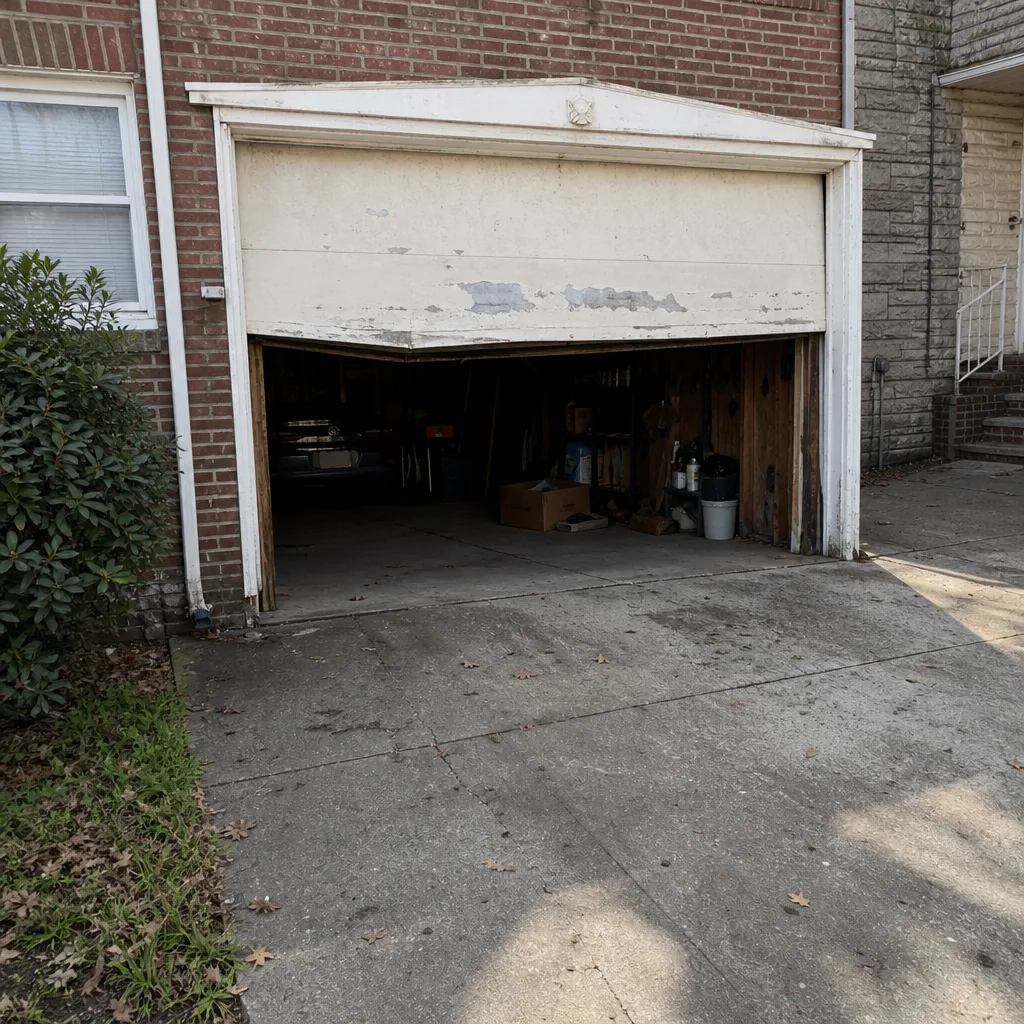 Before
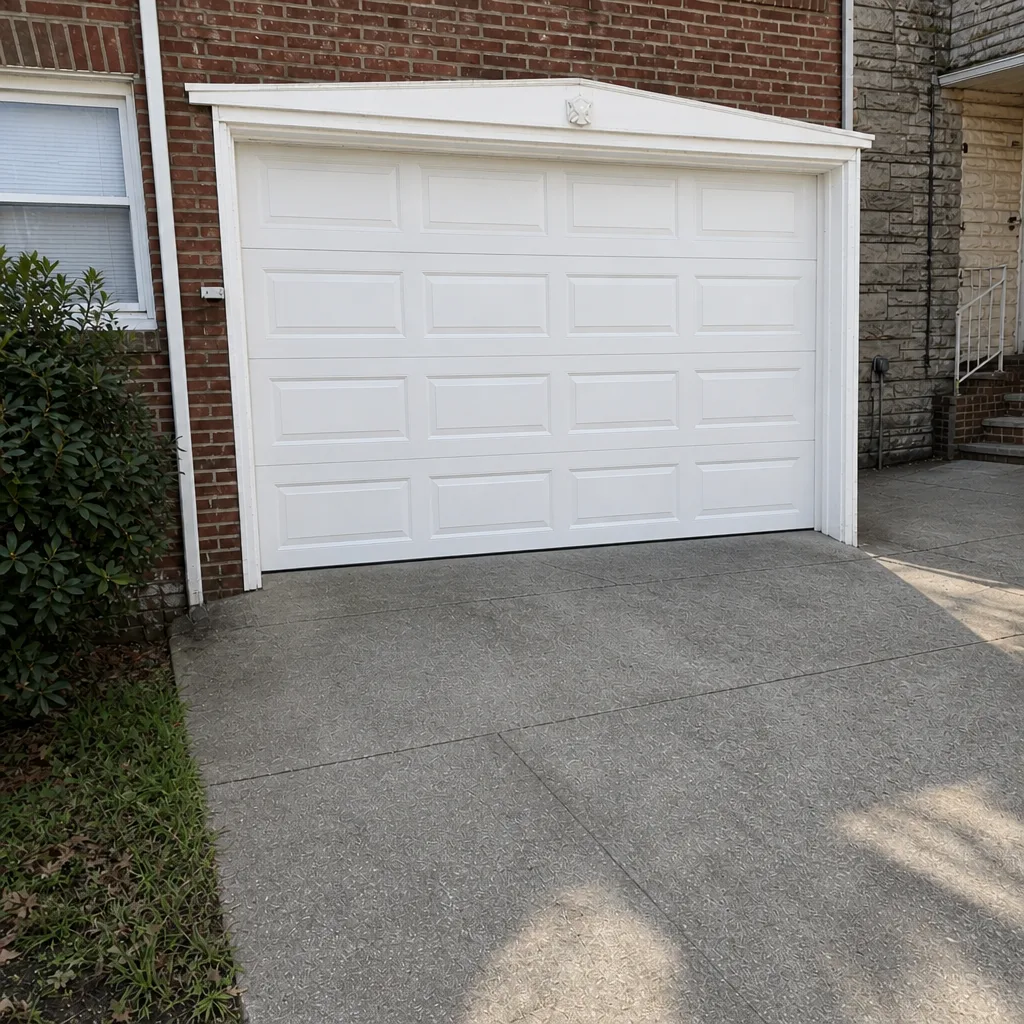 After
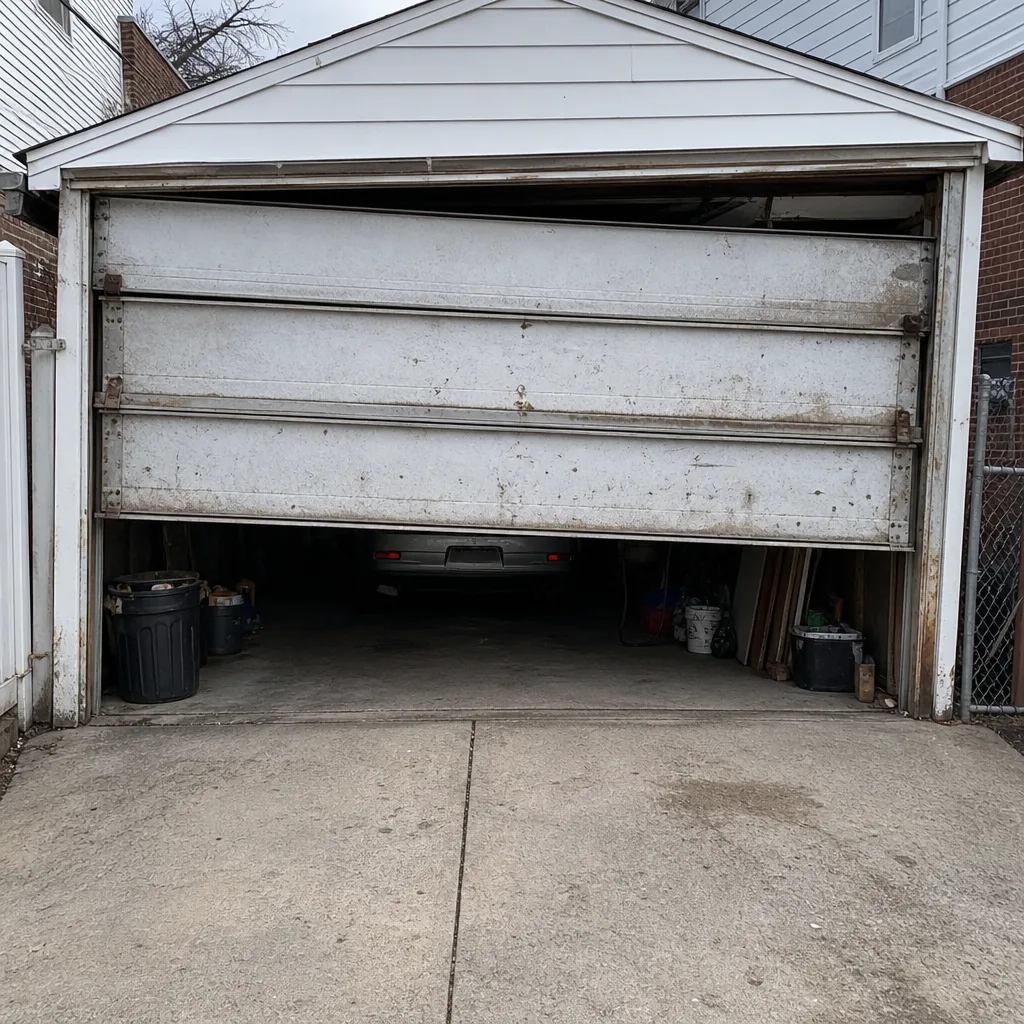 Before
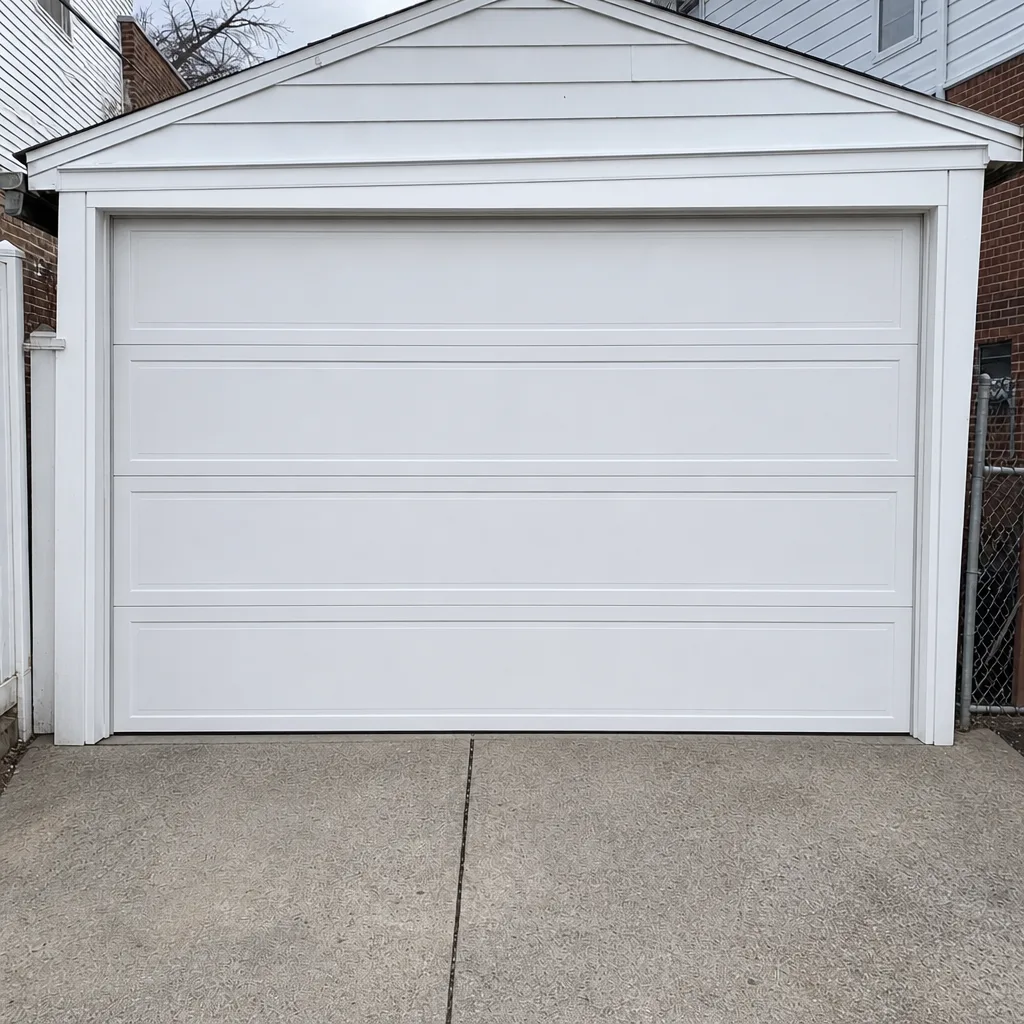 After
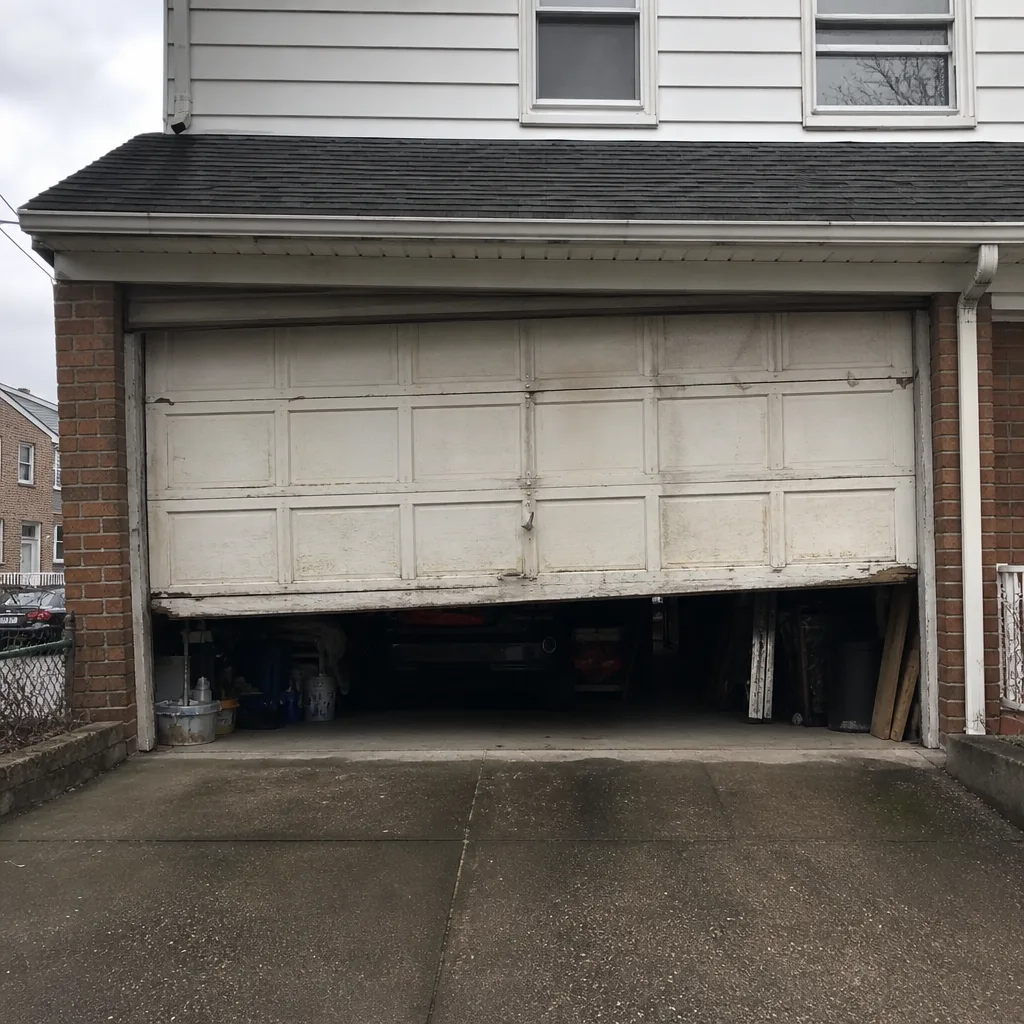 Before
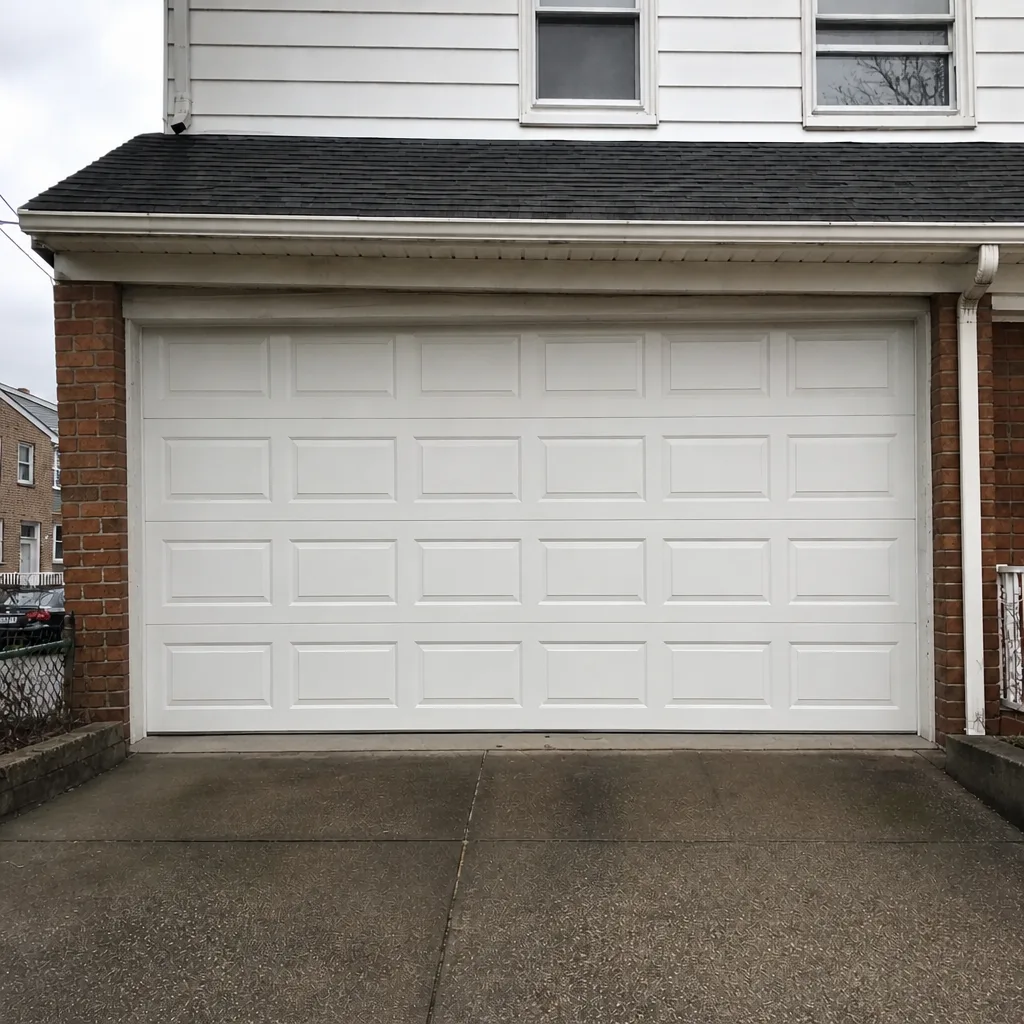 After
Common Mistakes to Avoid
- Using the wrong lubricant. Cooking spray, WD-40 as a lubricant, and general-purpose grease all gum up or run off in the wrong temperatures. In Borough Park’s cold winters this alone causes binding on the first freezing morning. Use a purpose-made garage door lubricant and nothing else.
- Ignoring the fall tune-up because the door “seems fine.” A door that feels fine in October can be a door that fails in November. The fall check isn’t for a broken door – it’s for the one about to break.
- Touching the springs or cables yourself. These are under heavy tension and can cause serious injury. No homeowner should attempt to adjust, unwind, or replace a spring or cable, regardless of what a video shows.
- Letting salt sit all winter. In a Borough Park alley garage, the salt that gets tracked in has nowhere to wash away. Skipping the monthly wipe-down is the single largest contributing factor to rusted tracks and seized hinges here.
- Inspecting cables in fall instead of spring. The winter is what damages them. Spring inspection catches what fall couldn’t, and doing it out of season misses the point.
- Oil-based products on the tracks. Tracks should be clean and dry. Oil attracts grit, and grit in a track is a binding door waiting to happen.
- Waiting for the opener to “definitely break” before checking it. A strain, a loud run, an unexpected reverse – these are warnings. By the time it fails, you’re paying for a repair that a check would have caught.
When to Call a Professional
Call a professional for anything involving a spring, a cable, a drum, or a roller bracket that’s under tension, and call whenever a door doesn’t run smoothly, evenly, or quietly through its full travel. Call immediately for a broken spring, a door that’s off its tracks, a cable that’s snapped or slack, or a door that’s stuck open with the house unsecured. Call for a full seasonal tune-up if you’d rather not do the checklists yourself, and call in spring if the winter left you with a worn bottom seal, a rusty track, or a door that no longer aligns cleanly.
We work on the door you already have and know the major brands, so nothing gets figured out on your doorstep. Garage Door Repair Borough Park offers free estimates in Borough Park – call (888) 784-3292. We answer 24/7. Fast dispatch from 7am to 7pm, Sunday through Friday. The written estimate sets the price, and it’s agreed before any work starts.
Frequently Asked Questions
Late September to early October is the best single time to service a garage door here, because the fall tune-up is what prevents the November failure spike. A second, shorter check in spring catches what winter did to the cables and bottom seal. If you can only do one, do the fall one.
Tune-up pricing depends on the door and how much adjustment it needs, which is why we quote per job rather than quoting a flat rate. Call (888) 784-3292 for a free estimate – it’s quoted and agreed before any work starts, and it won’t change once we see the door.
Because of what happened in the months before, not the cold itself. Summer heat thins lubricant and dries out the seals, and by the time temperatures drop the springs and hinges are running dry and out of adjustment. The cold is just what reveals it. A proper fall prep is what prevents that first-morning failure.
Yes – salt tracked in from streets and sidewalks settles on the lower tracks, hinges, and brackets, draws moisture, and starts corrosion faster than anywhere else on the door. In alley-facing garages the salt has nowhere to drain and sits against the hardware. A monthly wipe-down of the lower tracks and hardware is worth doing all winter.
You can look at them from a safe distance with the door closed, but you should never touch, adjust, or remove a spring or cable. They’re under heavy tension and carry real injury risk, and this is a job for a trained professional – always. If something looks wrong, stop and call.
Most of the card is homeowner-safe – lubricant, weatherseal checks, tightening brackets, cleaning tracks, and testing the safety reverse. Anything involving a spring, cable, drum, or bracket under tension is a technician job. If you’d rather skip the guesswork, we’ll run the whole card once for you with a free estimate.
It might be, and heat is usually when it shows. Look down the face of the door in good light – panels should sit flat. A bowing or bubbling panel that starts contacting the track is a real binding problem, not just a cosmetic one, and should be looked at before it wears out the opener.
The Bottom Line
A Borough Park garage door doesn’t fail randomly – it fails when the season turns, and the failures are predictable enough to prevent. The four windows are fall prep (lubricate, seal check, limit adjustment), winter protection (keep road salt off the lower hardware), spring inspection (cables, tension, bottom seal), and a summer warping and binding check on the door and opener. The one-page task card puts all four in reach, and most of it is homeowner-safe. What you leave to a professional is the springs, cables, and anything under tension. Catch each season’s transition with the right task, and you’ll spend the year opening a door that works instead of chasing one that keeps failing. Call (888) 784-3292 for a free estimate on seasonal maintenance, garage door repair in Borough Park, or a full replacement when the time comes. We answer 24/7. Fast dispatch from 7am to 7pm, Sunday through Friday.
Written by the team at Garage Door Repair Borough Park.